


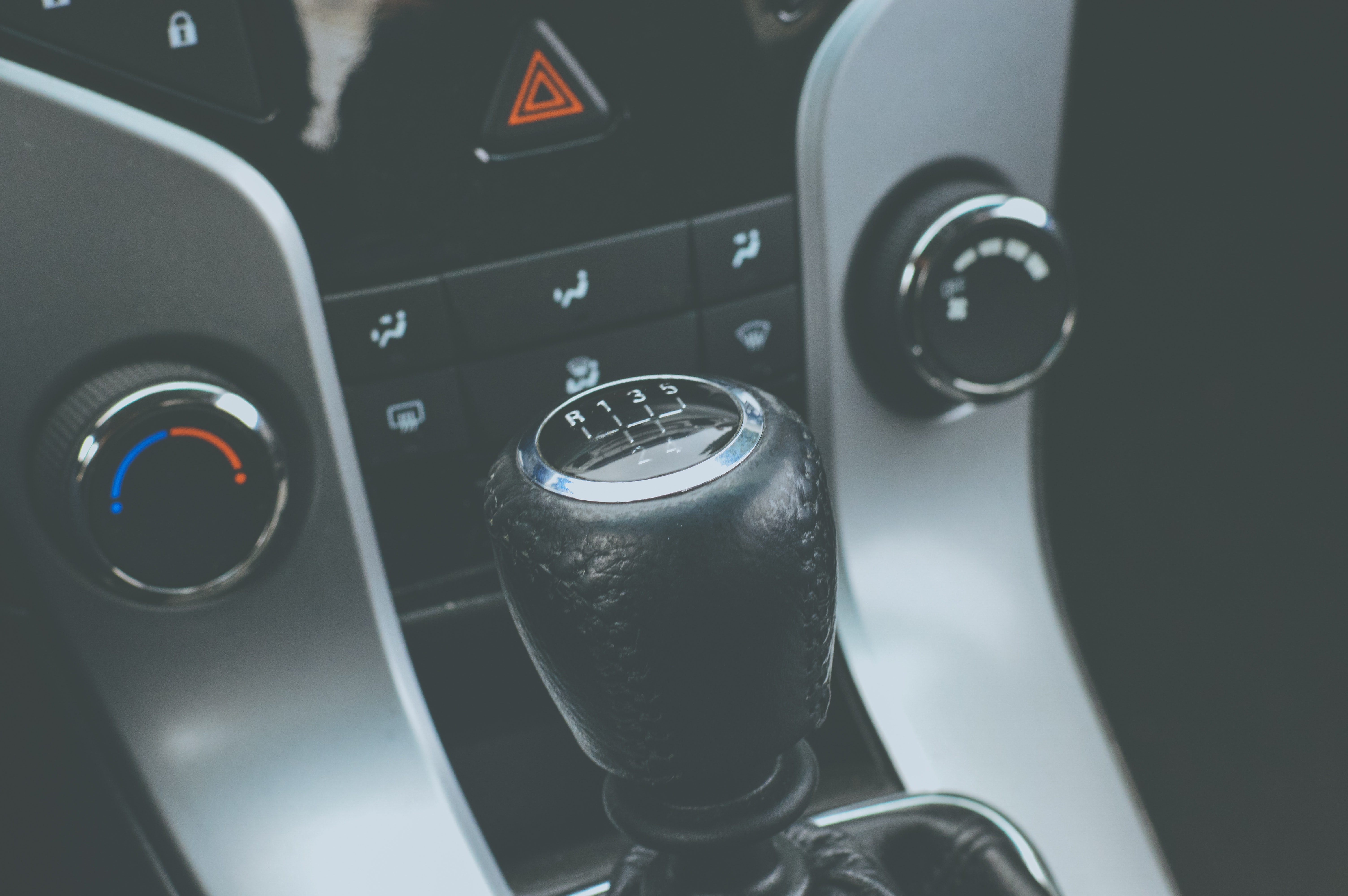
Downshifting is an essential skill for manual transmission drivers, allowing them to effectively control their vehicles and navigate Brisbane's diverse road conditions. Mastering the art of downshifting requires practice, proper technique, and guidance from a reputable driving school. In this blog, we will explore the techniques for downshifting and discuss the role of a driving school in helping drivers develop this skill.
The Importance of Downshifting
Downshifting involves shifting to a lower gear before slowing down or approaching a corner. This technique has several benefits, including:
- Engine Braking: Downshifting allows the engine's compression to slow down the vehicle, reducing the reliance on brakes. This helps preserve the brake pads and prevents brake overheating during prolonged downhill descents.
- Improved Control: Downshifting provides better control over the vehicle's speed and traction, especially when driving on slippery or uneven surfaces. By downshifting, drivers can maintain a lower gear ratio, allowing for more responsive acceleration when needed.
- Smooth Transitions: Downshifting ensures smooth transitions between gears, minimizing jerks and maintaining a steady flow of power to the wheels. This is particularly important when approaching corners or overtaking other vehicles.
Techniques for Downshifting
To downshift effectively, drivers should follow these techniques:
- Rev-Matching: Rev-matching is a critical technique in downshifting. It involves matching the engine speed (revs) to the gear and vehicle speed during the downshift. To rev-match, the driver must briefly blip the throttle while pressing the clutch pedal to disengage the current gear. This action synchronizes the engine speed with the lower gear, resulting in a smooth transition.
- Sequential Gear Shifting: Downshifting should be done sequentially, moving down one gear at a time. For example, if the vehicle is in fifth gear, the driver should shift to fourth, then third, and so on. Sequential downshifting ensures a gradual reduction in speed and prevents engine strain.
- Clutch Control: Proper clutch control is essential for downshifting. The driver must fully depress the clutch pedal while shifting gears and gradually release it as the new gear engages. Smooth clutch control ensures seamless gear changes and prevents clutch wear.
The Role of a Driving School
A reputable driving school plays a vital role in helping drivers learn and master the art of downshifting. Here's how a driving school can assist:
- Experienced Instructors: Driving schools in Brisbane employ experienced driving instructors who are well-versed in manual transmission techniques. These instructors provide expert guidance, teaching learners the proper downshifting techniques and helping them develop the necessary skills.
- Structured Lessons: Driving schools offer structured lessons that cover all aspects of manual transmission driving, including downshifting. Learners receive step-by-step instruction, allowing them to practice downshifting in different scenarios and gain confidence in their abilities.
- Practice Opportunities: Driving schools provide ample practice opportunities, both in controlled environments and on the road. Learners can hone their downshifting skills under the supervision of instructors, who provide constructive feedback and guidance for improvement.
- Road Knowledge: Driving schools familiarize learners with Brisbane's local roads and their specific characteristics. Instructors teach learners when and where downshifting is necessary based on road conditions, traffic patterns, and speed limits.
Frequently Asked Questions (FAQs)
Q1. Is downshifting necessary when coming to a stop?
A: Downshifting is not necessary when coming to a complete stop. You can simply engage the clutch and use the brakes to slow down the vehicle smoothly.
Q2. How do I know which gear to downshift to?
A: The appropriate gear for downshifting depends on factors such as vehicle speed, road conditions, and the desired acceleration. A driving instructor can guide you on the specific gear selection for different situations.
Q3. Will downshifting wear out the clutch faster?
A: With proper technique and clutch control, downshifting will not significantly wear out the clutch. Reputable driving schools teach learners how to downshift without putting excessive strain on the clutch.
Q4. Can downshifting save fuel?
A: Downshifting can help control the vehicle's speed without relying heavily on the brakes, potentially saving fuel. However, modern vehicles are equipped with fuel-efficient systems that optimize fuel consumption, so the impact of downshifting on fuel economy may be minimal.
Conclusion
Mastering the art of downshifting is a valuable skill for manual transmission drivers in Brisbane. Through proper techniques, practice, and guidance from a driving school, drivers can navigate the city's roads with confidence, control, and a smoother driving experience. Enrol in a reputable driving school, and embrace the art of downshifting to enhance your manual transmission driving skills in Brisbane's diverse driving conditions.


