


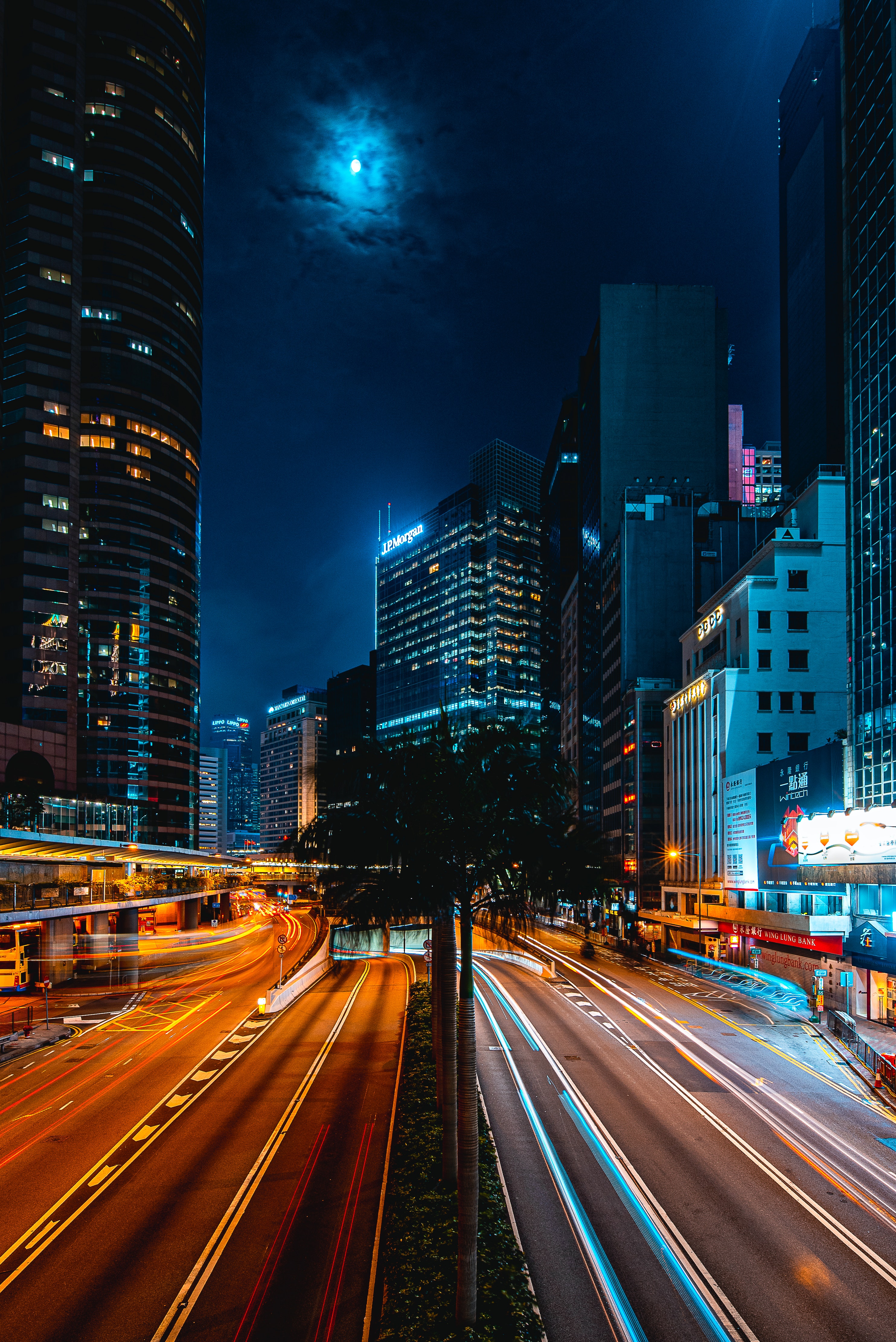
Driving in urban environments presents unique challenges and requires a heightened level of awareness and skill. In this blog post, we will explore the concept of defensive driving in high-risk urban areas, with a specific focus on Brisbane. By adopting defensive driving techniques and attending a driving school, drivers can navigate urban environments safely and effectively.
Understanding the Challenges of Urban Driving in Brisbane
1.1 Traffic Congestion and Limited Space:
Urban areas often experience heavy traffic congestion, leading to reduced speeds and increased frustration. Limited space and the presence of numerous vehicles require drivers to be extra cautious and patient.
1.2 Pedestrians and Cyclists:
Urban environments are bustling with pedestrians and cyclists, requiring drivers to be vigilant and respectful of their rights and safety.
1.3 Complex Road Network and Traffic Signs:
Navigating through a complex road network and understanding various traffic signs can be daunting. Urban driving requires drivers to stay attentive and make quick decisions.
The Importance of Defensive Driving in Urban Environments
2.1 What is Defensive Driving?
Defensive driving involves anticipating potential hazards, maintaining focus, and taking proactive measures to avoid accidents. It is especially crucial in urban areas where risks are higher.
2.2 Benefits of Defensive Driving in High-Risk Areas:
Defensive driving in urban environments helps prevent collisions, reduces the likelihood of road rage incidents, and promotes overall road safety.
Attending a Driving School for Enhanced Urban Defensive Driving Skills
3.1 Developing Situational Awareness:
Driving schools emphasize the development of situational awareness, teaching drivers to stay alert, anticipate potential risks, and make informed decisions in urban environments.
3.2 Mastering Defensive Techniques:
Driving schools provide comprehensive training on defensive driving techniques specific to urban areas. This includes maintaining safe following distances, effective lane changes, and anticipating the actions of other road users.
3.3 Learning Urban Navigation Skills:
Driving schools equip drivers with urban navigation skills, enabling them to navigate complex road networks and unfamiliar areas with confidence.
Defensive Driving Tips for Urban Environments
- Maintain a Safe Following Distance: Leave ample space between your vehicle and the one in front to allow for sudden stops or maneuvers.
- Stay Alert and Minimize Distractions: Avoid distractions such as mobile phones and focus solely on the task of driving. Stay vigilant and anticipate potential risks.
- Use Mirrors and Check Blind Spots Regularly: Frequently check your mirrors and blind spots to be aware of the positions of other vehicles, cyclists, and pedestrians around you.
- Yield to Pedestrians and Cyclists: Always yield to pedestrians and cyclists, especially at crosswalks and designated bike lanes. Be patient and respectful.
- Anticipate and Predict the Actions of Other Road Users: Be aware of the behaviours of other drivers, pedestrians, and cyclists. Anticipate their actions and adjust your driving accordingly.
- Be Mindful of Speed Limits and Adjust Accordingly: Adhere to posted speed limits and adjust your speed based on traffic conditions, weather, and the presence of pedestrians or cyclists.
Frequently Asked Questions (FAQs)
Q1: How can attending a driving school improve my defensive driving skills in urban environments?
A: Driving schools provide specialized training on defensive driving techniques specifically tailored for urban environments. They focus on developing situational awareness, mastering defensive techniques, and enhancing urban navigation skills.
Q2: Are defensive driving techniques specifically designed for urban driving?
A: Defensive driving techniques are applicable in various driving scenarios, including urban environments. However, they are particularly important in high-risk areas where congestion, pedestrian traffic, and complex road networks are prevalent.
Q3: What are some additional tips for driving defensively in high-traffic areas?
A: In addition to the mentioned tips, it's essential to plan your route in advance, be patient and avoid aggressive driving behaviours, signal your intentions clearly, and expect the unexpected.
Q4: How can I improve my situational awareness while driving in urban environments?
A: Improving situational awareness involves actively scanning the road, regularly checking mirrors, anticipating potential hazards, and staying focused on the road and surrounding traffic.
Q5: What should I do if I encounter aggressive drivers in urban areas?
A: It is crucial to stay calm, avoid engaging with aggressive drivers, and maintain a safe distance. If necessary, find a safe place to pull over and contact the authorities if you feel threatened.
Q6: Are there any specific laws or regulations for driving in urban areas in Brisbane?
A: It is important to familiarize yourself with local traffic laws and regulations specific to urban driving in Brisbane. This includes understanding parking regulations, speed limits, and rules related to pedestrian and cyclist interactions.
Conclusion
Defensive driving in high-risk urban areas is crucial for ensuring the safety of both drivers and pedestrians. By adopting defensive driving techniques and attending a driving school, drivers can enhance their skills, develop situational awareness, and navigate urban environments safely. Remember to maintain a safe following distance, stay alert, and be mindful of pedestrians, cyclists, and complex road networks. By prioritizing defensive driving, we can create safer urban environments for everyone.


