


Defensive driving is not just about protecting yourself and your passengers; it also involves ensuring the safety of vulnerable road users, such as pedestrians and cyclists. In this blog post, we will explore the importance of defensive driving in safeguarding these individuals on the roads of Brisbane. We will discuss how attending a driving school can enhance your awareness, skills, and empathy towards vulnerable road users. Let's delve into the topic and learn how we can create a safer environment for everyone.
Who Are Pedestrians?
Pedestrians are individuals who travel on foot, whether they are walking, jogging, running, or using mobility aids such as wheelchairs or crutches. They are a diverse group that includes people of all ages, such as children, adults, and seniors, as well as individuals with disabilities. Pedestrians use sidewalks, crosswalks, and pedestrian pathways to move from one location to another, and they are an essential part of the overall transportation system.
Who Are Cyclists?
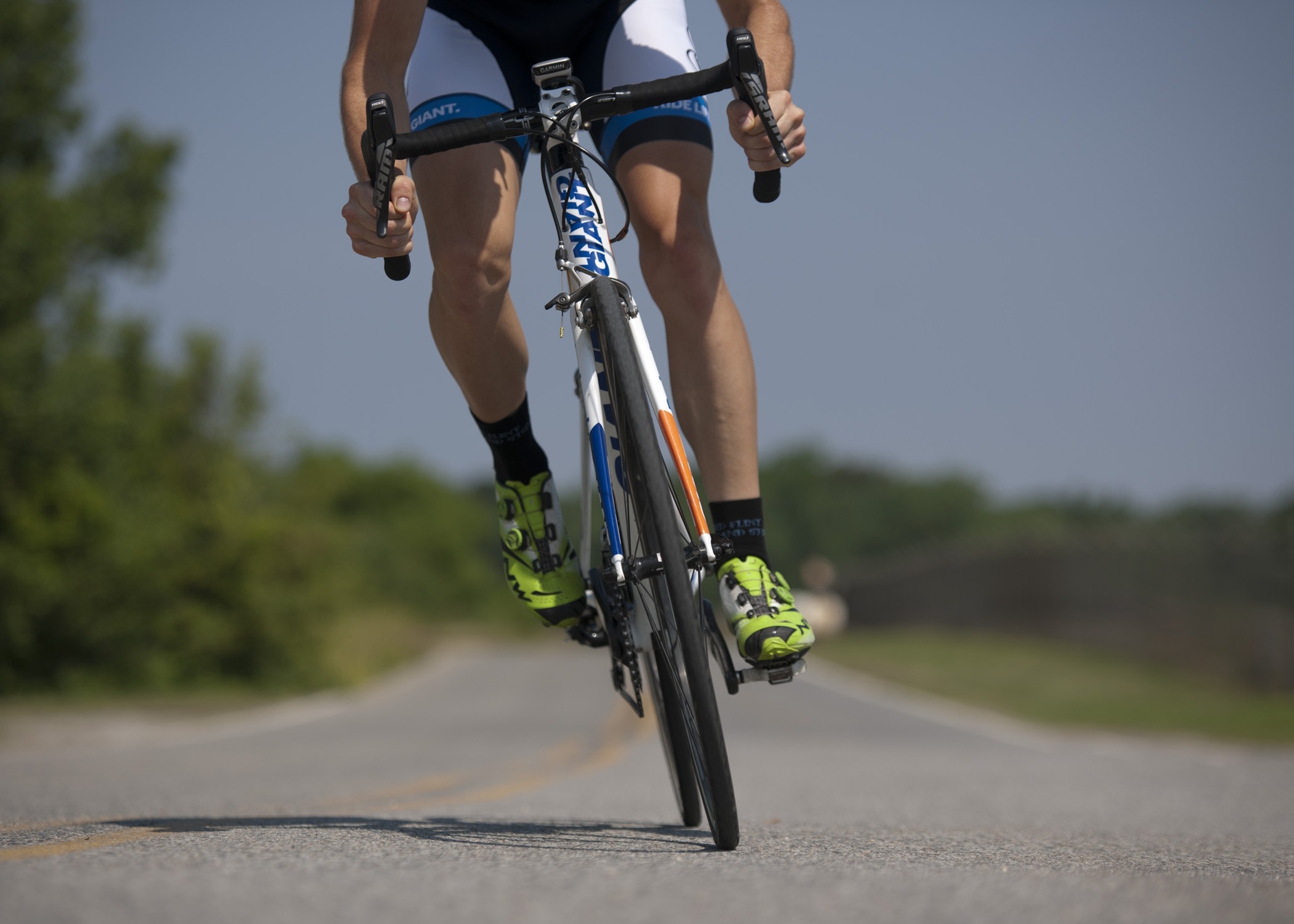
Cyclists are individuals who ride bicycles as a mode of transportation, recreation, or exercise. They use bicycles to travel on roads, bike lanes, and shared pathways. Cyclists come from various backgrounds and age groups, including children, adults, and seniors. Some cyclists may use traditional bicycles, while others may use electric bicycles or other specialized bikes. Cycling provides numerous benefits, including being an eco-friendly and healthy form of transportation. Cyclists share the road with other vehicles and must follow traffic laws and regulations to ensure their safety and the safety of others.
The Role of Defensive Driving In Promoting Safe Driving Habits
Defensive driving involves a proactive approach to road safety, where drivers anticipate and avoid potential hazards by staying focused, being aware of their surroundings, and practising responsible driving behaviours. Here are some key ways in which defensive driving promotes safe driving habits:
1. Increased Awareness:
Defensive driving techniques foster a heightened sense of awareness and attentiveness to potential hazards, including pedestrians and cyclists. Attending a driving school enhances your understanding of vulnerable road users and teaches you how to anticipate and respond to their presence on the road.
2. Respect for Right of Way:
Defensive driving emphasizes giving the right of way to pedestrians at crosswalks and intersections, even when not legally required. Driving schools teach the importance of yielding to cyclists and providing them with sufficient space when overtaking or sharing the road.
3. Reduced Speed and Caution:
Defensive driving encourages adhering to speed limits and adjusting your speed in areas with a high concentration of pedestrians or cyclists. Driving schools stress the significance of slowing down near schools, residential areas, and busy pedestrian zones.
4. Proper Lane Usage:
Defensive driving techniques emphasize using the appropriate lanes and avoiding encroaching on designated pedestrian or bicycle lanes. Driving schools educate learners on the importance of checking blind spots and using signals when changing lanes to prevent accidents involving vulnerable road users.
Benefits of Attending a Driving School
1. Comprehensive Knowledge:
Driving schools provide comprehensive education on traffic rules, regulations, and laws pertaining to vulnerable road users. Through driving lessons and classroom instruction, you gain a deeper understanding of their rights and learn how to interact safely with pedestrians and cyclists.
2. Practical Experience:
Driving schools offer practical experience in navigating scenarios involving pedestrians and cyclists through simulated training and on-road practice. This hands-on experience helps develop the necessary skills, confidence, and decision-making abilities to safely interact with vulnerable road users.
3. Focus on Defensive Driving:
Driving schools place a strong emphasis on defensive driving techniques, ensuring you are well-prepared to protect both yourself and vulnerable road users. The training received at a driving school instils a defensive mindset and cultivates habits that prioritize safety and consideration for others.
Frequently Asked Questions (FAQs) Related To 'Driving Schools In Brisbane'
Q1: What should I do if a pedestrian suddenly enters the road?
A: Stay calm, reduce your speed, and yield the right of way to the pedestrian. Be prepared to stop if necessary and avoid swerving abruptly.
Q2: How can I safely share the road with cyclists?
A: Leave ample space when passing cyclists, ideally providing a distance of at least one meter. Be patient, avoid honking unnecessarily, and wait for a safe opportunity to overtake.
Q3: Are there specific laws in Brisbane regarding pedestrian and cyclist safety?
A: Yes, Brisbane has specific laws and regulations governing pedestrian and cyclist safety. It is crucial to familiarize yourself with these laws to ensure compliance and safety on the roads.
Q4: Who are the most vulnerable roadway users?
A: The most vulnerable roadway users are pedestrians, cyclists, and motorcyclists. They have less protection compared to occupants of motor vehicles and are more susceptible to severe injuries or fatalities in the event of a collision. It is important for all road users to exercise caution and respect the rights and safety of these vulnerable users.
Q5: How can you be safe around pedestrians while driving?
A: To be safe around pedestrians while driving, always yield the right of way to pedestrians at crosswalks and intersections, even if not legally required. Maintain a safe and appropriate speed, especially in areas with a high concentration of pedestrians, and be vigilant for any pedestrians crossing the road. Avoid distractions, stay focused on the road, and use your signals to indicate your intentions.
Conclusion
Defensive driving extends beyond personal safety; it involves protecting vulnerable road users such as pedestrians and cyclists. Attending a driving school in Brisbane equips you with the knowledge, skills, and mindset necessary to safely navigate the roads and create a secure environment for everyone. By embracing defensive driving techniques and understanding the needs of pedestrians and cyclists, we can contribute to the well-being of our community and foster a culture of shared responsibility on the road.


