


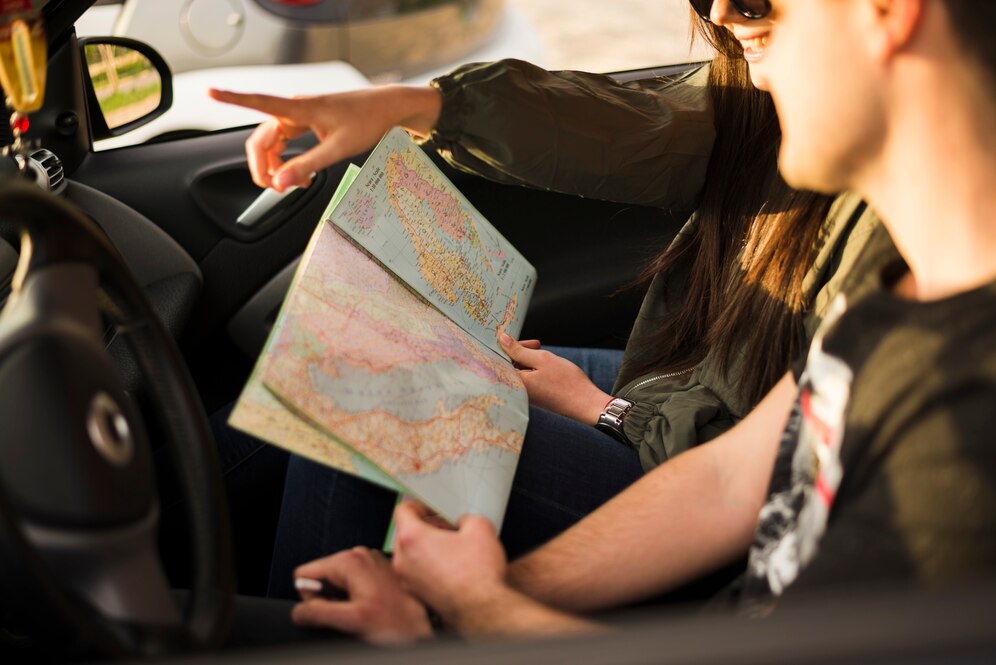
In today's technology-driven world, GPS navigation systems have become ubiquitous companions for drivers. However, there's still great value in mastering the age-old skill of map reading. Whether you're a new driver or a seasoned one, understanding how to navigate using traditional maps can enhance your driving skills, boost your confidence, and add an element of enjoyment to your journeys.
Why Learn Map Reading?
Backup Navigation: While GPS is convenient, it's not infallible. Signal loss, battery failure, or technical glitches can leave you stranded. Having map reading skills as a backup can save the day when technology fails.
Improved Spatial Awareness: Reading maps requires you to visualize your surroundings in relation to the map. This enhances your spatial awareness, helping you understand your position and direction better.
Enhanced Problem-Solving Skills: Navigating with maps involves interpreting symbols, understanding scale, and planning routes. These skills sharpen your problem-solving abilities, which are valuable both on and off the road.
Historical Significance: Map reading connects you to a timeless tradition of exploration and navigation. It's a skill that has been used for centuries and carries a sense of history and adventure.
Getting Started with Map Reading
Choose the Right Map: Opt for maps that are up-to-date, detailed, and specific to your region. Road atlases or local maps are great choices. No Yelling Driving School provides maps as part of our comprehensive driver's education packages.
Understand the Legend: Familiarize yourself with the symbols, colors, and markings on the map legend. This key will help you decipher important information such as roads, landmarks, and geographical features.
Plan Your Route: Before setting out, study the map to plan your route. Identify major landmarks, intersections, and alternate routes in case of detours or road closures.
Practice Orientation: Start by orienting the map to match the direction you're facing. Use landmarks or compass directions to align the map correctly. This will prevent confusion while navigating.
Tips for Effective Map Reading
Break Down the Route: Divide your journey into smaller segments and focus on navigating one section at a time. This prevents overwhelm and ensures you stay on track.
Stay Aware of Surroundings: Continuously compare what you see on the map with your surroundings. Look for landmarks, street signs, and geographical features to confirm your location.
Use Distance Markers: Pay attention to distance markers on the map to gauge how far you've traveled and how much farther you need to go. This helps in estimating travel time and planning rest stops.
Adjust for Direction Changes: As you progress along your route, update your orientation on the map to reflect changes in direction. This keeps you oriented and prevents wrong turns.
Takeaway
Mastering map reading is not just about navigating from point A to point B; it's about developing essential skills that make you a more confident and capable driver. By learning to navigate without GPS, you'll gain a deeper understanding of your surroundings, enhance your problem-solving abilities, and embrace the timeless art of exploration. So, next time you hit the road, consider taking a map along for the journey – you might be surprised by the sense of adventure it brings.
At No Yelling Driving School, we believe in equipping drivers with the knowledge and skills they need to navigate safely and confidently. Contact us today to learn more about our driving lessons and comprehensive driver's education programs.
Remember, when it comes to navigating the road of life, sometimes the best route is the one you chart yourself. Happy travels!


