


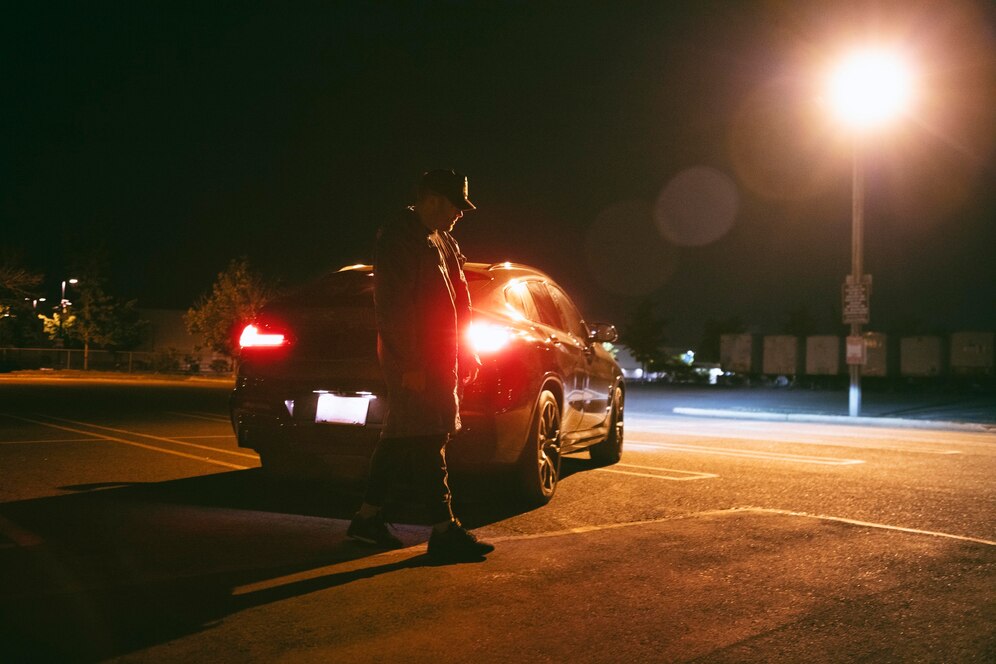
Are you a beginner driver gearing up for your first experience of night driving? While driving in the dark can be intimidating, mastering night driving basics is crucial for staying safe on the road after sunset. At No Yelling Driving School, our experienced instructors are here to guide you through the essential tips and techniques to help you navigate the challenges of night driving with confidence:
Ensure Proper Vehicle Maintenance:
Before hitting the road at night, it's essential to ensure that your vehicle is in optimal condition. Check your headlights, taillights, brake lights, and turn signals to ensure they are functioning correctly. Clean your windshield and mirrors to eliminate any dirt or smudges that could impair visibility. Proper vehicle maintenance is key to safe night driving.
Use Your Headlights Wisely:
Headlights play a crucial role in night driving visibility. Use your headlights correctly by turning them on as soon as it starts to get dark, even if it's not fully nighttime yet. Use low beams when driving in urban areas or when following other vehicles to avoid blinding other drivers. Switch to high beams on dark, rural roads with no oncoming traffic to illuminate the road ahead more effectively.
Stay Alert and Focused:
Night driving requires heightened awareness and concentration. Stay alert by minimizing distractions inside the vehicle, such as adjusting the radio or using your phone. Scan the road ahead continuously, looking for potential hazards like pedestrians, wildlife, or debris. Keep both hands on the steering wheel and maintain a safe following distance from other vehicles.
Adapt Your Speed and Driving Style:
Reduced visibility and potential hazards make it essential to adjust your speed and driving style when driving at night. Reduce your speed to compensate for decreased visibility and allow yourself more time to react to unexpected situations. Avoid sudden movements or aggressive maneuvers, and always drive defensively to anticipate and avoid potential dangers.
Be Mindful of Glare and Night Vision:
Glare from oncoming headlights or streetlights can temporarily blind drivers and impair visibility. Minimize glare by using your sun visor and adjusting your rearview mirror to its night-driving setting to reduce reflections from vehicles behind you. Give your eyes time to adjust to the darkness when transitioning from well-lit areas to darker areas.
Plan Your Route in Advance:
If possible, plan your route in advance and familiarize yourself with the roads you'll be traveling on. Avoid unfamiliar or poorly lit areas, especially if you're not confident navigating them at night. Stick to well-lit, main roads and highways whenever possible for increased safety and visibility.
Practice Defensive Driving Techniques:
Defensive driving is crucial for s taying safe on the road at any time, but it's especially important at night when visibility is reduced. Maintain a safe following distance, signal your intentions early, and be prepared to yield to other drivers or pedestrians. Stay vigilant and be prepared to react quickly to unexpected situations.
By following these essential tips and techniques, beginner drivers can navigate the challenges of night driving with confidence and safety. At No Yelling Driving School, our experienced instructors are dedicated to providing comprehensive driving lessons that cover all aspects of safe driving, including night driving basics. Contact us today to schedule your driving lessons and embark on your journey to becoming a confident and skilled driver, day or night.


