


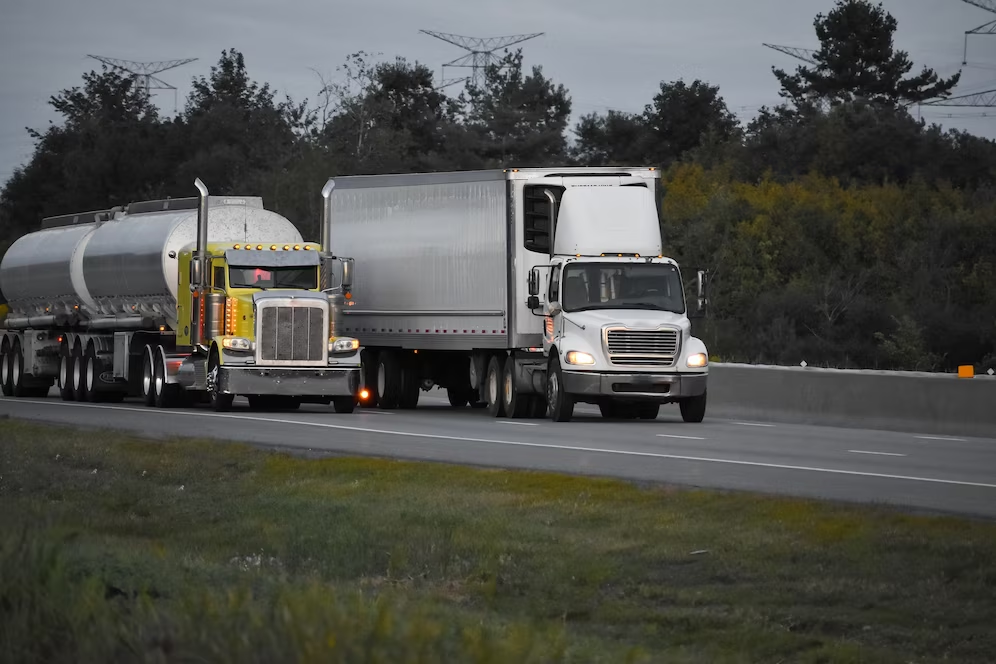
As drivers in Queensland, sharing the road with heavy vehicles is a common experience. However, it can also present unique challenges and potential hazards. To help you navigate safely around these large vehicles, we've compiled a list of frequently asked questions (FAQs) along with essential safety tips:
Q1: What qualifies as a heavy vehicle in Queensland?
A: In Queensland, heavy vehicles are defined as vehicles with a gross vehicle mass (GVM) exceeding 4.5 tonnes. This includes trucks, buses, and large trailers.
Q2: What are the main safety concerns when sharing the road with heavy vehicles?
A: Some of the main safety concerns when sharing the road with heavy vehicles include blind spots, longer stopping distances, wide turning radii, and potential for rollovers. It's crucial for drivers to be aware of these factors and take appropriate precautions to avoid accidents.
Q3: How can I safely navigate around heavy vehicles on the road?
A: To safely navigate around heavy vehicles, follow these tips:
- Avoid lingering in their blind spots (particularly alongside and behind the vehicle).
- Maintain a safe following distance to allow for their longer stopping distances.
- Exercise caution when passing, ensuring you have plenty of space and visibility before merging back into the lane.
- Be patient and avoid aggressive maneuvers, as heavy vehicles may have limited maneuverability.
Q4: What should I do if I encounter a heavy vehicle making a wide turn?
A: If you encounter a heavy vehicle making a wide turn, give them plenty of space and avoid attempting to squeeze past them. Be patient and wait for the vehicle to complete its maneuver safely before proceeding.
Q5: How can I communicate with heavy vehicle drivers on the road?
A: While heavy vehicle drivers may not always be able to see smaller vehicles around them, there are ways to communicate and enhance mutual awareness:
- Use your indicators to signal your intentions clearly.
- Avoid sudden lane changes or maneuvers that may surprise heavy vehicle drivers.
- If necessary, use your horn or lights to alert a heavy vehicle driver to your presence (but avoid excessive use, which can be distracting).
Q6: Are there any specific road conditions or situations where extra caution is warranted around heavy vehicles?
A: Yes, extra caution is warranted in certain situations, such as:
- In adverse weather conditions (e.g., rain, fog) that may reduce visibility and traction.
- When driving on narrow or winding roads where passing heavy vehicles may be more challenging.
- In construction zones or areas with roadworks, where heavy vehicles may be entering or exiting the work area.
Q7: What resources are available to help Queensland drivers learn more about sharing the road with heavy vehicles?
A: Queensland drivers can access educational resources and safety information on the Queensland Government's Department of Transport and Main Roads website. Additionally, reputable driving schools like No Yelling Driving School offer specialized training and guidance on navigating safely around heavy vehicles.
By following these safety tips and staying vigilant on the road, Queensland drivers can share the road with heavy vehicles safely and responsibly. Remember, No Yelling Driving School is here to support you in becoming a confident and defensive driver. Drive safely!


