


When hitting the roads of Queensland, it's essential to be prepared for any unexpected situations that may arise during your journey. From remote outback drives to bustling urban streets, having a well-stocked vehicle emergency kit can make all the difference in ensuring your safety and peace of mind. In this blog post, we'll explore the essential items you should include in your Queensland vehicle emergency kit to stay prepared for emergencies on the road.
Understanding the Importance of a Vehicle Emergency Kit
Emergencies can happen when you least expect them, whether it's a breakdown, a flat tire, or being stranded due to adverse weather conditions. A properly equipped vehicle emergency kit can help you handle these situations effectively and safely. Here's why it's crucial to have one:
Self-Reliance: In remote areas of Queensland where assistance may be limited, having an emergency kit allows you to be self-reliant and address minor issues on your own until help arrives.
Safety: A well-prepared emergency kit can help ensure your safety and the safety of your passengers during unforeseen circumstances, such as accidents or breakdowns.
Peace of Mind: Knowing that you have essential supplies on hand can provide peace of mind and confidence when embarking on long journeys or driving in unfamiliar areas.
Essential Items for Your Queensland Vehicle Emergency Kit
When assembling your vehicle emergency kit, consider including the following essential items:
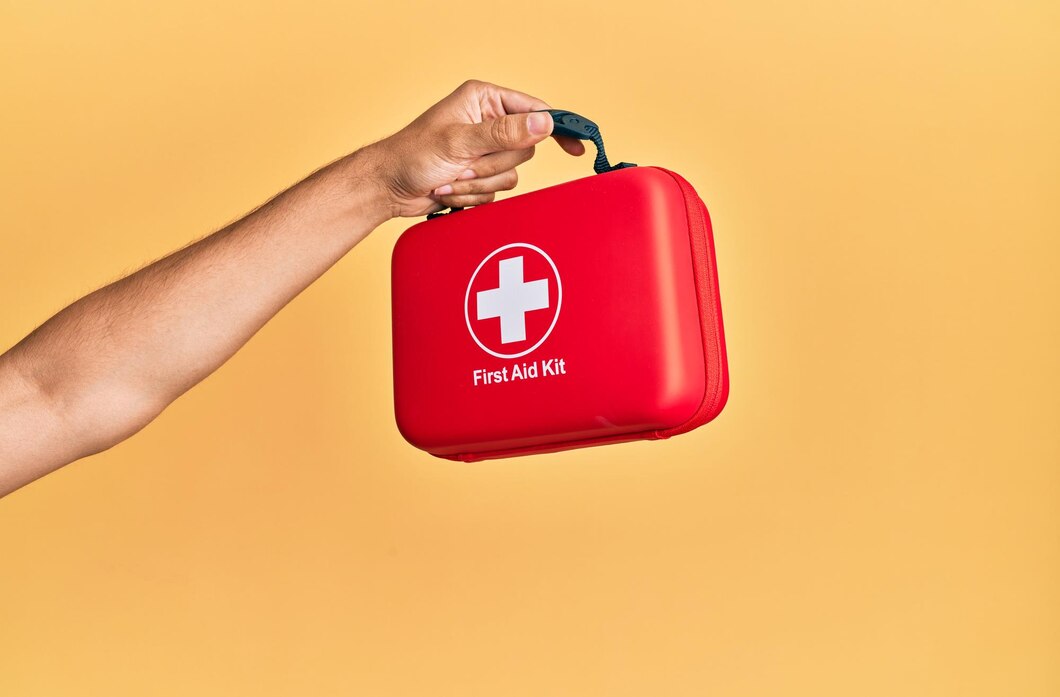
First Aid Kit: A comprehensive first aid kit should include bandages, antiseptic wipes, adhesive tape, scissors, tweezers, pain relievers, and any necessary medications for you and your passengers.
Emergency Reflective Triangle or Flares: These items can alert other drivers to your presence in the event of a breakdown or accident, reducing the risk of collisions.
Basic Tools: Carry a set of basic tools, such as a wrench, screwdriver, pliers, and a tire pressure gauge, to address minor mechanical issues or perform temporary repairs.
Jumper Cables: In case of a dead battery, jumper cables can help you jump-start your vehicle with the assistance of another motorist.
Tire Repair Kit: Include a tire repair kit with a tire sealant and tire inflator to address minor punctures and reinflate tires until you can reach a repair shop.
Portable Emergency Battery Charger: A portable battery charger or power bank can help you recharge your smartphone or other electronic devices in case of emergencies.
Drinking Water and Non-Perishable Snacks: Pack sufficient drinking water and non-perishable snacks to sustain yourself and your passengers in case of unexpected delays or breakdowns.
Blanket or Warm Clothing: In colder months or if traveling through higher elevations, pack a blanket or warm clothing to stay comfortable while waiting for assistance.
Maps and Compass: In areas with limited or no GPS signal, traditional navigation tools like maps and a compass can help you find your way if you get lost.
Emergency Contact Information: Keep a list of emergency contact numbers, including roadside assistance services, towing companies, and local authorities, readily accessible in your vehicle.
By preparing a well-equipped vehicle emergency kit and keeping it in your car at all times, you can be better prepared to handle unexpected situations on Queensland's roads. Remember to periodically check and replenish the supplies in your emergency kit to ensure everything is up to date and functional.
Ready to learn more about safe driving practices and emergency preparedness? Contact No Yelling Driving School today to enroll in our comprehensive driver's education programs. Our experienced instructors will equip you with the knowledge and skills to become a confident and responsible driver on Queensland's roads.
Stay safe and prepared on the road with No Yelling Driving School!


