


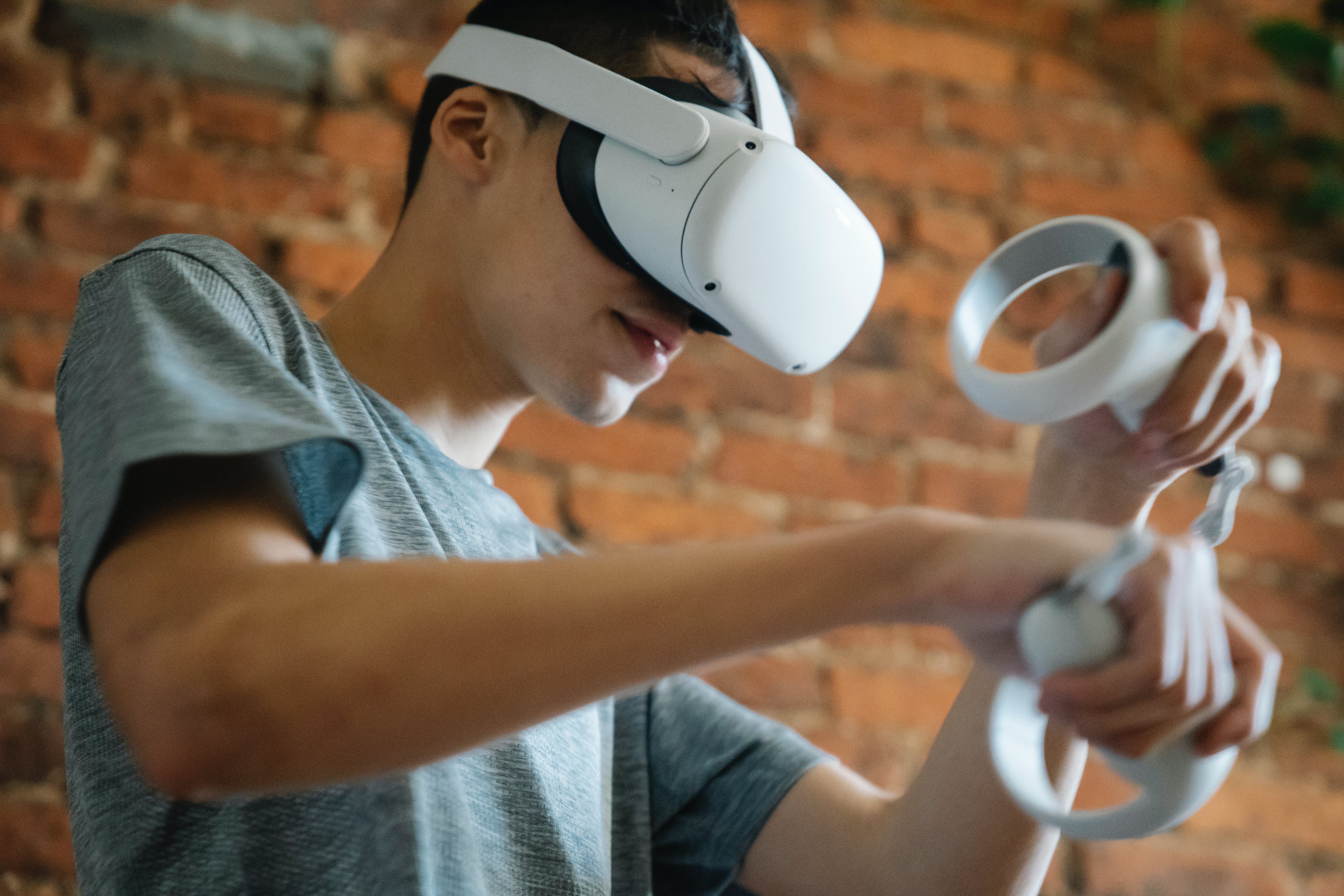
In the bustling metropolis of Melbourne, where the art of driving is both a necessity and an adventure, the integration of virtual reality (VR) into modern driving simulators is reshaping the way individuals learn to navigate the city's dynamic roads. This blog post delves into the transformative role of virtual reality in driving simulators, focusing on its impact on driving schools in Melbourne and how it enhances the learning experience for aspiring drivers.
The Evolution of Driving Simulators
Driving simulators have come a long way from basic training tools to sophisticated systems that replicate the real-world driving experience. The infusion of virtual reality takes this evolution to new heights, offering learners an immersive and interactive platform that goes beyond traditional simulation.
I. Virtual Reality in Driving Simulators
A. Visual Immersion
Virtual reality creates a visually immersive experience for learners in driving schools. In Melbourne, where the cityscape is diverse and challenging, VR allows aspiring drivers to feel as though they are navigating through iconic locations like Federation Square, Queen Victoria Market, and the Yarra River. This level of visual immersion enhances spatial awareness and familiarizes learners with Melbourne's unique driving environment.
B. Realistic Environments
Modern driving simulators with virtual reality capabilities boast realistic environments. Learners can experience Melbourne's roads with accurate depictions of landmarks, intersections, and road conditions. The authenticity of these virtual environments contributes to a more effective learning experience, bridging the gap between simulation and real-world driving.
II. The Impact on Melbourne's Driving Schools
A. Enhanced Learning Experience
The integration of virtual reality into driving simulators elevates the learning experience for driving schools in Melbourne. Learners are no longer confined to abstract simulations; instead, they engage with realistic virtual environments that mirror the challenges of Melbourne's roads. This enhanced experience translates to better-prepared drivers who are familiar with the intricacies of city driving.
B. Spatial Awareness and Decision-Making
Virtual reality enhances spatial awareness by providing learners with a three-dimensional perspective of their surroundings. In Melbourne, where complex intersections and diverse traffic patterns are prevalent, this heightened awareness is crucial. Additionally, virtual reality scenarios challenge learners to make split-second decisions, refining their decision-making skills for the unpredictable nature of city driving.
C. Customized Training for Melbourne's Roads
Melbourne's driving schools leverage virtual reality to offer customized training programs tailored to the city's unique driving conditions. Simulated scenarios can focus on specific challenges, such as navigating tram tracks, handling hook turns, and adapting to Melbourne's distinct traffic flow. This customization ensures that learners graduate with the skills needed to navigate Melbourne's roads confidently.
FAQs
Q1: Can virtual reality in driving simulators replace on-road training entirely?
A1: While virtual reality enhances the learning experience, it is not a complete substitute for on-road training. Both components work together to provide a comprehensive learning experience, with virtual reality serving as a crucial supplement.
Q2: How does virtual reality benefit learners in Melbourne specifically?
A2: Virtual reality in Melbourne's driving schools offers a realistic representation of the city's roads, landmarks, and driving challenges. This targeted training ensures that learners are well-prepared for the unique conditions posed by Melbourne's driving environment.
Q3: Are all driving schools in Melbourne using virtual reality in their simulators?
A3: The adoption of virtual reality in driving simulators varies among driving schools in Melbourne. However, many reputable institutions recognize the benefits and are incorporating virtual reality into their training programs to provide a more immersive and effective learning experience.
Q4: Can virtual reality improve spatial awareness for driving in Melbourne?
A4: Yes, virtual reality enhances spatial awareness by providing learners with a three-dimensional perspective of Melbourne's roads. This heightened awareness contributes to better navigation of complex intersections and diverse traffic patterns.
Conclusion
The role of virtual reality in modern driving simulators is a game-changer for driving schools in Melbourne. Aspiring drivers are no longer confined to traditional methods of learning; instead, they engage with immersive, realistic environments that mirror the challenges of Melbourne's dynamic roads. The integration of virtual reality not only enhances the learning experience but also ensures that graduates are well-prepared to navigate the unique driving conditions of this vibrant city. As Melbourne continues to embrace technological advancements, the influence of virtual reality in driving education is set to play a pivotal role in shaping the next generation of skilled and confident drivers.


