


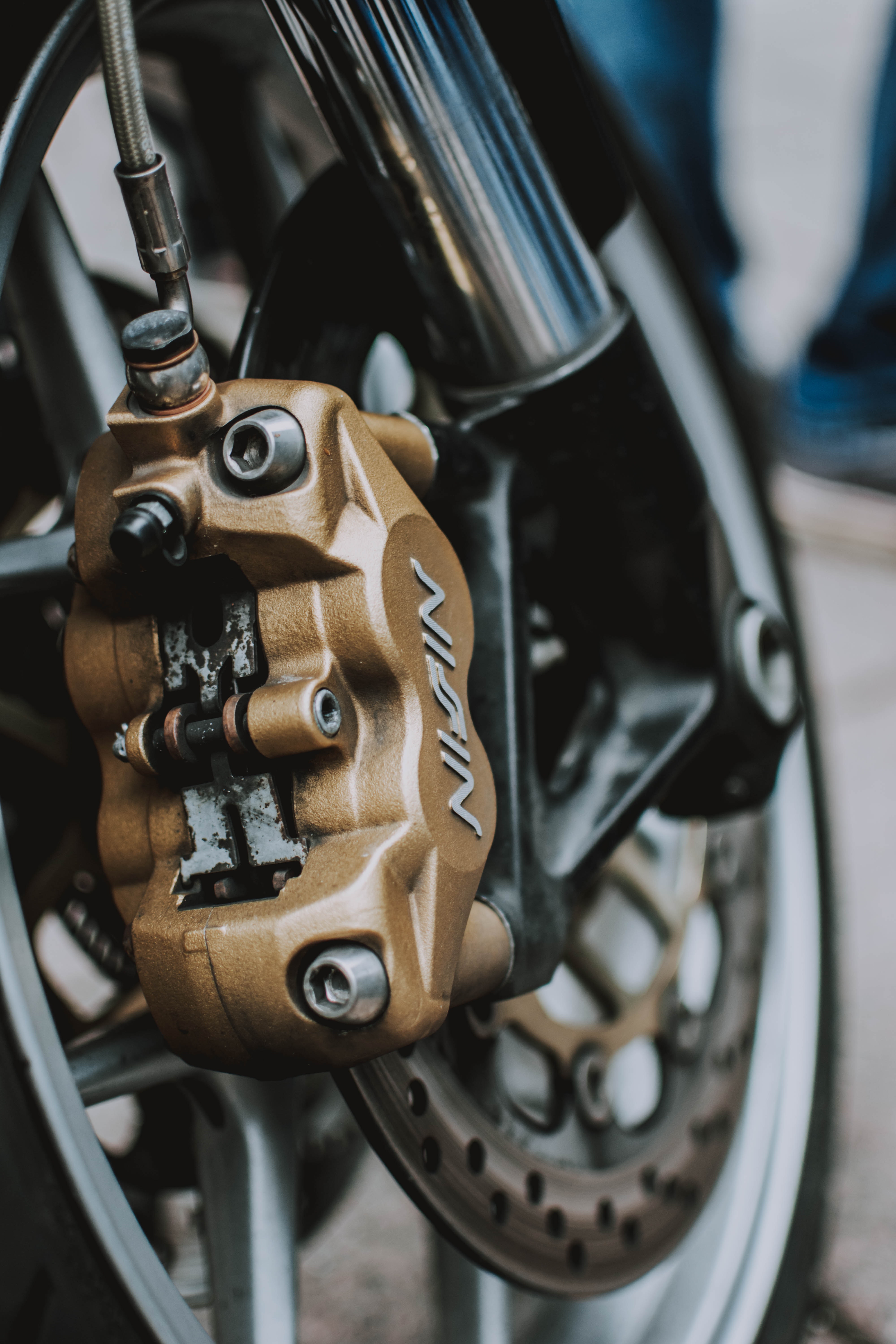
Brisbane, Australia, with its growing population and bustling urban life, is no stranger to traffic congestion. Sitting in traffic jams can be frustrating, but it's a reality for many Brisbane commuters. In this comprehensive guide, we will explore effective strategies for dealing with stop-and-go traffic in Brisbane while maintaining your vehicle's brake health. Additionally, we'll discuss how this topic influences driving schools in Brisbane, emphasizing the importance of preparing drivers for city traffic conditions.
Understanding Brisbane's Traffic Jams
Traffic jams in Brisbane are a daily occurrence, especially during peak hours. Whether you're on the Pacific Motorway, the Riverside Expressway, or navigating suburban streets, chances are you'll encounter congestion. Here are some common issues faced by drivers in Brisbane's traffic jams:
- Stop-and-Go Driving: Frequent braking and acceleration in traffic jams can take a toll on your vehicle's brakes.
- Frustration and Stress: Long hours spent in traffic can lead to frustration and stress, affecting your overall well-being.
- Fuel Consumption: Stop-and-go traffic often results in higher fuel consumption, impacting your budget and the environment.
Now, let's delve into strategies for managing Brisbane's traffic congestion effectively.
Strategies for Stress-Free Commutes in Brisbane Traffic
1. Plan Your Commute:
Use traffic apps or websites to check real-time traffic conditions before leaving home.
Consider alternative routes to avoid the most congested areas.
2. Maintain Safe Following Distance:
Leave ample space between your vehicle and the one in front to reduce frequent braking.
This practice also improves safety in case of sudden stops.
3. Smooth Acceleration and Braking:
Gradually accelerate and brake to minimize wear and tear on your vehicle's brakes.
Avoid rapid acceleration followed by hard braking.
4. Use Engine Braking:
If traffic is moving slowly, you can use engine braking by gently releasing the gas pedal to slow down instead of braking.
5. Stay Informed:
Listen to traffic updates on the radio to stay informed about accidents or delays that may affect your route.
6. Car Maintenance:
Regularly service your vehicle, including brake inspections, to ensure they are in optimal condition for stop-and-go traffic.
7. Carpool or Use Public Transport:
Consider carpooling or using public transport to reduce the number of vehicles on the road.
8. Stay Calm and Patient:
Practice patience and remain calm to reduce stress during traffic jams.
9. Entertainment and Comfort:
Prepare for long commutes with entertainment options like audiobooks, podcasts, or calming music.
Ensure your vehicle is comfortable, with air conditioning or heating as needed.
Influence on Driving Schools in Brisbane
Traffic congestion is an integral part of daily life in Brisbane, and it significantly influences driving schools in the city. Here's how:
Emphasizing Defensive Driving: Driving schools in Brisbane emphasize defensive driving techniques that help students navigate traffic jams safely. Defensive driving includes maintaining a safe following distance, anticipating traffic flow, and practicing patience.
Brake Maintenance Education: Recognizing the increased strain on brakes in traffic jams, driving schools stress the importance of brake maintenance. They educate students on brake care and the signs of brake wear and tear.
Traffic Simulation Lessons: Some driving schools incorporate traffic simulation lessons, allowing students to experience and practice dealing with stop-and-go traffic in a controlled environment.
Alternative Routes and Navigation: Driving schools teach students how to use navigation tools effectively, helping them find alternative routes to avoid traffic jams.
FAQs
Q1: How often should I have my brakes checked to ensure they are suitable for dealing with Brisbane traffic jams?
A1: It's recommended to have your brakes checked at least once a year or as advised by your vehicle manufacturer. Regular brake inspections are crucial, especially when dealing with stop-and-go traffic.
Q2: Are there driving schools in Brisbane that specialize in teaching defensive driving for traffic congestion?
A2: Yes, many driving schools in Brisbane offer specialized courses that include defensive driving techniques tailored to dealing with traffic congestion.
Q3: What should I do if I experience brake problems while stuck in a Brisbane traffic jam?
A3: If you experience brake problems, pull over to a safe location if possible and seek professional assistance. It's essential to address brake issues promptly.
Q4: How can I stay patient and calm during long traffic jams in Brisbane?
A4: To maintain your composure during traffic jams, consider engaging in calming activities such as listening to music, podcasts, or audiobooks. Deep breathing exercises can also help reduce stress.
Conclusion
Traffic jams are an unavoidable part of life for many Brisbane commuters. However, with the right strategies, you can transform your daily commute into a more manageable and stress-free experience. Remember to prioritize brake maintenance and employ defensive driving techniques to ensure your safety while navigating Brisbane's congested streets. The influence of traffic congestion on driving schools in Brisbane underscores the importance of preparing new drivers for the city's unique traffic challenges. Whether you're a seasoned commuter or a new driver, these strategies will help you conquer Brisbane's traffic jams with ease.


