


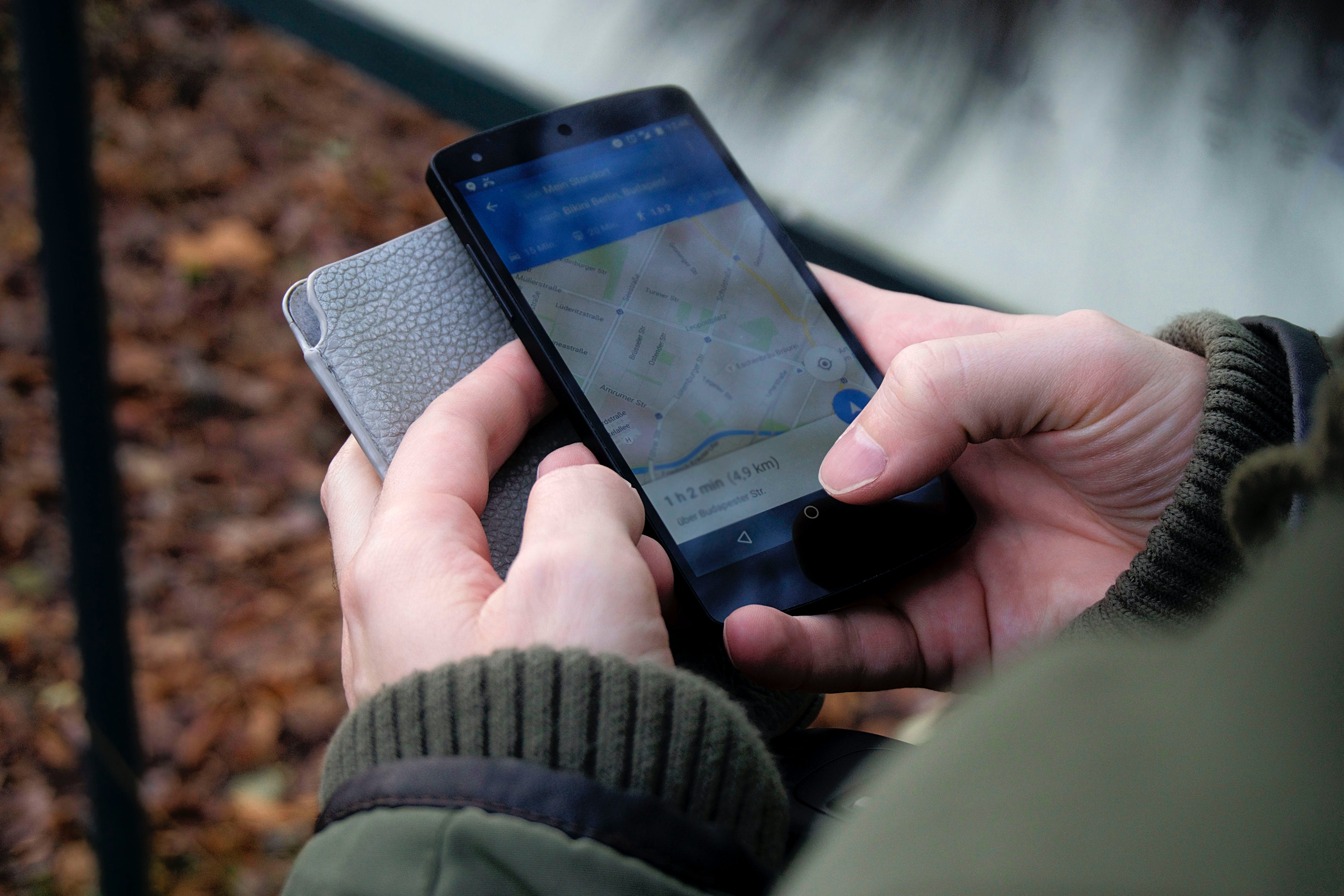
In the bustling city of Brisbane, efficient and reliable transportation is key to the success of countless businesses. From logistics companies delivering goods to construction firms managing heavy equipment, fleet management plays a pivotal role in keeping operations running smoothly. However, in today's fast-paced world, businesses need more than just a fleet of vehicles; they need a smart and streamlined approach to managing them. That's where GPS tracking technology comes into play. In this blog post, we'll explore the vital importance of GPS tracking for fleet management in Brisbane, and how it enables businesses to optimize their operations, reduce costs, and enhance customer service.
1. Precise Location Tracking: The Backbone of Fleet Management
At the heart of efficient fleet management lies the ability to accurately track the location of each vehicle in real time. This is where GPS tracking technology shines. With GPS devices installed in each vehicle, businesses in Brisbane can have a complete overview of their fleet's location at any given moment. This not only ensures that vehicles are on the right track but also enables swift response to any unexpected situations or emergencies.
2. Route Optimization: Saving Time and Fuel
Navigating the bustling streets of Brisbane can be a challenge, especially during rush hours. GPS tracking allows fleet managers to plan and optimize routes to avoid traffic congestion and reduce travel time. By choosing the most efficient routes, businesses can not only save valuable time but also reduce fuel consumption, which in turn lowers operational costs and minimizes the carbon footprint—a win-win situation for both the business and the environment.
3. Vehicle Maintenance: Keeping Your Fleet in Top Shape
Regular vehicle maintenance is essential to prevent costly breakdowns and ensure the safety of drivers and others on the road. GPS tracking technology can be integrated with vehicle diagnostics systems to monitor the health of each vehicle in the fleet. This helps in scheduling timely maintenance and repairs, preventing unexpected downtime and expensive breakdowns.
4. Enhanced Safety: Protecting Your Assets and Drivers
Safety should always be a top priority for fleet managers in Brisbane. GPS tracking provides valuable insights into driver behavior, such as speeding, harsh braking, and rapid acceleration. By monitoring these behaviors, businesses can promote safe driving practices, reduce accidents, and safeguard their assets and employees.
5. Real-time Communication: Stay Connected with Your Fleet
In the dynamic business environment of Brisbane, staying connected with your fleet is essential. GPS tracking technology enables real-time communication with drivers, allowing you to relay instructions, updates, or changes in plans instantly. This level of connectivity ensures that your fleet can adapt to evolving situations swiftly.
6. Improved Customer Service: Delighting Your Clients
For businesses in Brisbane that rely on timely deliveries or services, GPS tracking can be a game-changer. You can provide accurate arrival times to customers, offer real-time tracking links, and quickly reroute vehicles if there are delays due to unforeseen circumstances. This not only enhances customer satisfaction but also strengthens your business's reputation.
FAQ: Common Queries About GPS Tracking for Fleet Management
1. Is GPS tracking suitable for all types of vehicles in a fleet, including heavy equipment and specialized vehicles?
Yes, GPS tracking can be tailored to suit various types of vehicles, from trucks and vans to heavy equipment and specialized vehicles.
2. Does GPS tracking require a constant internet connection for real-time monitoring?
Yes, GPS tracking relies on an internet connection to transmit real-time data. However, some systems offer offline tracking with data syncing when the connection is re-established.
3. How can GPS tracking help reduce operational costs for businesses in Brisbane?
GPS tracking can reduce operational costs by optimizing routes, improving fuel efficiency, and minimizing vehicle maintenance expenses.
4. Are there any legal or privacy concerns associated with GPS tracking in Brisbane?
It's essential to adhere to local privacy laws and regulations when implementing GPS tracking for fleet management. This may include notifying employees about tracking and ensuring data privacy.
*5. Can GPS tracking technology be integrated with other fleet management software systems?
Yes, many GPS tracking systems are designed to integrate seamlessly with other fleet management software, allowing for a more comprehensive approach to managing your fleet.
6. How can businesses in Brisbane get started with GPS tracking for their fleets?
To get started with GPS tracking, businesses can consult with reputable GPS tracking service providers in Brisbane, who can assess their needs and provide tailored solutions.
The Impact of GPS Tracking on Fleet Management and Its Implications for Driving Schools in Brisbane
1. Enhanced Safety and Confidence for Learners:
GPS tracking technology has a direct impact on driving schools by contributing to enhanced safety and confidence for learner drivers. When driving instructors use GPS tracking devices in their training vehicles, both instructors and learners can rest assured that they always know their exact location. This provides a safety net for learners, especially during their early stages of driving, as it minimizes the risk of getting lost or overwhelmed in unfamiliar areas of Brisbane.
2. Improved Lesson Planning and Efficiency:
For driving schools in Brisbane, efficient lesson planning is crucial to accommodate a high number of students. GPS tracking allows driving instructors to optimize routes, ensuring that they can cover a variety of driving scenarios and practice areas within a single lesson. This efficiency results in more productive lessons and allows instructors to better tailor their teaching to meet the specific needs of each student.
3. Real-Time Feedback and Performance Evaluation:
GPS tracking technology can record and analyze various aspects of a learner's performance during a driving lesson. Driving instructors can use this data to provide real-time feedback, helping students understand their strengths and areas that need improvement. This detailed performance evaluation contributes to more effective learning experiences and better-prepared drivers on Brisbane's roads.
4. Tracking Driving Behavior:
GPS tracking systems can also monitor driving behavior, including speed, braking, and acceleration patterns. For driving schools, this feature is valuable for evaluating and coaching students on safe and responsible driving practices. Instructors can address any concerning behaviors promptly, reinforcing the importance of following traffic rules and guidelines.
5. Efficient Scheduling and Resource Management:
Managing a fleet of training vehicles is a logistical challenge for driving schools. GPS tracking simplifies scheduling and resource management by providing real-time visibility into the location and availability of vehicles. Instructors can optimize their schedules, reduce downtime between lessons, and ensure that vehicles are always where they are needed.
6. Customer Service and Transparency:
GPS tracking enhances customer service for driving schools in Brisbane. Parents and learners can have peace of mind knowing that their driving school uses advanced technology to track lessons and ensure safety. GPS data can also be shared with parents to provide transparency about their child's progress and driving habits, further building trust between the school and its clients.
7. Adapting to Technological Trends:
As GPS tracking becomes more integrated into the transportation landscape, driving schools in Brisbane must adapt to technological trends to stay competitive. Embracing GPS technology not only improves the quality of instruction but also demonstrates the school's commitment to leveraging the latest tools for effective driver training.
In conclusion, the importance of GPS tracking for fleet management in Brisbane has a significant impact on driving schools. It enhances safety, efficiency, and the overall quality of driving instruction. By incorporating GPS tracking technology into their operations, driving schools can better prepare learners for the challenges of navigating Brisbane's roads, ultimately contributing to safer and more responsible drivers in the city.


