


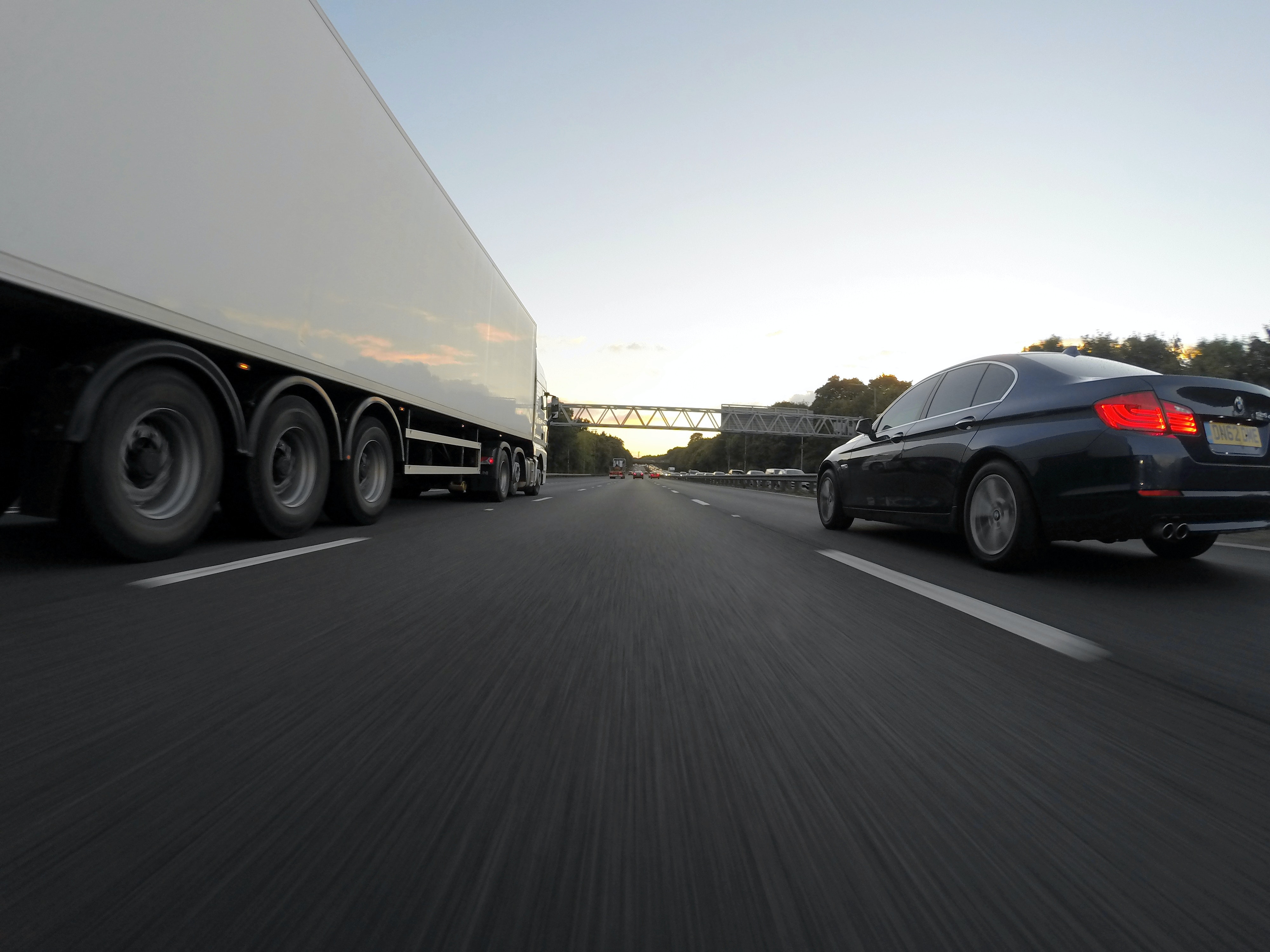
Sharing the road with large vehicles, such as trucks and buses, requires extra caution and awareness from drivers. These vehicles have unique characteristics, including limited maneuverability, longer braking distances, and larger blind spots. Understanding how to interact safely with large vehicles is essential for ensuring the safety of all road users. In this blog post, we will provide detailed tips for sharing the road with trucks and buses, discuss the important role of driving schools in preparing drivers for these situations, and highlight considerations specific to the Brisbane locality.
The Importance of Sharing the Road Safely
Sharing the road safely with large vehicles is crucial for preventing accidents and minimizing potential hazards. Large vehicles have limited visibility and may require more time to react to changing road conditions. Being mindful of their presence and practising defensive driving techniques can help maintain road safety.
Understanding the Challenges of Large Vehicles
Before discussing tips for sharing the road, it's important to understand the challenges that large vehicles face. Some of these challenges include:
- Limited maneuverability: Large vehicles require more space to turn and change lanes.
- Longer braking distances: Due to their size and weight, trucks and buses need more time to stop.
- Blind spots: Large vehicles have significant blind spots, especially on the sides and rear, where smaller vehicles may not be visible to the driver.
Tips for Sharing the Road with Trucks and Buses
a. Maintain a Safe Distance: Keep a safe following distance to allow for ample stopping time. Avoid tailgating large vehicles as they may need more space to brake.
b. Be Mindful of Blind Spots: Stay out of the blind spots of trucks and buses, especially on the sides and rear. If you can't see the driver's mirrors, assume they can't see you.
c. Use Caution During Overtaking Maneuvers: Pass large vehicles with caution and ensure you have enough space to complete the maneuver safely. Signal early, accelerate smoothly, and maintain a consistent speed while overtaking.
d. Signal Clearly and Early: Indicate your intentions early, giving large vehicle drivers ample time to react. Use your signals when merging or changing lanes to communicate your intentions clearly.
e. Avoid Cutting Off Large Vehicles: Never abruptly cut in front of a large vehicle, as their braking distance is longer. Provide sufficient space before merging into their lane.
The Role of Driving Schools in Promoting Safe Practices
Driving schools play a crucial role in preparing drivers to share the road with large vehicles. Some ways in which driving schools can incorporate this training into their curriculum include:
- Comprehensive Training on Large Vehicle Awareness: Teaching students about the characteristics and challenges of large vehicles.
- Simulated Exercises and Real-World Experience: Providing practical training scenarios that simulate interactions with large vehicles.
- Emphasizing Defensive Driving Techniques: Instilling the importance of defensive driving to anticipate and respond to potential hazards.
Local Considerations for Brisbane Drivers:
In the context of Brisbane, there are specific considerations when sharing the road with large vehicles:
- Familiarize Yourself with High-Traffic Routes: Be aware of routes commonly used by trucks and buses and plan your journey accordingly.
- Be Prepared for Road Construction and Traffic Congestion: Construction zones and congested areas may require additional caution and patience when sharing the road with large vehicles.
- Stay Informed about Local Traffic Regulations: Stay updated with any specific rules or regulations pertaining to large vehicles in Brisbane, such as restricted areas or speed limits.
Frequently Asked Questions
Q1. How can I safely navigate roundabouts with large vehicles?
You can yield to the large vehicle if they are already in the roundabout. Exercise caution when entering and exiting the roundabout to avoid cutting off large vehicles.
Q2. Are there specific speed limits for large vehicles in Brisbane?
Large vehicles generally follow the same speed limits as other vehicles, but it's important to check for any specific speed restrictions in certain areas.
Q3. How do I report an incident involving a reckless truck or bus driver?
Note down the vehicle's registration number, location, and any other relevant details. Also, report the incident to the local authorities, providing them with the necessary information.
Q4. What should I do if I encounter a large vehicle on a narrow street?
Exercise patience and allow the large vehicle to navigate the narrow street. If necessary, find a safe spot to pull over and let the vehicle pass.
Q5. Are there any specific road signs or markings related to large vehicles in Brisbane?
Look out for signs indicating truck routes, low-clearance bridges, or areas where large vehicles are prohibited.
Conclusion
Sharing the road safely with large vehicles requires drivers to be knowledgeable about their challenges and adopt defensive driving practices. Driving schools play a vital role in preparing drivers to navigate these situations effectively. In Brisbane, understanding local considerations enhances drivers' preparedness. By following the provided tips, being mindful of large vehicles' presence, and practising patience and caution, we can promote road safety for all road users.


