


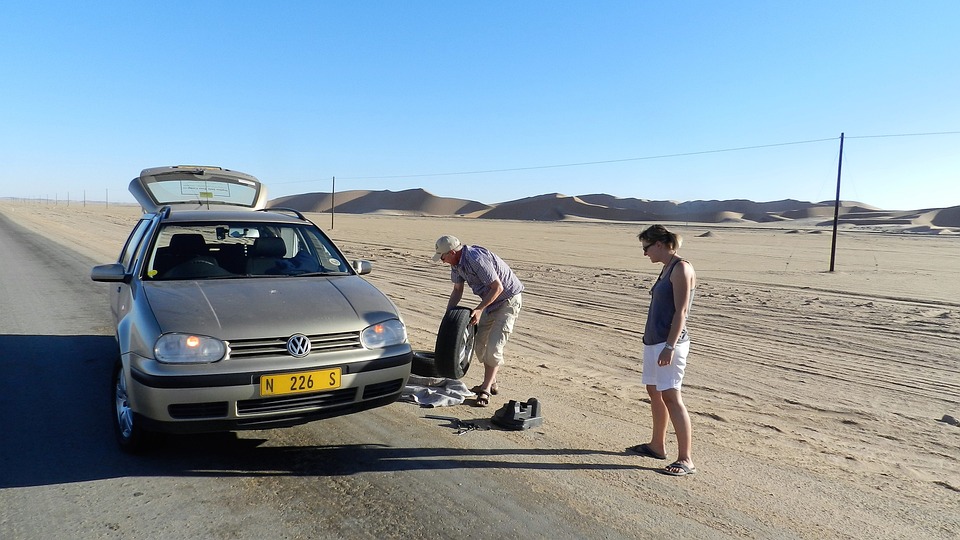
Experiencing a breakdown or roadside emergency can be stressful, but knowing how to wait safely for assistance can make all the difference in ensuring your well-being and the safety of others on the road. Whether you're awaiting roadside assistance or help from emergency services, it's essential to stay calm, alert, and prepared for any situation. At No Yelling Driving School, we prioritize road safety and aim to equip drivers with the knowledge and skills to handle emergencies effectively. In this guide, we'll explore what to do while waiting for roadside assistance or help to arrive, ensuring your safety and peace of mind.
Move to a Safe Location:
If possible, move your vehicle to a safe location away from traffic, such as the shoulder of the road, a breakdown lane, or a designated emergency stopping area. Turn on your hazard lights to alert other drivers to your presence and use reflective triangles or flares to increase visibility, especially at night or in low-light conditions.
Stay Inside Your Vehicle:
In most cases, it's safer to remain inside your vehicle while waiting for assistance, especially if you're on a busy highway or in a high-traffic area. Lock your doors, fasten your seatbelt, and avoid standing or walking near the roadway, where you could be at risk of being struck by passing vehicles.
Call for Help:
Use your mobile phone to call for roadside assistance, towing services, or emergency services, depending on the nature of your situation. Provide your location, a description of the problem, and any relevant details to ensure that help arrives promptly. Stay on the line with the dispatcher for further instructions or updates.
Assess Your Surroundings:
While waiting for assistance, assess your surroundings for potential hazards or risks. Look out for oncoming traffic, unstable terrain, or other safety concerns that could pose a threat to your well-being. Remain vigilant and alert to changes in your environment, and be prepared to take action if necessary.
Communicate with Others:
If you're traveling with passengers, inform them of the situation and instruct them to remain calm and inside the vehicle. Use your mobile phone to update family members, friends, or colleagues about your whereabouts and the status of your situation. Clear communication can help alleviate concerns and facilitate assistance if needed.
Be Prepared for Weather Conditions:
Depending on the weather conditions, take steps to stay comfortable and protected while waiting for assistance. Stay hydrated, dress appropriately for the temperature, and use blankets or jackets to stay warm if necessary. In extreme weather conditions, such as excessive heat or cold, take additional precautions to avoid heatstroke, hypothermia, or dehydration.
Stay Patient and Await Assistance:
Once you've taken safety precautions and called for help, stay patient and await assistance. Avoid attempting to fix the problem yourself unless you have the necessary knowledge and tools to do so safely. Trust that help is on the way and focus on maintaining your safety and well-being while waiting.
By following these guidelines and staying calm, alert, and prepared, you can wait safely for roadside assistance or help to arrive in any emergency situation. Remember, your safety is the top priority, so take proactive measures to protect yourself and others on the road.
At No Yelling Driving School, we're committed to promoting road safety and empowering drivers with the skills and knowledge to handle emergencies effectively. Our comprehensive training programs cover essential topics such as roadside safety, emergency procedures, and defensive driving techniques, ensuring that drivers are prepared for any situation they may encounter on the road.
Stay safe and prepared with No Yelling Driving School!


