


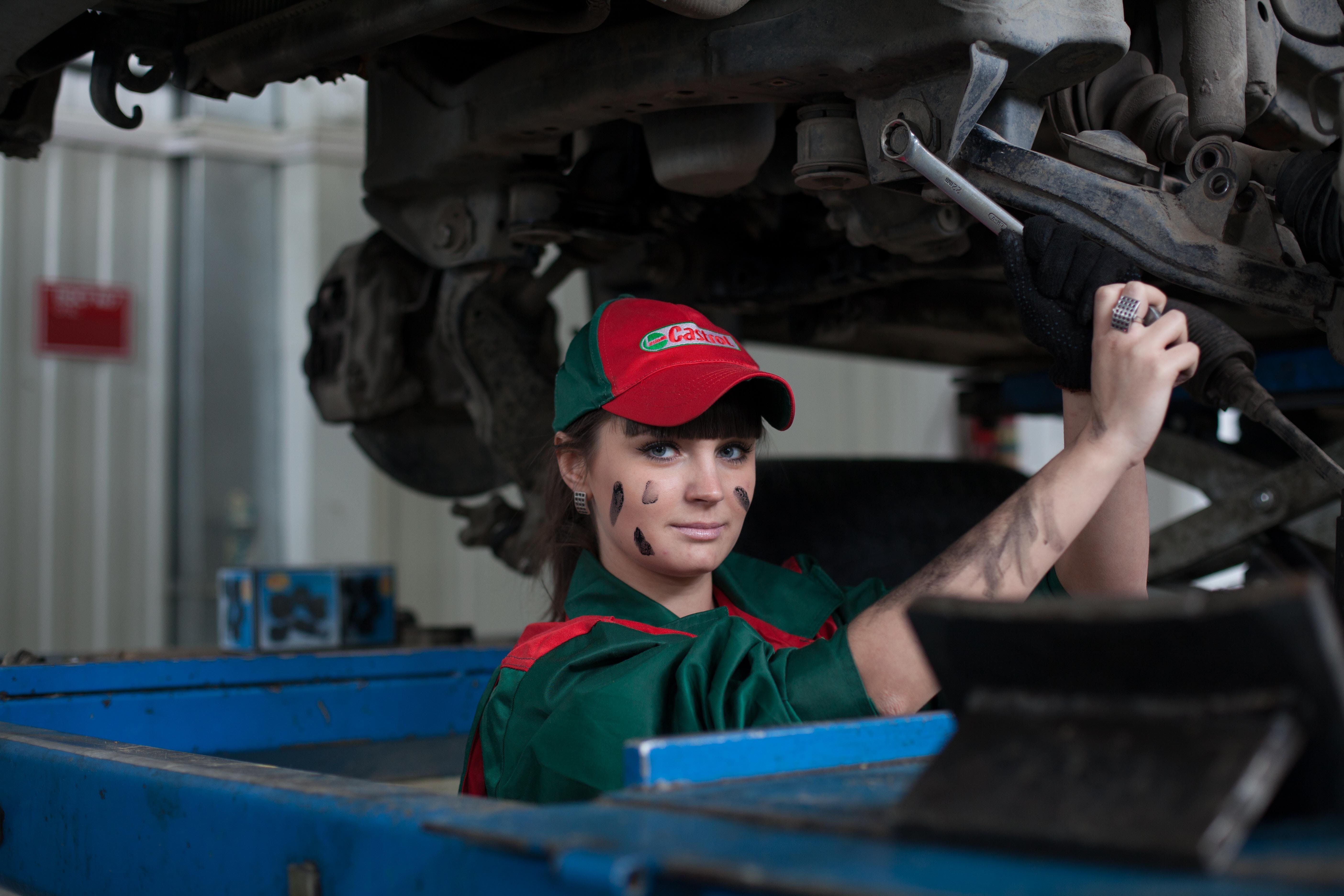
As a driver in Brisbane, mastering essential vehicle maintenance tasks is not just about keeping your car in top shape; it's also a crucial aspect of becoming a responsible and informed driver. In this comprehensive guide, we'll explore the top 10 vehicle maintenance tasks that every Brisbane driver, especially those attending driving school, should never ignore.
1. Regular Oil Changes
Brisbane's varied climate demands attention to your car's engine. Regular oil changes, typically every 6,000 to 7,500 miles, are essential for optimal engine performance. Driving school students in Brisbane benefit from understanding this fundamental task, ensuring the longevity of their training vehicles.
2. Tire Maintenance and Rotation
Brisbane's diverse terrains, from urban streets to hilly landscapes, can impact tire wear. Learn how to check tire pressure regularly and rotate your tires every 6,000 to 8,000 miles. This not only ensures even wear but also contributes to safe driving practices, a crucial lesson for driving school attendees.
3. Fluid Checks
Brisbane's climate can be unpredictable, making regular fluid checks a necessity. Ensure your coolant, brake fluid, and windshield washer fluid are at the right levels. Driving school students gain valuable knowledge about fluid maintenance, a skill that enhances their overall driving experience.
4. Brake System Inspection
Brisbane's hilly terrain emphasizes the importance of a reliable braking system. Regularly inspect brake pads, rotors, and fluid levels. For driving school students, understanding proper brake maintenance is essential for safe driving practices, and instilling confidence behind the wheel.
5. Battery Care
Brisbane's climate, with its occasional extreme temperatures, can impact your car's battery life. Learn how to inspect and clean battery terminals, ensuring a dependable start every time. This practical skill is invaluable for driving school attendees, and fostering a sense of self-reliance.
6. Air Filter Replacement
Brisbane's urban environment can expose your car to various pollutants. Regularly replacing the air filter ensures clean air intake, improving engine performance. Driving school students in Brisbane learn the importance of air filter maintenance for optimal vehicle efficiency.
7. Wheel Alignment
Brisbane's diverse roads can lead to misaligned wheels. Understand the signs of poor wheel alignment and learn how to address it promptly. This knowledge is crucial for driving school students, contributing to their overall understanding of vehicle dynamics.
8. Transmission Fluid Check
Brisbane's start-stop traffic can put a strain on your car's transmission. Learn how to check transmission fluid levels and address any issues promptly. For driving school students, this knowledge is key to maintaining a smooth and responsive driving experience.
9. Inspecting Lights and Signals
Brisbane's traffic demands well-functioning lights and signals. Regularly check and replace burnt-out bulbs, ensuring visibility on the road. This practical skill is emphasized in driving schools, contributing to the safety of novice drivers.
10. Wiper Blade Maintenance
Brisbane's occasional rain requires efficient wiper blades. Learn how to inspect and replace worn-out wiper blades for clear visibility. Driving school students in Brisbane grasp the importance of this task, especially during unpredictable weather conditions.
FAQs
Q1: How often should I check my car's tire pressure in Brisbane?
A: It's advisable to check tire pressure at least once a month, especially in Brisbane's varied climate. Regular checks contribute to better fuel efficiency and overall safety.
Q2: Can I perform my own brake system inspection at home?
A: Yes, you can. Regularly inspect brake pads, rotors, and fluid levels. If you notice any unusual sounds or reduced braking efficiency, consult a professional for a thorough inspection.
Q3: What's the recommended frequency for air filter replacement in Brisbane?
A: Generally, air filters should be replaced every 12,000 to 15,000 miles. However, in Brisbane's urban environment, it's advisable to check and replace if necessary every 6,000 to 8,000 miles.
Q4: How can I maintain my car's battery in Brisbane's climate?
A: Regularly inspect and clean battery terminals. Additionally, park in shaded areas when possible, as extreme heat can impact battery life.
Conclusion
Mastering these top 10 essential vehicle maintenance tasks is not only a practical skill for every Brisbane driver but also a crucial aspect of driving school education. Aspiring drivers in Brisbane gain valuable knowledge that goes beyond passing a driving test; it empowers them to be responsible and confident drivers, contributing to the overall safety and efficiency of Brisbane's roads. So, whether you're a seasoned driver or a driving school student, don't ignore these essential maintenance tasks—your vehicle and fellow road users will thank you for it.


