


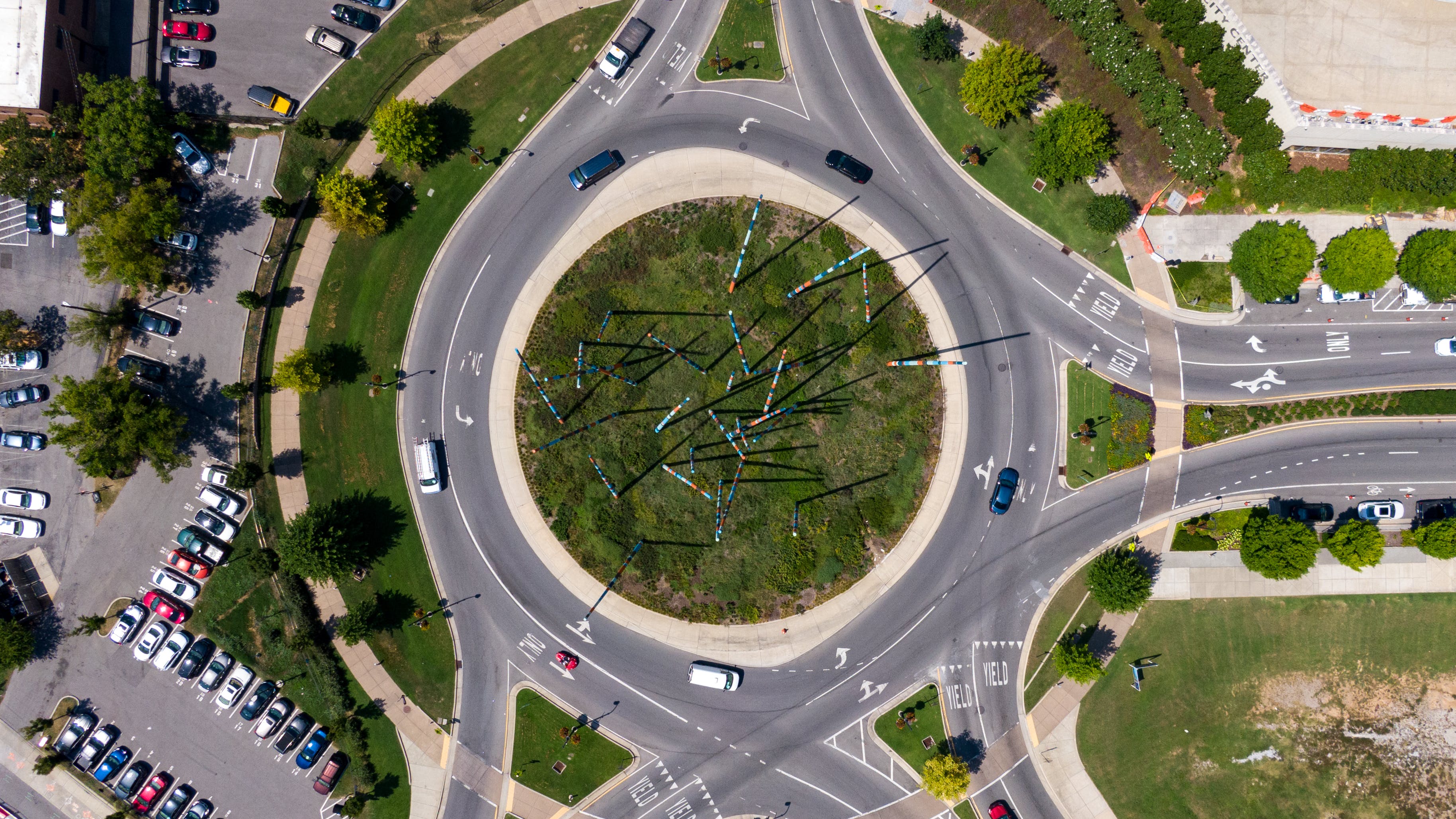
The choice between roundabouts and traditional intersections is a pivotal aspect of urban planning and traffic management. In this exploration, we delve into the comparison of roundabouts and traditional intersections, specifically tailored to the town of Ipswich. Focusing on the keyword 'driving school,' we'll examine the impact of this topic on driving schools in Ipswich, shedding light on how these circular intersections influence driving education in the area.
Roundabouts: A Flow-Focused Alternative
Continuous Traffic Flow
Roundabouts are renowned for their ability to maintain continuous traffic flow. Unlike traditional intersections with stop signs or traffic signals, vehicles in roundabouts seamlessly merge into the circulating flow, reducing delays and keeping traffic moving.
Reduced Congestion
The continuous movement within roundabouts contributes to reduced congestion. Vehicles enter and exit without the need for complete stops, minimizing the likelihood of traffic backing up during peak hours.
Improved Safety
Studies consistently show that roundabouts are safer than traditional intersections. The reduced severity of accidents and the elimination of high-speed T-bone collisions make roundabouts a safer option for both drivers and pedestrians.
Traditional Intersections: Familiar but with Challenges
Stop-and-Go Traffic
Traditional intersections often require complete stops, leading to a start-and-stop traffic pattern. This can result in increased fuel consumption, emissions, and overall inefficiency.
Higher Likelihood of Collisions
The design of traditional intersections, especially those with high-speed roads intersecting, increases the likelihood of severe collisions. T-bone accidents, in particular, pose a significant risk to drivers.
Traffic Signal Dependency
Traffic signals, while essential for managing traffic, can also contribute to delays. Signal cycles and red lights can impede the smooth flow of traffic, especially during non-peak hours.
Driving Schools in Ipswich
Incorporating Roundabout Training
Given the prevalence of roundabouts in Ipswich, driving schools in the area incorporate comprehensive roundabout training into their programs. Instructors emphasize the importance of understanding roundabout dynamics, right-of-way rules, and proper signalling.
Addressing Traditional Intersection Challenges
Ipswich driving schools recognize the challenges associated with traditional intersections, including the potential for congestion and higher collision risks. In response, instructors educate learners on defensive driving techniques to navigate these intersections safely.
Emphasizing Efficient Traffic Flow
Ipswich driving schools place a strong emphasis on teaching learners the benefits of efficient traffic flow. Instructors highlight how mastering roundabout navigation contributes to smoother traffic movement and reduced delays, aligning with the town's commitment to effective urban planning.
Safety Protocols for Both Intersections
While roundabouts are a focal point, driving schools in Ipswich ensure that learners are well-versed in safety protocols for both roundabouts and traditional intersections. This comprehensive approach prepares drivers for the diversity of road scenarios they may encounter in Ipswich.
FAQs
Q1: Are roundabouts more challenging for new drivers in Ipswich?
A: Roundabouts may seem challenging initially, but Ipswich driving schools provide hands-on training to build confidence. Instructors guide learners through various roundabout scenarios, ensuring they are well-prepared for these intersections.
Q2: Do traditional intersections in Ipswich pose specific challenges for learners?
A: Traditional intersections can be challenging due to stop-and-go traffic and potential collision risks. Ipswich driving schools address these challenges by incorporating defensive driving techniques into their curriculum.
Q3: How do roundabouts contribute to efficient traffic flow in Ipswich?
A: Roundabouts in Ipswich facilitate continuous traffic flow, reducing congestion and delays. Ipswich driving schools educate learners on the benefits of efficient traffic movement in circular intersections.
Q4: Are there plans to increase the number of roundabouts in Ipswich?
A: Urban planning in Ipswich may include the construction of additional roundabouts. Ipswich driving schools stay updated on local infrastructure developments to provide learners with the latest information on navigating circular intersections.
Conclusion
The comparison between roundabouts and traditional intersections in Ipswich highlights the importance of efficient traffic flow and safety. Driving schools in the area play a crucial role in preparing learners for the diverse road scenarios they may encounter. By incorporating comprehensive roundabout training and addressing challenges associated with traditional intersections, Ipswich driving schools contribute to creating confident and adaptable drivers who can navigate both circular and traditional intersections with skill and awareness.


