


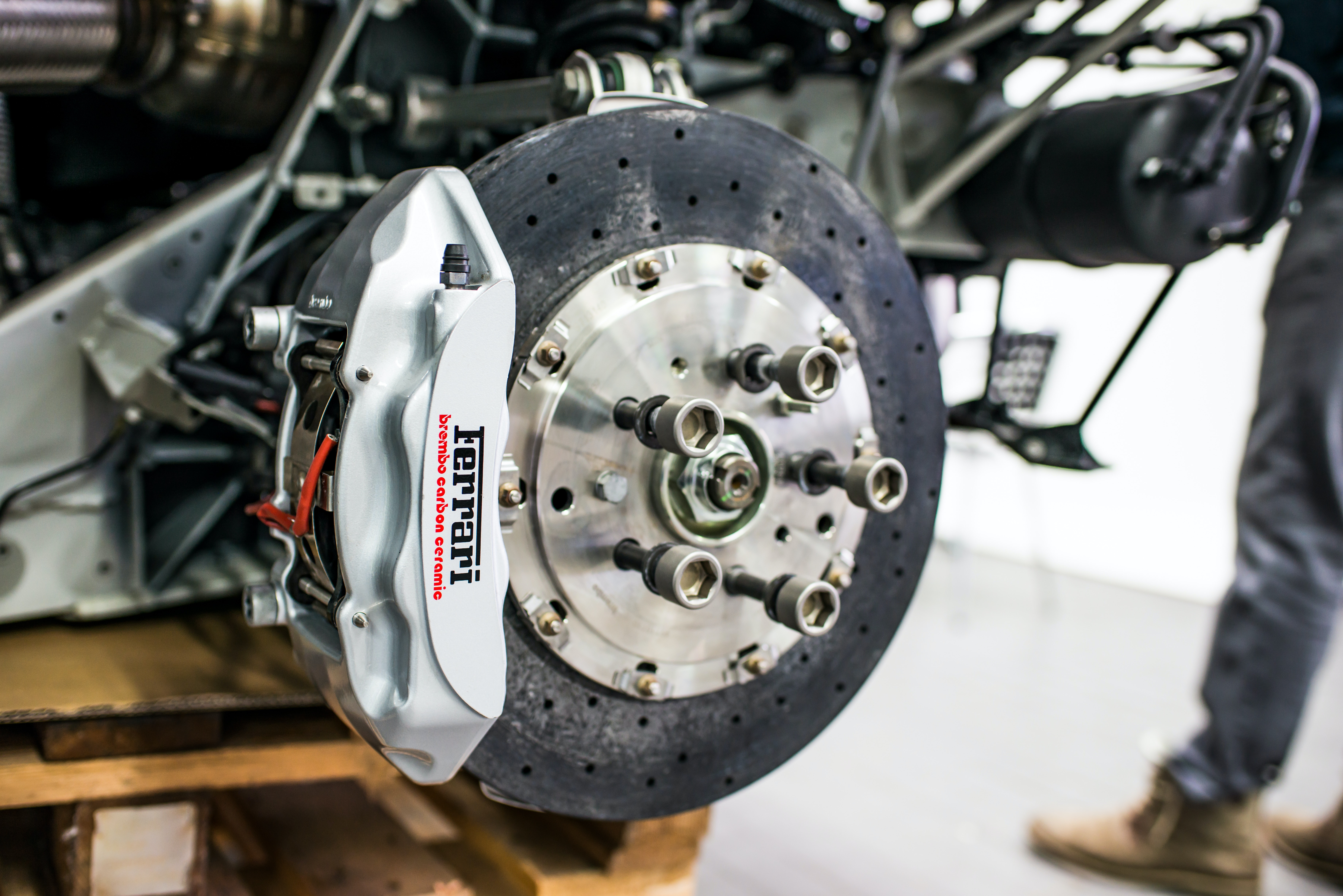
Brisbane's scorching summers are famous for their high temperatures and relentless sun. While this makes for great beach weather, it also poses unique challenges for drivers, particularly when it comes to brake overheating during extended drives. In this comprehensive guide, we will explore the challenges posed by Brisbane's hot summers and provide essential tips to prevent brake overheating. We will also discuss how this topic influences Brisbane's driving schools, highlighting the importance of preparing drivers to cope with the city's climate and road conditions.
Challenges of Driving in Brisbane's Hot Summers
Brisbane's summer climate is known for its heat and humidity, and these conditions can affect both you and your vehicle. Here are some of the challenges drivers face during hot summers:
- Brake Overheating: Prolonged use of the brakes in hot weather can lead to brake overheating, reducing their effectiveness and potentially causing damage.
- Reduced Tire Traction: High temperatures can soften the road surface, leading to reduced tire traction, which can affect your vehicle's handling and stopping distance.
- Driver Discomfort: Extreme heat can lead to driver discomfort, which can impact concentration and overall driving performance.
- Vehicle Cooling: Overheating engines and radiators are more common in hot weather, potentially causing breakdowns.
Now, let's explore techniques to prevent brake overheating and ensure safe driving during Brisbane's hot summers.
Tips for Preventing Brake Overheating in Hot Summers
- Plan Your Drives: Whenever possible, plan your trips during cooler parts of the day, such as early morning or late evening, to avoid the peak heat.
- Use Engine Braking: When descending hills or slowing down, use engine braking by downshifting (for manual transmissions) or releasing the gas pedal (for automatic transmissions). This reduces the need for heavy braking.
- Progressive Braking: Apply the brakes progressively and gently when needed, avoiding abrupt stops that generate excessive heat.
- Maintain a Safe Following Distance: Leave extra space between your vehicle and the one in front of you to allow for smoother braking and avoid sudden stops.
- Cooling Down Periods: During long drives in hot weather, take short breaks to allow your brakes to cool down. Park in the shade if possible.
- Brake Checks: Regularly inspect your brakes for signs of wear and overheating, such as a burning odor or reduced braking performance.
- Brake Maintenance: Ensure your brakes are in good condition with regular maintenance. This includes checking brake fluid levels and replacing worn brake pads.
- Maintain a Cool Cabin: Use your vehicle's air conditioning system to maintain a comfortable cabin temperature. A cooler environment can help improve driver focus and comfort.
Influence on Driving Schools in Brisbane
The challenges of driving in Brisbane's hot summers significantly influence driving schools in the city. Here's how:
- Climate-Adaptive Training: Driving schools in Brisbane include climate-adaptive training to prepare students for driving in extreme heat. This training emphasizes brake maintenance and coping with hot weather conditions.
- Brake Overheating Education: Students are educated about the risks of brake overheating and how to prevent it. They learn how to identify signs of brake issues and take appropriate action.
- Safe Driving Practices: Brisbane's hot weather training also includes safe driving practices for hot conditions, such as staying hydrated, using air conditioning effectively, and recognizing the signs of heat-related discomfort or exhaustion.
- Vehicle Cooling Knowledge: Driving schools inform students about vehicle cooling systems, including how to monitor engine temperature and what to do in case of overheating.
FAQs
Q1: What are the signs of brake overheating in hot weather?
A1: Signs of brake overheating may include a burning odor, reduced braking performance, and brake pedal fade (the pedal feeling less responsive).
Q2: How often should I check my brakes during hot summers in Brisbane?
A2: It's a good practice to check your brakes regularly, especially during hot summers. Look for signs of wear and overheating and have them inspected if you notice any issues.
Q3: Can hot weather affect tire traction and vehicle handling?
A3: Yes, extreme heat can soften the road surface, reducing tire traction and potentially affecting your vehicle's handling and stopping distance.
Q4: What should I do if my brakes overheat during a drive in Brisbane's hot weather?
A4: If your brakes overheat, pull over to a safe location and allow them to cool down. Avoid heavy or continuous braking until they have fully cooled.
Conclusion
Driving in Brisbane's hot summers requires preparation and awareness, particularly when it comes to preventing brake overheating. By following the tips outlined in this guide, you can ensure your safety and maintain your vehicle's braking performance during scorching weather. The influence of hot weather on driving schools in Brisbane underscores the importance of preparing new drivers to cope with the city's climate and road conditions. Whether you're a seasoned driver or just starting your journey, these practices will help you stay safe and comfortable on Brisbane's hot summer roads.


