


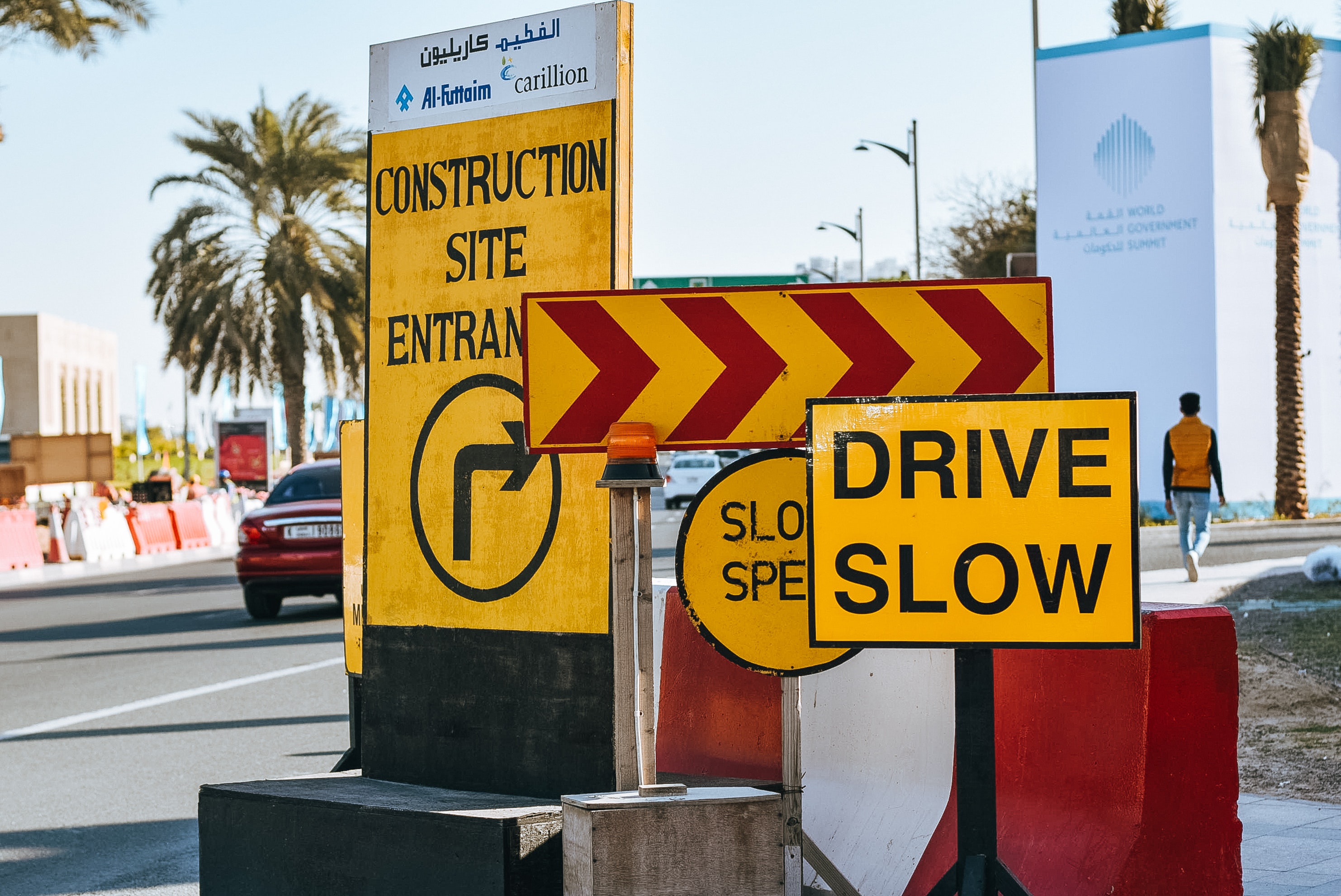
Work zones play a crucial role in ensuring safe driving on roads and highways. They are temporary areas where construction, maintenance, or special events take place. Understanding the significance of work zones is essential for drivers to navigate these areas safely and responsibly.
What are Work Zones?
Work zones are designated areas on roadways where construction, maintenance, or special events are carried out. These zones are demarcated by signs, barriers, and cones to guide drivers and protect them from potential hazards. It's important to note that work zones are dynamic environments, and conditions can change rapidly. As drivers approach a work zone, they should be prepared for alterations in traffic patterns and follow the instructions provided.
The Role of Work Zones
Work zones serve a multifaceted purpose. They are vital for infrastructure development and maintenance. Construction work zones involve activities like building new roads or bridges, while maintenance work zones focus on repairs and repaving to keep existing roads in good condition. These zones impact traffic flow, potentially causing congestion and delays. However, their primary goal is to ensure the safety of both drivers and road workers. Adhering to speed limits, obeying traffic signs, and maintaining a safe following distance is essential in work zones.
Types of Work Zones
- Construction Zones: In construction work zones, drivers may encounter activities like road expansion, bridge construction, or new infrastructure development. Navigating these zones requires heightened attention and patience. Following the guidance of a qualified driving instructor during a driving lesson can help drivers learn how to handle construction zones safely.
- Maintenance Zones: Maintenance work zones involve repairs and routine upkeep of existing roads. These zones may include activities such as repaving, pothole repair, and painting road markings. New drivers, particularly those attending a driving school, should receive instruction on how to respond to reduced lanes, changing road surfaces, and the presence of maintenance vehicles.
- Special Event Zones: Work zones for special events, such as parades or festivals, can introduce unique challenges for drivers. Temporary closures rerouted traffic, and increased pedestrian activity require careful attention and adherence to the guidance of traffic control measures. A qualified driving instructor can help new drivers navigate these situations safely during driving lessons.
Conclusion
Understanding work zones and their significance is vital for maintaining road safety. Whether in a construction, maintenance, or special event zone, drivers should prioritize caution, patience, and adherence to traffic rules. Enrolling in a driving school and learning from a knowledgeable driving instructor can equip drivers, especially new ones, with the skills needed to navigate work zones confidently and responsibly.
Frequently Asked Questions (FAQs)
Q1: How can I prepare for driving through a work zone?
A: It's important to be alert and reduce your speed when approaching a work zone. Follow the instructions on signs, maintain a safe following distance, and be prepared for changing road conditions.
Q2: Can a driving instructor help me navigate work zones?
A: Yes, a qualified driving instructor can provide valuable guidance on how to navigate work zones safely. They can simulate work zone scenarios during driving lessons and teach you essential skills for handling such situations.
Q3: Are there specific rules for driving through construction zones?
A: Yes, construction zones often have reduced speed limits and specific lane configurations. Pay attention to signs, yield the right-of-way to workers and equipment, and be cautious of uneven road surfaces.
Q4: How do I stay safe in special event zones with heavy pedestrian traffic?
A: In special event zones, watch for pedestrians, follow designated routes, and adhere to traffic control measures. Slow down and exercise patience to ensure the safety of both pedestrians and drivers.
Q5: What should I do if I encounter unexpected lane closures in a work zone?
A: Stay calm, follow the instructions of traffic control personnel or signs, and merge into the open lane as directed. Avoid abrupt lane changes and maintain a safe distance from other vehicles.
Remember, safe driving in work zones is a shared responsibility that requires awareness, patience, and adherence to traffic laws. If you're a new driver, consider enrolling in a driving school and seeking guidance from a qualified driving instructor to enhance your skills in navigating work zones.


