


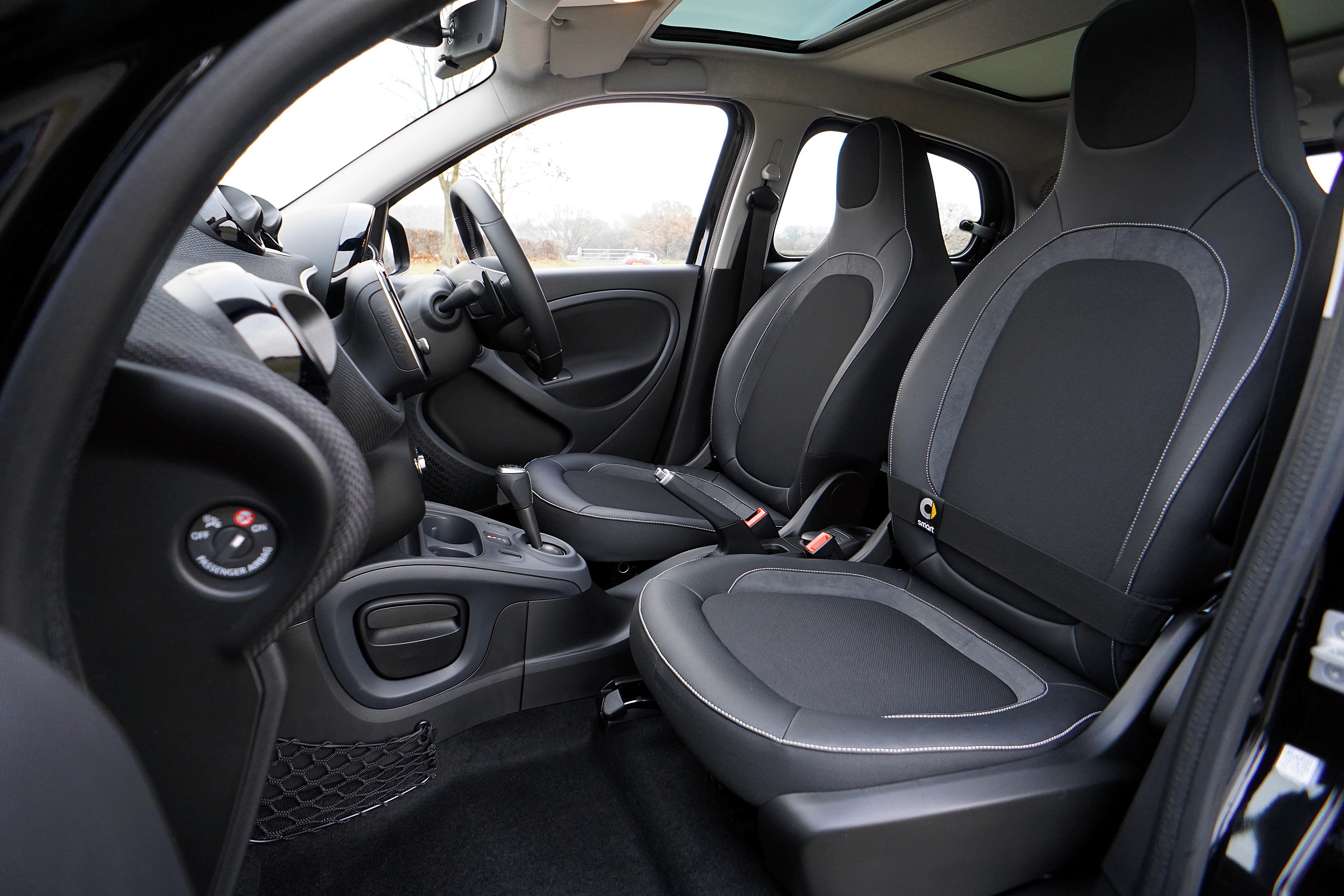
When living with arthritis, every aspect of life requires careful consideration, including the ability to drive comfortably and safely. In this blog post, we will explore the significance of adapting vehicles for arthritis patients and the transformative impact of adaptive driving aids. From understanding various aids to selecting the right equipment and seeking professional training, individuals can regain their independence on the road. Let's embark on the journey of adapting your vehicle for arthritis-friendly driving.
Understanding Adaptive Driving Aids
Adaptive driving aids are specialized tools designed to accommodate individuals with physical challenges, such as arthritis. These aids enable arthritis patients to control their vehicles effectively, despite limited joint mobility. Common adaptive driving aids include hand controls for acceleration and braking, steering wheel modifications for better grip, pedal extenders, and left-foot accelerators. Each aid serves a unique purpose, enhancing the driving experience for arthritis patients.
Assessing Your Vehicle's Needs
To ensure successful adaptation, arthritis patients must assess their specific driving challenges and needs. Consulting with healthcare professionals and experienced driving instructors can provide valuable insights into the best adaptive aids for individual situations. By identifying the areas of difficulty, individuals can better understand the necessary modifications for their vehicles.
Selecting the Right Adaptive Equipment
Choosing the most suitable adaptive aids is crucial for enhancing driving comfort and safety. Factors such as budget, vehicle model, and ease of installation should be considered during the selection process. Researching reputable vendors and manufacturers, and reading reviews from other arthritis patients can provide valuable information to make informed decisions.
Installation and Maintenance
Proper installation of adaptive aids is essential for their optimal functionality. Seeking the assistance of professionals experienced in installing adaptive equipment ensures that the aids are correctly fitted to the vehicle. Additionally, understanding maintenance requirements and best practices ensure that the adaptive aids remain in top condition and perform reliably.
Trying Before Buying
Before committing to purchasing adaptive aids, individuals should consider participating in trial sessions. Some driving schools and instructors offer opportunities to test adaptive equipment. Trying out the aids beforehand allows individuals to gauge their compatibility, comfort, and ease of use, helping them make confident decisions.
Professional Training with Adaptive Aids
To drive safely and confidently with adaptive aids, arthritis patients should seek professional training from qualified instructors. Specialized driving schools and instructors experienced in teaching arthritis patients can provide tailored lessons that incorporate adaptive aids effectively. With proper guidance, individuals can develop the skills needed to navigate the roads with ease.
Overcoming Challenges and Building Confidence
The adaptation process may present challenges, both physically and emotionally. Individuals should be prepared to cope with initial discomfort and uncertainties. By practising regularly and receiving encouragement from a supportive driving instructor, confidence and competence with adaptive aids can be built over time.
Exploring Additional Vehicle Modifications
Beyond adaptive driving aids, additional vehicle modifications can further enhance comfort and convenience. Modifying vehicle access and entry points, such as installing swivel seats or transfer boards, can make getting in and out of the car easier. Adding seat cushions and lumbar supports can improve driving posture and reduce strain on affected joints.
Empowering Independence with Adapted Driving
Embracing adaptive driving aids empowers arthritis patients to reclaim their independence and freedom on the road. Success stories of individuals thriving with adaptive aids inspire others to explore these solutions, making a positive impact on their independence and overall quality of life.
Frequently Asked Questions
Q: Can arthritis patients take driving lessons with adaptive aids?
A: Absolutely. Arthritis patients can benefit greatly from driving lessons with adaptive aids. Specialized driving schools and instructors offer tailored lessons to accommodate individual needs.
Q: How can I find driving schools or instructors specialized in teaching arthritis patients?
A: Conducting online research, asking for recommendations from healthcare professionals, and reaching out to local driving schools can help you find instructors experienced in teaching arthritis patients.
Q: Are adaptive driving aids difficult to install?
A: While some adaptive aids may require professional installation, others can be easily installed by following the manufacturer's instructions. Consulting with professionals ensures proper installation and functionality.
Q: Can adaptive driving aids be used in any vehicle?
A: The adaptability of driving aids depends on the type of vehicle and specific adaptive equipment. It is essential to consider the vehicle model and consult with experts for compatibility.
Q: Will using adaptive aids affect the vehicle's warranty?
A: Most adaptive aids are designed to minimize interference with the vehicle's original components. However, it is advisable to review the vehicle's warranty and consult with the manufacturer before making modifications.
Conclusion
Adapting your vehicle for arthritis-friendly driving opens up a world of possibilities for individuals with arthritis. By understanding adaptive driving aids, assessing individual needs, and seeking professional training, individuals can confidently navigate the roads with comfort and independence. Embracing adaptive solutions empowers arthritis patients to enjoy the freedom of driving and enhances their overall quality of life.


