


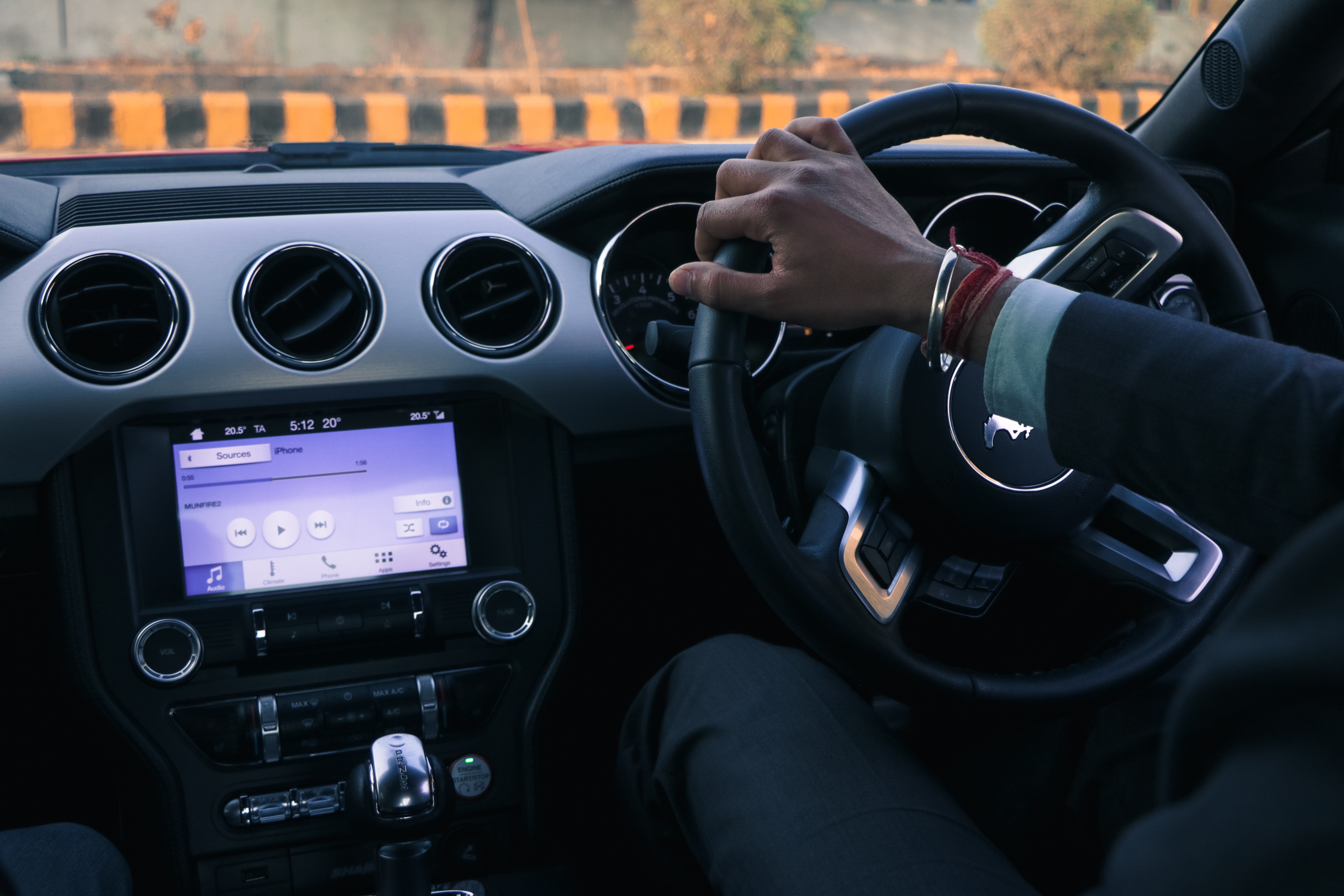
For individuals with Autism Spectrum Disorders (ASD), sensory processing differences can significantly impact their driving experience. Sensory stimuli while on the road can lead to sensory overload, affect responsiveness, and present safety concerns. In this blog post, we will explore how sensory processing differences can affect driving and provide practical solutions for drivers with ASD to handle sensory challenges on the road. With guidance from their driving school and instructor, individuals with ASD can navigate the roads confidently and safely.
Sensory Processing Differences and Driving
Understanding sensory processing differences in individuals with ASD is essential for driving instructors to provide appropriate support during driving lessons. Sensory processing differences can affect how drivers perceive and respond to sensory stimuli, which in turn can impact their driving performance and safety. Identifying these differences early on allows driving instructors to tailor their approach and create an inclusive learning environment.
Sensory Overload: Recognizing the Signs
Sensory overload occurs when an individual is overwhelmed by sensory stimuli. While driving, sensory overload can lead to distraction, anxiety, and impaired focus. Driving instructors should recognize common triggers for sensory overload during driving lessons and be alert to signs of sensory overload in their learners with ASD.
Strategies for Managing Sensory Overload
Creating a sensory-friendly driving environment is crucial for drivers with ASD. Driving schools can equip vehicles with adaptive features to minimize sensory distractions and provide a calm atmosphere. Additionally, teaching drivers coping strategies, such as deep breathing exercises or sensory tools, can help manage sensory overload while on the road.
Sensory Under-Responsivity and Driving
Sensory under-responsivity can result in delayed responses to sensory stimuli. This can be concerning while driving, as quick reactions are vital for safety. Driving instructors can address challenges related to sensory under-responsivity by incorporating activities that enhance responsiveness during driving lessons.
Sensory-Seeking Behaviors: Safety Concerns
Some individuals with ASD may engage in sensory-seeking behaviors while driving, which can pose safety risks. Driving instructors should be aware of these behaviors and provide strategies to address them during driving lessons. Emphasizing the importance of adhering to safe driving practices and avoiding distractions is essential.
Visual Sensitivities and Glare Reduction
Visual sensitivities can make driving challenging, especially in bright or glaring conditions. Driving instructors can provide guidance on glare reduction techniques and recommend adaptive eyewear to improve visibility. Adjusting the vehicle's interior to minimize visual distractions also helps drivers with visual sensitivities focus better on the road.
Auditory Sensitivities and Noise Management
For drivers with auditory sensitivities, noise distractions can be overwhelming. Driving schools can offer strategies for managing noise distractions through vehicle modifications and sound insulation. Additionally, drivers should be prepared to deal with unexpected auditory stimuli on the road and employ coping techniques.
Sensory Integration Techniques for Driving
Sensory integration techniques can be beneficial for improving driving skills. Driving instructors can incorporate sensory-motor activities into driving lessons, enhancing drivers' ability to process sensory information while driving. These techniques help drivers develop a greater sense of control and comfort on the road.
Preparing for Sensory Challenges on the Road
Education and preparation are key for drivers with ASD to handle sensory challenges on the road. Driving instructors can educate drivers about potential sensory challenges they may encounter and encourage self-awareness and self-advocacy during driving lessons. Equipping drivers with coping strategies enables them to navigate sensory stimuli with confidence.
Gradual Exposure and Desensitization
Gradual exposure to sensory challenges is an effective approach for drivers with ASD to adapt to new driving experiences. Driving instructors can employ desensitization techniques to help drivers overcome specific sensory challenges. Incremental progress builds drivers' confidence and reduces anxiety over time.
Frequently Asked Questions (FAQs)
Q1. Can sensory processing differences affect driving performance in individuals with ASD?
A1. Yes, sensory processing differences can significantly impact driving performance in individuals with ASD. Sensory stimuli can lead to sensory overload, affect responsiveness, and create safety concerns while on the road.
Q2. How can driving instructors help drivers with ASD manage sensory challenges on the road?
A2. Driving instructors can help drivers with ASD manage sensory challenges by creating a sensory-friendly driving environment, providing coping strategies, and incorporating sensory integration techniques into driving lessons.
Q3. Are there specific techniques to reduce visual and auditory sensitivities while driving?
A3. Yes, there are techniques to reduce visual sensitivities, such as using glare reduction techniques and adaptive eyewear. For auditory sensitivities, driving schools can recommend vehicle modifications and sound insulation to manage noise distractions.
Q4. How can drivers with ASD prepare for sensory challenges while driving?
A4. Drivers with ASD can prepare for sensory challenges by staying informed about potential triggers and developing coping strategies. Self-awareness and self-advocacy are essential skills that help drivers navigate sensory stimuli confidently.
Q5. Can gradual exposure and desensitization be beneficial for drivers with ASD?
A5. Yes, gradual exposure and desensitization are effective approaches for drivers with ASD to adapt to sensory challenges. These techniques help drivers build confidence and reduce anxiety, enabling them to navigate the roads more comfortably.
Conclusion
Sensory processing differences can significantly impact driving for individuals with ASD. By understanding these challenges and providing practical solutions, driving schools and instructors can create an inclusive learning environment. Equipping drivers with coping strategies and gradually exposing them to sensory stimuli will enable them to confidently navigate the roads and enjoy a positive driving experience. With patience, support, and tailored guidance, drivers with ASD can develop the skills to handle sensory challenges on the road and drive safely and confidently.


