


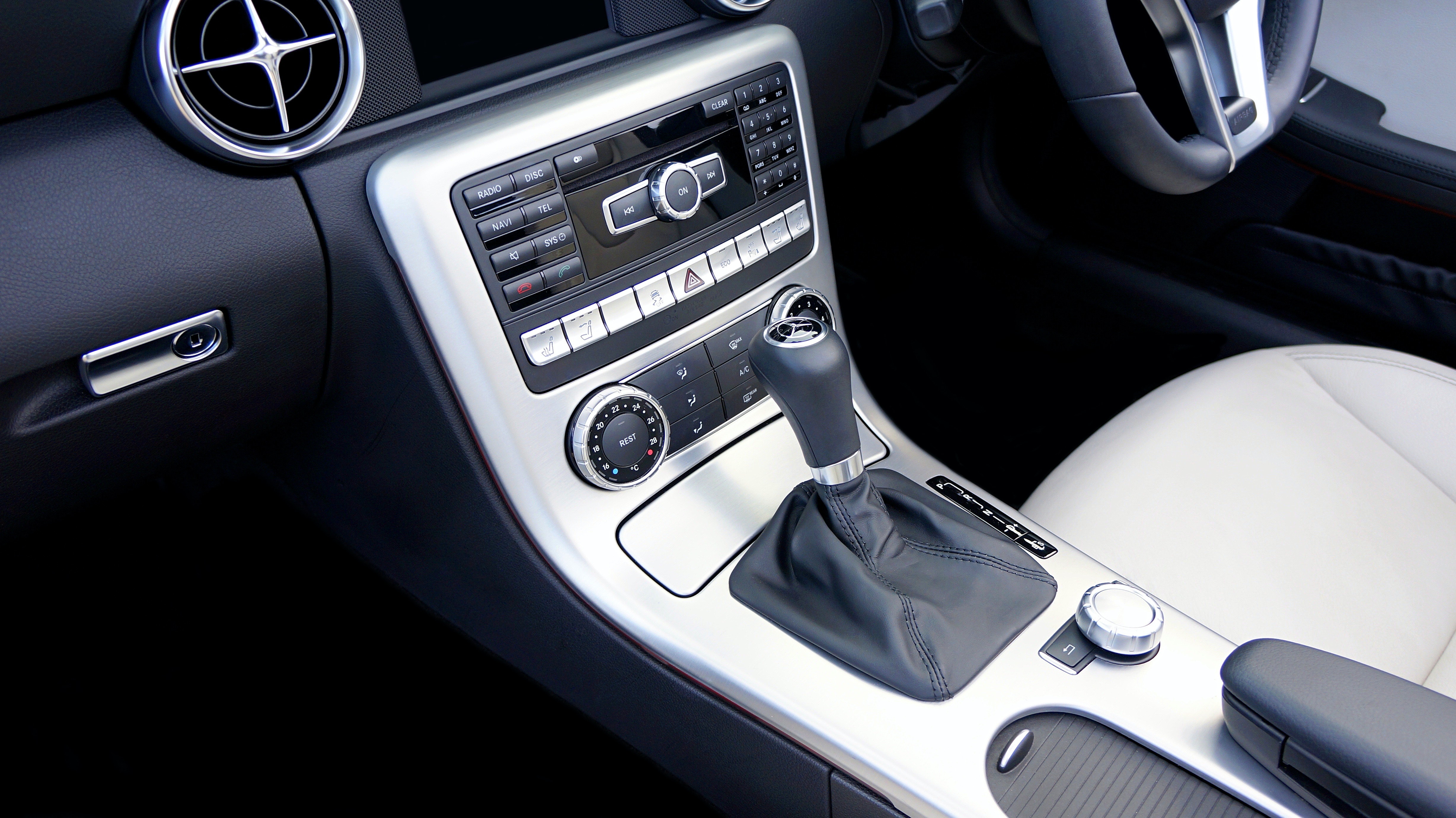
Welcome to Part 1 of our blog series on automatic transmission driving. In this segment, we will delve into the fundamentals of automatic transmissions, explaining how they work, their advantages, and why mastering automatic transmission driving is crucial before hitting the road. Whether you're a novice driver or transitioning from a manual transmission, this knowledge will serve as the foundation for becoming a confident and skilled automatic driver.
1. What is an Automatic Transmission?
Automatic transmissions are a type of vehicle transmission that eliminates the need for manual gear shifting. Unlike manual transmissions, which require drivers to engage and disengage gears using a clutch pedal, automatic transmissions handle gear changes automatically. This design simplifies the driving process, making it more accessible for a wide range of drivers.
Automatic transmissions consist of several key components, each playing a vital role in ensuring smooth gear shifts and efficient power transfer. These components include the torque converter, planetary gear sets, bands, and clutches.
2. How Automatic Transmissions Work
2.1 Torque Converter
The torque converter is a critical component in automatic transmissions. It serves as a fluid coupling that transfers power from the engine to the transmission. Unlike a manual transmission, which uses a clutch to engage the engine with the transmission, the torque converter allows the car to remain stationary while the engine is running without stalling. As the vehicle accelerates, the torque converter transmits engine power to the transmission, enabling smooth acceleration.
2.2 Planetary Gear Sets
Planetary gear sets are responsible for providing different gear ratios in an automatic transmission. These gear sets consist of sun gears, planet gears, and ring gears. By engaging and disengaging these gears, the transmission can smoothly shift from one gear ratio to another. This process ensures a seamless driving experience without the need for manual intervention.
2.3 Bands and Clutches
Bands and clutches play a crucial role in controlling gear engagement in automatic transmissions. Bands are flexible metal bands that wrap around specific sections of planetary gear sets to hold gears in place, while clutches use friction plates to engage and disengage gears. By activating the appropriate bands and clutches at the right time, automatic transmissions achieve smooth and precise gear shifts.
3. Advantages of Automatic Transmissions
3.1 Ease of Use in Traffic
Driving in heavy traffic can be stressful, but with an automatic transmission, it becomes much more manageable. The automatic gear changes allow drivers to focus more on the road and traffic conditions, reducing the cognitive load and making stop-and-go driving less taxing.
3.2 Reduced Driver Fatigue
Long journeys can be exhausting, especially when driving a manual transmission car. However, automatic transmissions eliminate the need for constantly operating the clutch pedal and shifting gears manually. This reduction in physical effort significantly reduces driver fatigue during extended trips.
3.3 Smooth Driving Experience
One of the standout features of automatic transmissions is their ability to deliver a smooth driving experience. With seamless gear changes, passengers can enjoy a comfortable ride, free from the jerkiness that may occur with manual gear shifts.
In conclusion, understanding the basics of automatic transmissions is essential before stepping into a car with automatic transmissions. Knowing how these systems work and their advantages will enable you to make the most of your driving experience and increase your overall driving confidence.
Driving School, Driving Instructor, and Driving Lesson
If you're new to driving or looking to transition from a manual to an automatic transmission, enrolling in a reputable driving school is highly recommended. A qualified driving instructor will guide you through the learning process, providing valuable insights and practical tips specific to automatic driving. Driving lessons tailored to automatic transmissions will help you gain hands-on experience and build your skills in a safe and supportive environment.
Frequently Asked Questions
Q: Is it easier to learn to drive with an automatic transmission?
A: Many beginners find automatic transmissions easier to learn, as they eliminate the need for manual gear shifting and clutch operation. This simplicity allows learners to focus on other essential aspects of driving, such as road awareness and safe driving practices.
Q: Can I drive both manual and automatic cars once I learn with an automatic transmission?
A: Yes, learning to drive with an automatic transmission doesn't restrict you from driving manual cars. However, if you pass your driving test with an automatic license, you may need to take an additional test to obtain a manual driving license.
Q: Are there any disadvantages to driving an automatic car?
A: While automatic transmissions offer numerous advantages, they may have slightly lower fuel efficiency compared to well-driven manual cars. Additionally, some driving enthusiasts prefer the sense of control and engagement that comes with driving a manual transmission.
Q: Can you switch between different driving modes in an automatic car?
A: Yes, many modern automatic cars offer various driving modes such as "Eco," "Sport," or "Manual." These modes allow you to optimize your driving experience for fuel efficiency, performance, or manual gear selection using paddle shifters.
Disclaimer: Driving regulations and licensing requirements may vary depending on your country or state. Always follow local laws and guidelines when learning to drive and obtaining your driver's license.
Conclusion
Understanding the basics of automatic transmission driving is essential for building confidence and becoming a skilled driver. Automatic transmissions offer convenience, reduced fatigue, and a smooth driving experience. Enrolling in a driving school and learning from a qualified instructor will help you develop the necessary skills to handle various driving scenarios. Stay tuned for Part 2, where we'll guide you through the initial steps of learning to drive with an automatic transmission. Happy driving!


