


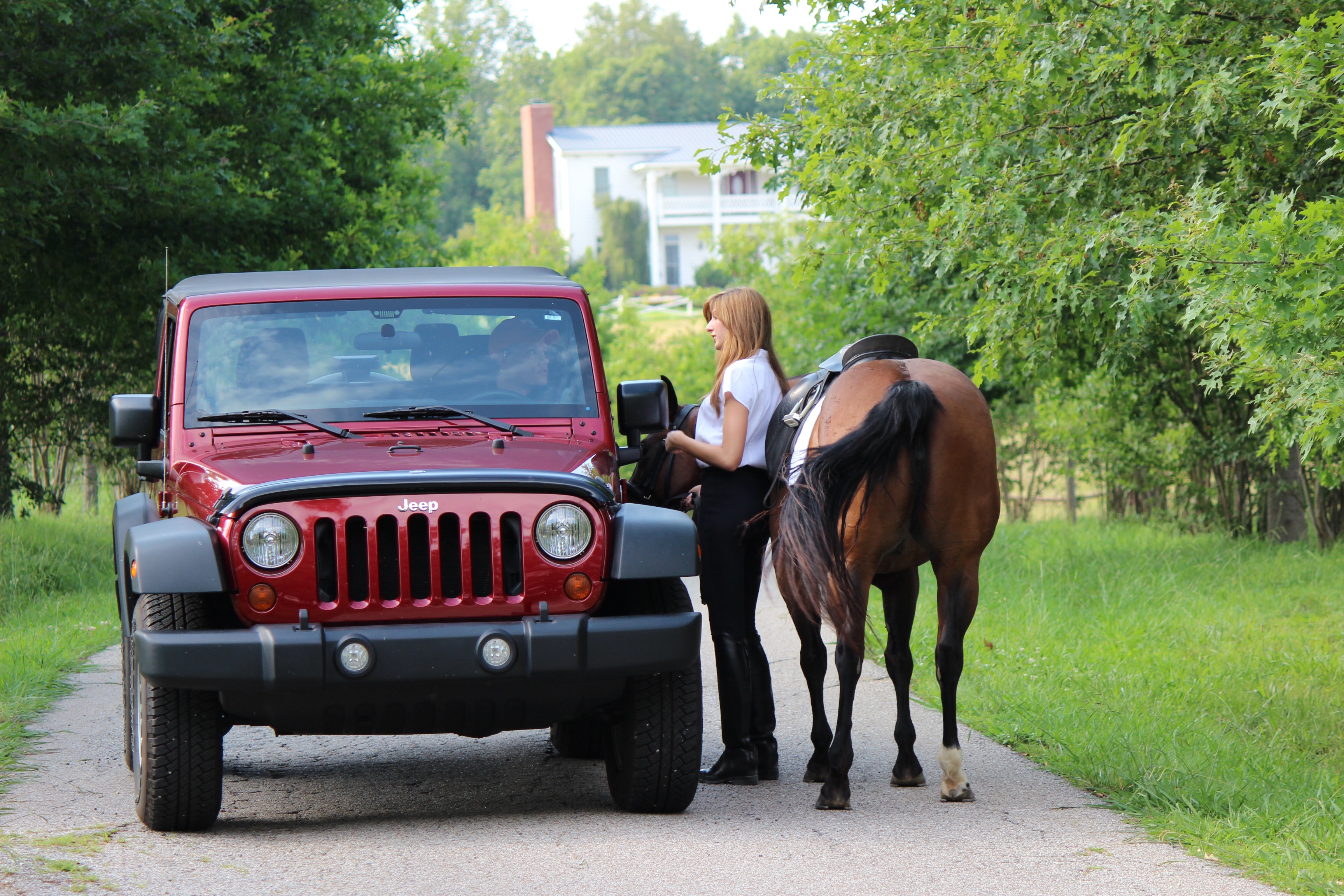
Driving on the roads, particularly in areas with wildlife, comes with the risk of animal collisions. These incidents not only pose a threat to the safety of drivers and passengers but also have consequences for the animals involved. In this blog post, we will delve into the importance of defensive driving in avoiding animal collisions, specifically focusing on the context of Brisbane. Additionally, we will highlight the benefits of attending a driving school to enhance your defensive driving skills, thereby mitigating the risks associated with encounters with animals.
Understanding the Risks of Animal Collisions
- The Frequency of Animal Collisions in Brisbane: Brisbane, like many other regions, is known for its diverse wildlife. Consequently, animal collisions on the roads are not uncommon. Understanding the frequency of such incidents can shed light on the significance of defensive driving in this context.
- Potential Dangers and Consequences of Animal Collisions: Animal collisions can lead to severe consequences, including property damage, injuries, and even fatalities. Additionally, hitting animals can cause harm to the wildlife population and negatively impact the ecosystem.
The Significance of Defensive Driving
What is Defensive Driving?
Defensive driving is an approach to operating a vehicle that emphasizes proactive measures to prevent accidents. It involves being aware of potential hazards, anticipating risks, and taking necessary actions to ensure the safety of oneself and others on the road.
Benefits of Defensive Driving in Animal Collision Avoidance:
Defensive driving techniques play a crucial role in avoiding animal collisions. By adopting defensive driving practices, drivers can enhance their ability to detect and respond to potential animal hazards effectively.
Attending a Driving School for Enhanced Defensive Driving Skills
- Comprehensive Education and Training: Most driving schools provide comprehensive education and training that focus on defensive driving skills. They offer theoretical knowledge and practical experience to equip drivers with the necessary tools to navigate challenging situations, including animal encounters.
- Professional Guidance from Experienced Instructors: Attending a driving school allows individuals to receive guidance from experienced instructors who possess a deep understanding of defensive driving strategies. These instructors can provide valuable insights and personalized instruction to help drivers develop the skills required to avoid animal collisions.
- Practical Experience in Animal Collision Avoidance: Driving schools often incorporate specific training modules or lessons that address animal collision avoidance. By engaging in practical exercises and simulations, drivers can develop the necessary instincts and reflexes to handle encounters with animals on the road.
The Role of Defensive Driving Techniques
- Scanning the Road Ahead: One key aspect of defensive driving is maintaining a vigilant and proactive approach. Scanning the road ahead allows drivers to detect any potential signs of animals, such as movement near the road or reflective eyes, enabling them to react in a timely manner.
- Maintaining a Safe Speed: Driving at an appropriate speed is crucial for avoiding animal collisions. Adhering to speed limits and adjusting speed according to road conditions and visibility can provide drivers with more time to react to animal presence.
- Using High Beams and Fog Lights Appropriately: Proper usage of headlights is essential, especially at night or in low-light conditions. Utilizing high beams when there is no oncoming traffic can help illuminate the road and increase the chances of spotting animals from a distance.
- Reacting Safely to Animal Encounters: In the event of an animal crossing the road, defensive driving techniques such as braking firmly, but not abruptly, and steering to avoid the animal, if safe to do so, can help minimize the risk of collision.
Frequently Asked Questions (FAQs) Related To 'Driving Schools In Brisbane'
Q1: How can attending a driving school improve my defensive driving skills?
A: Attending a driving school provides structured education and training that focuses on defensive driving techniques. Through professional guidance and practical experience, driving schools can significantly enhance your defensive driving skills.
Q2: Can defensive driving techniques really help in avoiding animal collisions?
A: Yes, defensive driving techniques play a crucial role in avoiding animal collisions. By staying alert, scanning the road, maintaining a safe speed, and reacting appropriately, drivers can minimize the chances of colliding with animals on the road.
Q3: Are there any specific tips for driving safely in areas prone to animal encounters?
A: Yes, driving in areas with a higher likelihood of animal encounters requires extra caution. Some tips include reducing speed, especially at dawn and dusk when animals are more active, using high beams when appropriate, and being prepared to react if an animal appears on the road.
Q4: What should I do if I encounter an animal on the road?
A: If you encounter an animal on the road, it's important to stay calm, slow down, and avoid sudden maneuvers. If it is safe to do so, brake firmly but steadily, and if necessary, steer to avoid the animal without endangering yourself or other road users.
Q5: Are there any regulations or laws regarding animal collisions in Brisbane?
A: It is advisable to familiarize yourself with local traffic regulations and laws pertaining to animal collisions in Brisbane. Additionally, reporting animal collisions to the appropriate authorities can help prevent further accidents and assist in wildlife preservation efforts.
Conclusion
Defensive driving is paramount in avoiding animal collisions and ensuring the safety of both drivers and animals. By attending a driving school, individuals can enhance their defensive driving skills through comprehensive education, professional guidance, and practical experience. By adopting defensive driving techniques, such as scanning the road, maintaining a safe speed, and reacting appropriately to animal encounters, drivers can reduce the risk of collisions and contribute to a safer road environment for all.


