


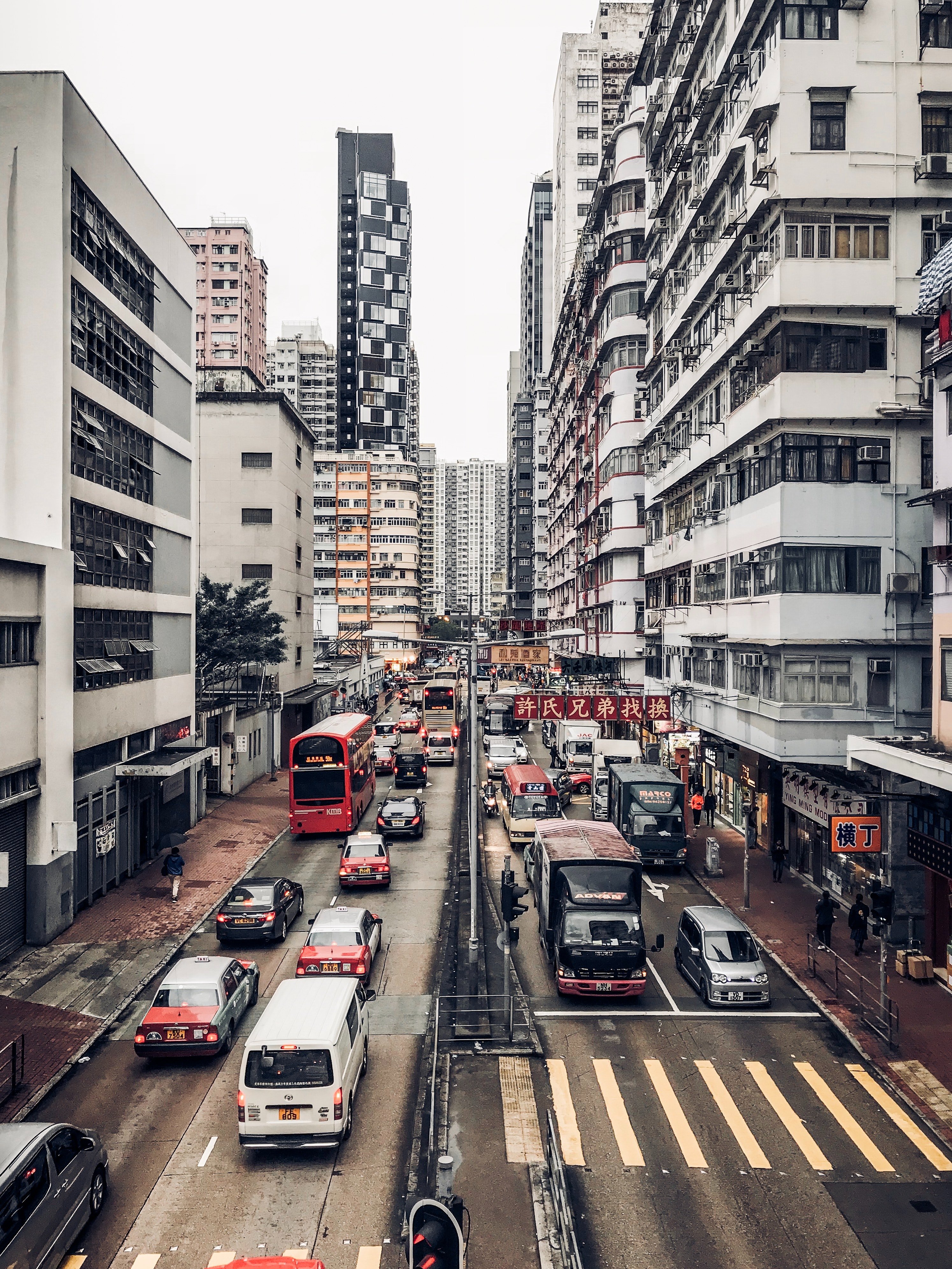
Driving in a busy city like Brisbane can be a challenging and sometimes stressful experience. With heavy traffic, congested streets, and unpredictable drivers, it's essential to practice defensive driving techniques to ensure your safety and the safety of others on the road. In this blog post, we will explore the importance of defensive driving, how attending a driving school can benefit you, and provide valuable information about your driving lessons and driving tests.
The Importance of Defensive Driving in Brisbane
Defensive driving is a set of skills and techniques that help you anticipate and respond to potential hazards on the road. It involves staying alert, being aware of your surroundings, and actively taking steps to prevent accidents. In busy city traffic, where conditions can change rapidly, defensive driving becomes even more crucial.
A. Anticipating and Responding to Potential Hazards:
Brisbane's busy city traffic often presents various hazards such as sudden lane changes, pedestrians crossing unexpectedly, and vehicles making abrupt stops. By practising defensive driving, you can develop the ability to anticipate these hazards and respond quickly and safely, reducing the risk of accidents.
B. Maintaining Safe Distances and Speeds:
In congested city traffic, it's important to maintain a safe following distance from the vehicle in front of you. Defensive driving emphasizes keeping a proper space cushion, allowing you enough time to react to sudden stops or changes in traffic flow. Additionally, adhering to speed limits and adjusting your speed according to traffic conditions ensures safer maneuvering.
C. Managing Aggressive and Distracted Drivers:
Aggressive driving and distracted driving are common issues in busy cities. Defensive driving equips you with techniques to handle aggressive drivers, such as avoiding confrontations and giving them plenty of space. It also emphasizes the importance of staying focused on the road, minimizing distractions, and being mindful of other drivers' behaviour.
D. Adhering to Traffic Laws and Regulations:
Defensive driving goes hand in hand with obeying traffic laws and regulations. Understanding and following the rules of the road are essential for maintaining order and safety in busy city traffic. Defensive driving techniques emphasize the importance of signalling, using mirrors effectively, and obeying traffic signals and signs.
The Benefits of Attending a Driving School in Brisbane
A. Professional Instruction from Qualified Instructors:
Driving schools in Brisbane provide professional instruction from qualified instructors who are knowledgeable about defensive driving techniques. They can guide you through the learning process, ensuring you understand the principles of defensive driving and how to apply them effectively.
B. Comprehensive Curriculum on Defensive Driving Techniques:
Driving schools offer comprehensive curricula that cover various aspects of defensive driving. They teach you how to recognize potential hazards, make informed decisions, and develop the necessary skills to handle challenging situations on the road.
C. Hands-On Practice in Real Traffic Scenarios:
Attending a driving school gives you the opportunity to practice defensive driving techniques in real traffic scenarios. Instructors often take students on practical lessons where they navigate through busy city streets, providing valuable hands-on experience that builds confidence and improves your ability to handle challenging driving situations.
D. Familiarity with Local Traffic Laws and Road Regulations:
Most driving schools in Brisbane ensure that you are familiar with the specific traffic laws and road regulations of the city. This knowledge is essential for navigating the unique challenges of city traffic and staying compliant with local laws.
E. Building Confidence and Reducing Anxiety:
By receiving professional guidance and practising defensive driving techniques, attending a driving school can significantly increase your confidence behind the wheel. This newfound confidence helps reduce anxiety and improves your overall driving experience, making you a safer and more comfortable driver in busy city traffic.
Driving Lessons in Brisbane: What to Expect
- Structured Curriculum Tailored to Your Skill Level: Driving schools in Brisbane offer structured curricula that are tailored to your skill level. Whether you are a beginner or an experienced driver, the curriculum is designed to meet your specific needs and gradually enhance your defensive driving skills.
- In-Car Instruction and Guidance: Driving lessons typically involve in-car instruction and guidance from experienced instructors. They provide real-time feedback, correct any mistakes, and help you develop good driving habits. In-car instruction allows you to practice defensive driving techniques under the guidance of a professional.
- Preparing for the Driving Test: Driving schools also prepare you for the driving test required to obtain your driver's license. They familiarize you with the test requirements, help you practice essential skills, and ensure you are well-prepared to demonstrate your defensive driving abilities during the test.
Frequently Asked Questions Related To 'Defensive Driving Lessons In Brisbane'
Q1: How long does it take to complete driving lessons in Brisbane?
A1: The duration of driving lessons in Brisbane varies depending on individual progress and the chosen driving school. It can range from a few weeks to several months.
Q2: Can attending a driving school reduce my insurance premiums?
A2: Attending a driving school may potentially lead to insurance premium reductions. It is recommended to check with your insurance provider for specific details and eligibility criteria.
Q3: What documents do I need to bring for my driving test?
A3: When going for your driving test, you typically need to bring your learner's permit, identification documents (e.g., passport or driver's license), and any required forms or paperwork provided by the licensing authority.
Q4: How many hours of practice should I have before taking the driving test?
A4: The number of practice hours before taking the driving test can vary, but it is generally recommended to have a minimum of 50 to 100 hours of practice, including both supervised and independent driving, to ensure readiness.
Q5: Can I take driving lessons if I already have a driver's license?
A5: Yes, even if you already have a driver's license, you can still take driving lessons to enhance your skills, improve defensive driving techniques, or address specific areas of concern.


