


Wet weather is a normal part of life in Queensland, especially in Brisbane. Heavy rain, sudden storms, and slick roads can turn an easy drive into a stressful one. One of the most important safety factors in these conditions is tyre grip. Many drivers focus on speed or braking, but tyres are what connect your car to the road. Without a good grip, even the best driver can lose control.
At No Yelling Driving School, we teach learners that confidence and enjoyment come from understanding how the car really works. Tyre grip is a key part of high-quality driver's education, especially for new drivers who are still building their skills.
What tyre grip really means
Tyre grip is the amount of friction between your tyres and the road surface. In dry weather, tyres grip well because rubber sticks to the road. In wet weather, water sits between the tyre and the road, reducing friction. This makes it easier to slide, skid, or hydroplane.
In Brisbane, roads often stay wet even after the rain stops. Oil and dirt rise to the surface when rain first falls, making roads extra slippery. This is why tyre grip matters so much during and after storms.
How wet roads affect stopping and steering
When tyres lose grip, stopping distances increase. At 60 km/h on a wet road, your car can take much longer to stop than in dry conditions. Steering is also affected. If tyres cannot grip the road, the car may not go where you point it.
This is a common issue we see during driving lessons. Learners may turn the wheel correctly, but the car still slides wide on a wet corner. Understanding tyre grip helps drivers stay calm and make safer choices.
Tread depth and why it matters
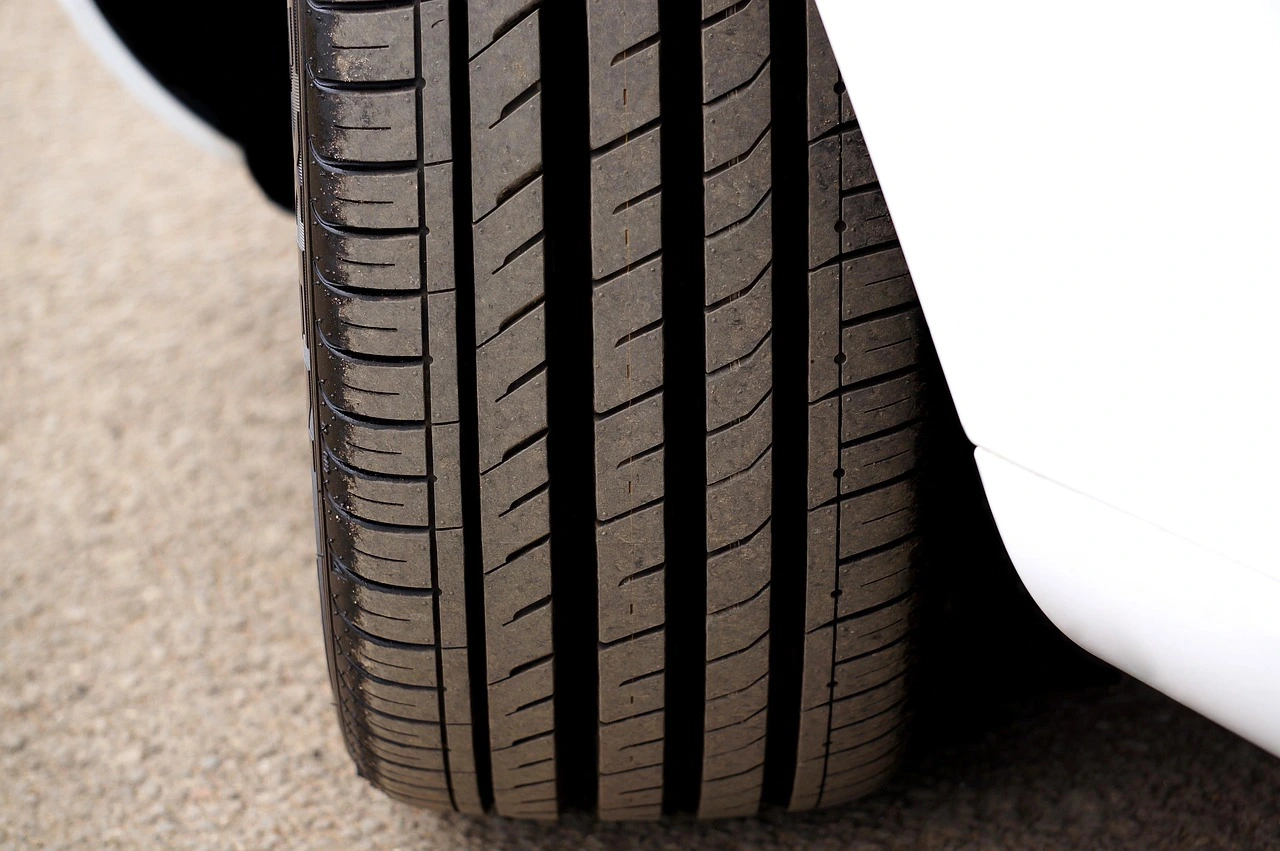
Tyre tread is designed to push water away from the tyre so the rubber can touch the road. Worn tyres cannot clear water properly, increasing the risk of hydroplaning. In Queensland, the legal minimum tread depth is 1.5 mm, but this is not ideal for wet weather.
For safer driving in Brisbane rain:
Check tyre tread every month
Replace tyres before they reach the legal minimum
Use a tread gauge or the built-in wear indicators
Good tread improves grip, reduces stress, and makes wet driving feel more controlled and enjoyable.
Correct tyre pressure in wet weather
Tyre pressure also affects grip. Under-inflated tyres flex too much and reduce control. Over-inflated tyres have less contact with the road, which lowers grip on wet surfaces.
During behind-the-wheel training, learners are taught to:
Check tyre pressure when tyres are cold
Follow the vehicle manufacturer’s recommended pressure
Recheck pressure during seasonal changes
Correct pressure helps tyres clear water better and improves steering response in rain.
Speed choice and smooth inputs
Even with good tyres, grip has limits. Wet roads require slower speeds and smoother actions. Sudden braking, sharp turns, or fast acceleration can break traction.
In driving lessons, we coach learners to:
Reduce speed before corners, not during them
Brake gently and earlier than usual
Accelerate smoothly from traffic lights
These habits protect tyre grip and build confidence, especially for nervous drivers and parents teaching teens.
How tyre grip affects new and anxious drivers
Learners often feel anxious in wet weather because the car feels different. Steering may feel light, and braking may feel delayed. Understanding tyre grip removes fear and replaces it with knowledge.
At No Yelling, we explain what the car is doing and why. This approach helps learners relax and enjoy driving, even in challenging conditions. Strong education leads to safer choices and better control.
Practical tyre checks for Brisbane drivers
Drivers who want to feel safer in wet Queensland weather should:
Inspect tyres for uneven wear or damage
Replace tyres that are old or cracked, even if the tread looks fine
Match tyre types across the same axle
Avoid cheap tyres with poor wet-weather ratings
These steps support safer driving and align with the values of a quality driving school experience.
Teaching tyre awareness early
For teens and young adults who are learning to drive, tyre knowledge should start early. Parents can help by:
Showing learners how to check tread and pressure
Talking about wet weather risks before storms
Encouraging slower speeds in the rain
This reinforces what learners experience during driver's education and helps them become confident, responsible drivers.
Understanding tyre grip is not just about car maintenance. It is about control, safety, and enjoyment. When drivers trust their tyres and know their limits, wet weather driving becomes less stressful and more predictable. This knowledge is a key part of high-quality driving education in Brisbane’s unique climate.


