


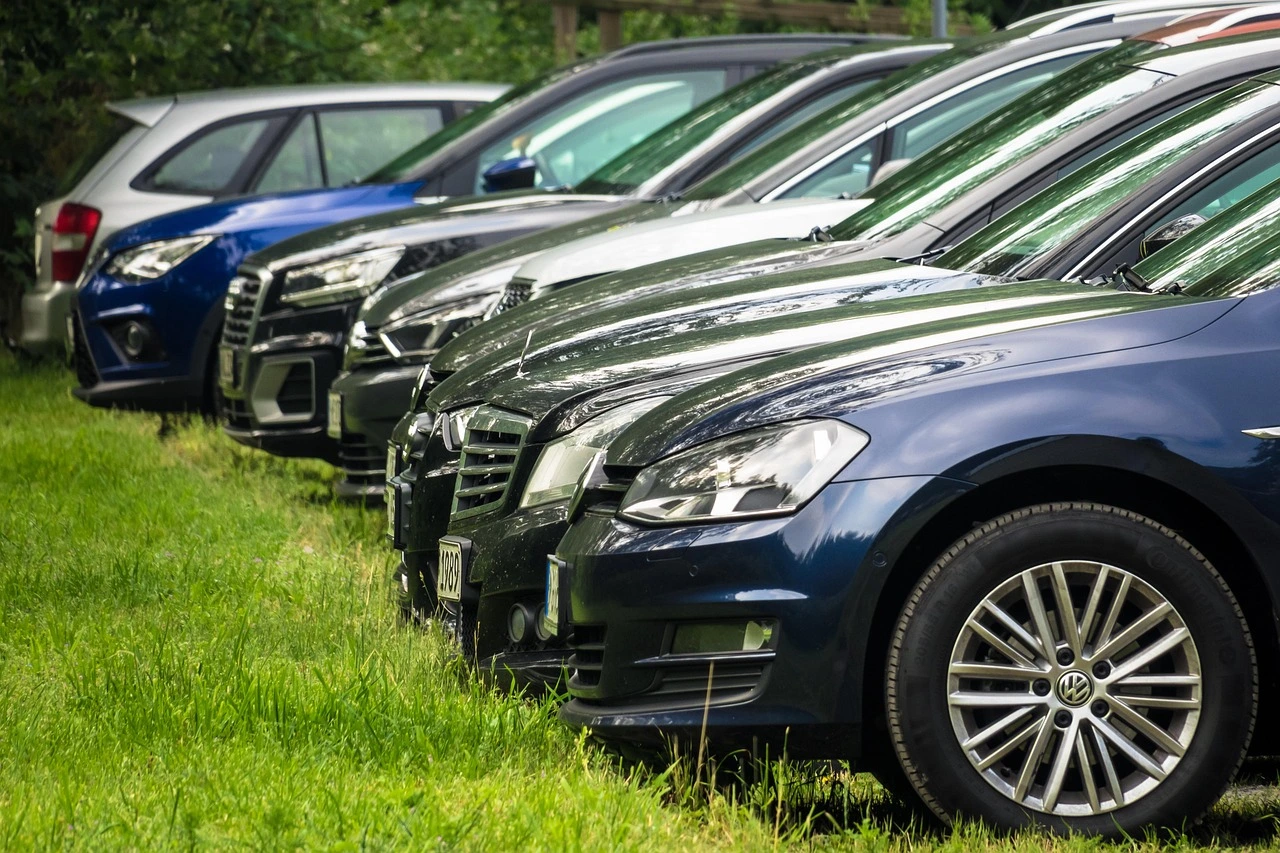
Parking in a tight spot can feel stressful, especially for new drivers or anyone still building confidence behind the wheel. With the right habits and a calm approach, it becomes much easier to handle narrow bays, busy shopping centres, and tight street parking. These tips can help learners and experienced drivers improve their skills, whether you’re taking Driving lessons, working through Driving test preparation, or trying to Learn to drive with more confidence.
Understanding Your Space
Before starting your park, take a moment to assess the area. Look at how much room you have on each side, the length of the space, and whether nearby vehicles are parked straight. This short pause helps you plan your approach and reduces pressure. Many learners in Brisbane, the Gold Coast, Ipswich, and Melbourne find that this quick scan helps them feel more in control.
Go Slow and Stay Steady
Slow speed gives you more control. When you move slowly, small adjustments to the steering wheel make a big difference. Going slow also helps you stay calm, which is useful if you deal with Driving Lessons Anxiety Brisbane or similar concerns in other cities. In No Yelling Driving Lessons, our Professional driving instructors encourage steady, easy movements during tight-space parking.
Use Reference Points
Many tight-space parking techniques rely on simple reference points. These might be the line markings, the car next to you, or a pole or curb. Reference points help you stay centred and avoid drifting too close to one side. For example, when angle parking, lining your side mirror with the midpoint of the parking bay next to you can help guide your entry.
Maximise Your Mirror Use
Your side mirrors and rearview mirror play a crucial role. Adjust them properly before driving, especially during Behind-the-wheel training or Driving lessons beginner Brisbane and other locations. Good mirror positioning gives you a clear view of nearby vehicles, lines, or obstacles. If your car has sensors or a backup camera, use them as support—not as your only guide.
Practice Reverse Parking
Reverse parking can feel harder at first, but it often gives more control in tight spaces. It lets you angle the car more accurately and enter the bay at a slower pace. Many students in Defensive driving courses and Driver training programs find reverse parking easier once they learn the basic steps. During Private driving lessons or Adult driving lessons, instructors often teach reverse parking as a key skill for urban driving.
Watch Your Wheels
Your front wheels control your car’s direction, so keep an eye on how much you are turning the steering wheel. In many cases, small adjustments are better than big, fast turns. This helps you avoid crossing the line or getting too close to the car beside you.
Keep a Safe Buffer
Even in a narrow space, try to leave as much room as possible between you and neighbouring cars. A small buffer reduces the risk of bumping doors or mirrors. If you need to adjust your position once parked, that’s completely normal. Many new drivers think adjusting is a sign of poor skill, but even experienced drivers in Local driving schools do it often.
Stay Patient
Parking in a tight space can take time, and that’s okay. Rushing increases stress and makes mistakes more likely. If another car is waiting, focus on your task. It’s better to complete your park safely than to hurry. This mindset is something we reinforce in all No Yelling packages and Driving lesson packages, where confidence and calm driving habits are key.


