


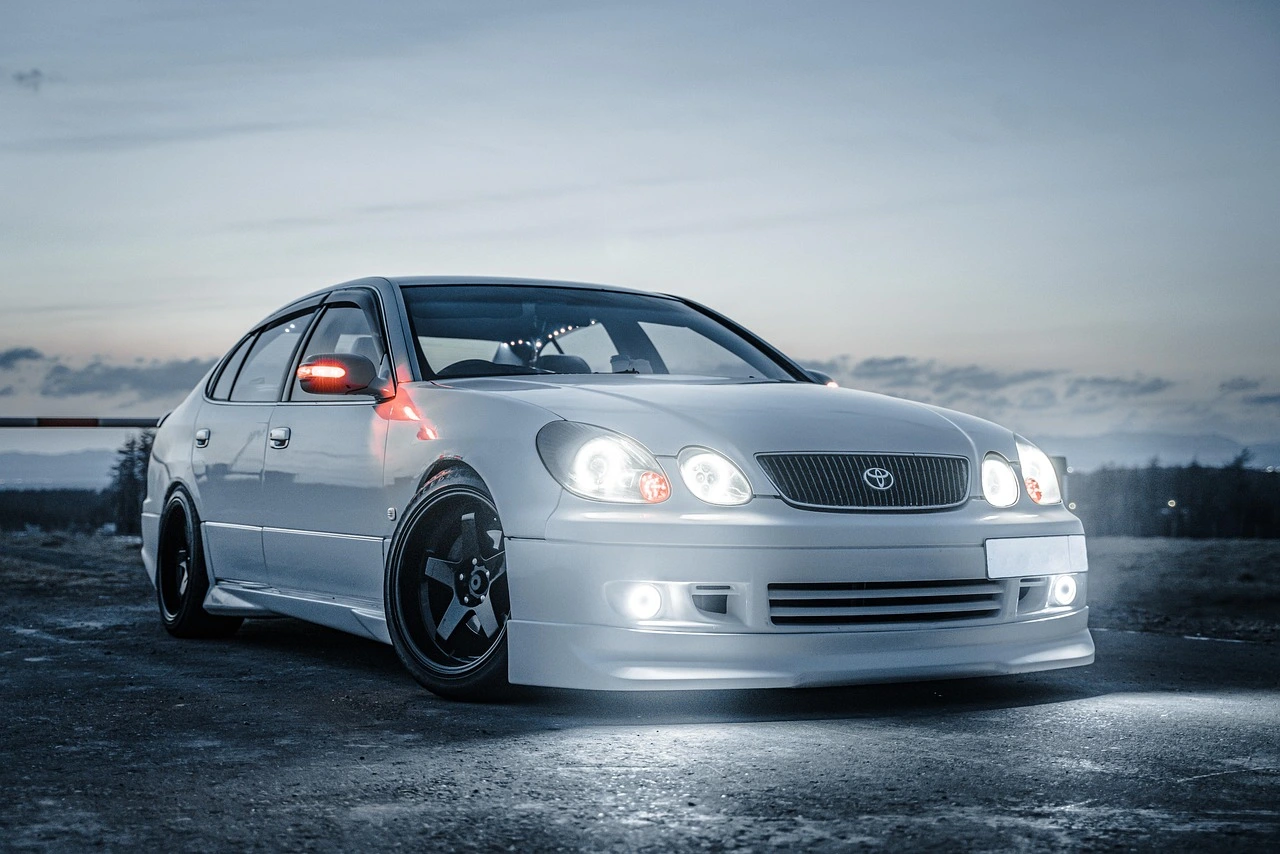
Hazard lights, often called emergency flashers, are one of the most misunderstood features in a vehicle. Many drivers use them in the wrong situations — or forget to use them when they’re truly needed. Learning how and when to use hazard lights correctly is an important part of driver’s education and helps improve road safety for everyone.
At No Yelling Driving School Brisbane, learners are taught not only how to control the car but also how to communicate clearly with other road users. Knowing how to use hazard lights the right way is one of the simplest yet most effective forms of communication on the road.
What Are Hazard Lights For?
Hazard lights are designed to warn other drivers that your vehicle is stopped or moving more slowly than usual and may pose a danger. They help alert others to proceed with caution.
In Queensland, proper hazard light use is covered during driving lessons Brisbane, where experienced driving instructors teach learners the local road rules and when these signals apply. Using hazard lights at the wrong time — like when parking illegally or warning about speed cameras — is not only unsafe but can also confuse other drivers.
When to Use Hazard Lights
Understanding when to use hazard lights is essential for safe driving. Here are the most common and correct uses:
- When your vehicle breaks down
If your car stalls or you experience a flat tyre, turn on your hazard lights immediately. This tells other drivers that your vehicle is not moving and could be blocking the lane. - When you’re pulled over for safety reasons
If you need to stop briefly on the side of the road, especially in poor visibility or on a highway shoulder, keep your hazard lights on to make your vehicle visible from a distance. - In hazardous weather conditions
Heavy rain, fog, or dust storms can make it hard for other drivers to see your car. During driving lessons, learners are taught to use hazard lights carefully in extreme weather, but only when visibility is dangerously low. - When your car is being towed
The towed vehicle should display hazard lights so others know it’s not in full control. - When your vehicle is moving significantly slower than traffic
For example, if you’re climbing a steep hill at a low speed or driving through a temporary mechanical issue, turning on hazard lights can warn drivers behind you to slow down.
When Not to Use Hazard Lights
Many drivers mistakenly use hazard lights when they shouldn’t. Misuse can confuse other drivers or make your signals unclear.
Avoid using hazard lights when:
- You’re double-parked or stopped illegally.
- You’re waiting in a drive-through line or drop-off zone.
- You’re warning other drivers about speed traps or police checks.
- You’re still driving normally in rain or traffic congestion.
During driving classes Brisbane, instructors at No Yelling Driving School remind students that hazard lights should not replace proper driving behaviour or road awareness.
The Importance of Clear Communication
Hazard lights are just one part of safe driving communication. Using them correctly shows awareness, responsibility, and respect for others on the road.
In defensive driving courses and behind-the-wheel training, students learn that clear communication helps prevent confusion and potential collisions. This includes proper use of indicators, brake lights, and hazard lights.
Instructors at No Yelling Driving School Brisbane also emphasise timing — turning your hazard lights on early enough for others to notice but not so early that the warning loses meaning.
Tips for Using Hazard Lights Safely
- Pull over safely before switching them on. Don’t stop abruptly or in unsafe areas.
- Check visibility conditions. If others can already see you clearly, hazard lights may not be necessary.
- Know your car’s controls. Before your first driving test Brisbane, make sure you can locate and use the hazard light button quickly — usually a red triangle symbol on the dashboard.
- Turn them off as soon as the hazard ends. Leaving hazard lights on unnecessarily can distract or confuse other drivers.
These habits can make your driving safer and more predictable — two key principles taught in every No Yelling Driving Lessons session.
Building Good Habits Early
Learners who understand the “why” behind every control become safer drivers in the long run. That’s why No Yelling Driving School focuses on more than just passing the Driving Test Brisbane — it’s about developing judgment, calmness, and awareness on the road.
Through structured driving lesson packages, professional driving instructors help students master all aspects of vehicle communication — from indicators and mirrors to hazard lights and brake signals. Each small skill adds up to a confident, capable driver who keeps both themselves and others safe.
At No Yelling Driving School Brisbane, every lesson builds toward independence and understanding. Knowing how to use hazard lights effectively isn’t just about following the rules — it’s about being thoughtful, responsible, and calm behind the wheel.


