


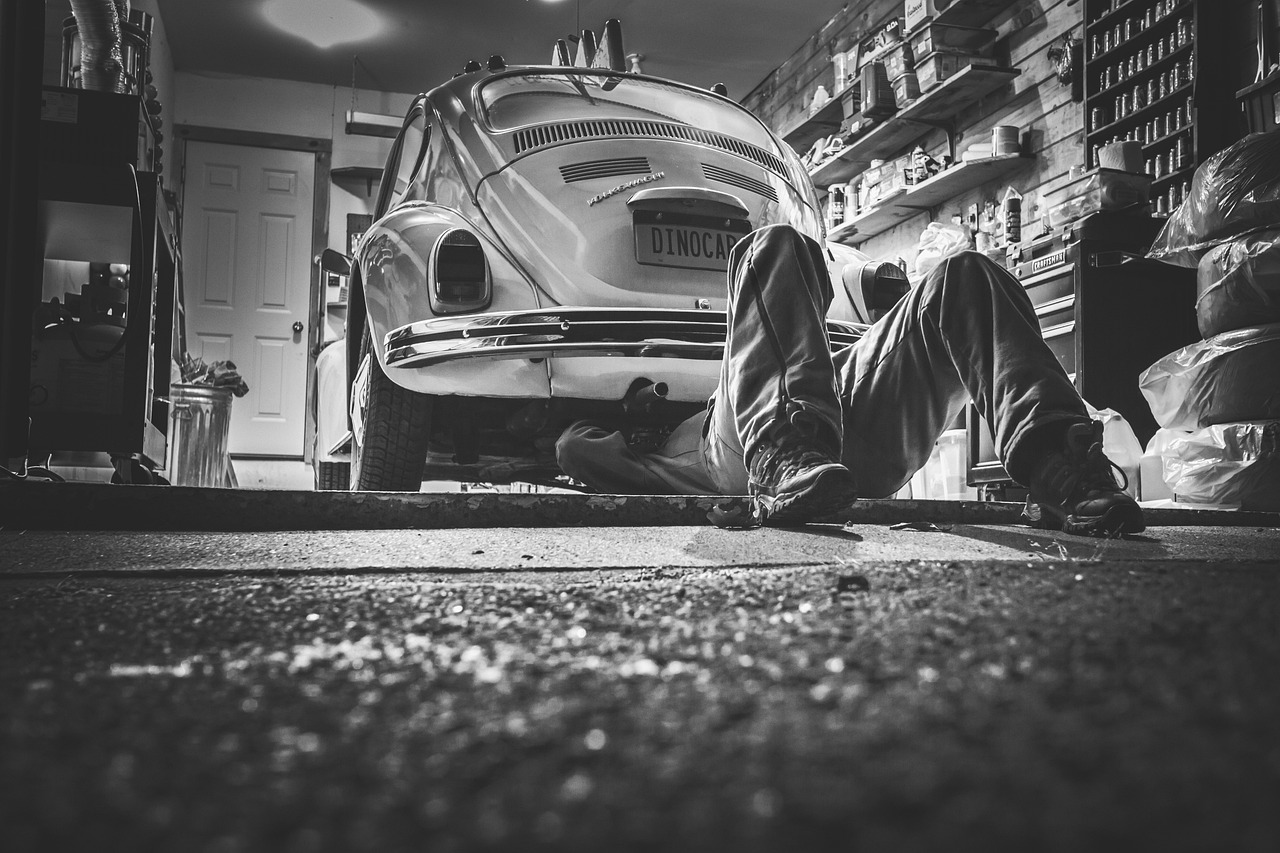
One of the most important parts of being a confident, safe driver is learning how to look after your car. Whether you’re just starting your driving lessons or preparing for your Driving Test Brisbane , understanding basic car maintenance can make a big difference. It can keep you safe, save you money, and help you enjoy the driving experience even more.
At No Yelling Driving School , we believe that high-quality driver’s education includes more than just turning the steering wheel and following the road rules. It’s also about knowing what’s under the hood—and why it matters.
1. Tyre Pressure and Tread
Your tyres are your car’s connection to the road. If they’re under-inflated, over-inflated or too worn out, your grip on the road gets worse—especially in Brisbane’s wet weather.
Check tyre pressure once a month. You’ll find the recommended pressure inside the driver’s door or in your owner’s manual. Most petrol stations have air pumps you can use for free.
Also, check the tread. The legal minimum depth in Queensland is 1.5mm, but more tread is better for wet conditions. A quick test: place a 20-cent coin into the tread. If the platypus bill is still partly covered, your tread is likely okay.
2. Engine Oil
Engine oil keeps the engine running smoothly. It lubricates moving parts and prevents damage.
To check oil:
- Turn the engine off and wait a few minutes.
- Pull out the dipstick, wipe it clean, then reinsert and remove it again.
- The oil level should be between the minimum and maximum marks.
If it's low, top it up with the right type of oil. You can find this in your car manual or ask a mechanic. Don’t overfill—it can cause damage, too.
3. Lights and Indicators
Before you learn to drive Brisbane roads at night or in rainy weather, you need working headlights, tail lights, brake lights, and indicators.
Do a walk-around check:
- Turn on the headlights and indicators.
- Ask a friend or parent to stand outside while you test the brake lights.
- Replace any dead bulbs as soon as possible. It’s cheap, quick, and avoids fines.
At No Yelling Driving School , our driving instructors Brisbane always remind learners that being seen is just as important as being able to see.
4. Windscreen Wipers and Washer Fluid
Queensland storms can come out of nowhere. Wipers that smear or leave streaks are dangerous.
Replace the blades at least once a year, or sooner if they squeak or miss parts of the windscreen. Also, keep the washer fluid topped up. Clear vision is a must for all driving classes Brisbane, especially during wet-season defensive driving courses.
5. Coolant and Radiator
Coolant keeps your engine from overheating. It’s vital in hot Brisbane summers.
Check the coolant level in the overflow tank (never open the radiator cap when the engine is hot). If it’s low, add a 50/50 mix of coolant and water—or use a premixed product.
This simple habit can help prevent breakdowns and engine damage, especially important for students preparing for Driving Test Ipswich or long-distance drives between suburbs.
6. Brake Fluid
Brakes are your most important safety system. Without enough brake fluid, you could lose braking power completely.
You’ll find the brake fluid reservoir under the bonnet. It’s usually labelled and easy to spot. The fluid should be between the minimum and maximum lines and should look clean. If it’s dark or low, see a mechanic.
Brake checks are also covered in many of our refresher driving lessons in Brisbane, because we know that safe stopping means confident driving.
7. Battery Health
Flat batteries are a common reason people get stuck. You can check for corrosion on the battery terminals and clean them gently with a brush and a mix of water and baking soda.
If your car is slow to start or you hear clicking when turning the key, it might be time for a new battery. Regular short drives can drain batteries, especially in newer cars packed with electronics.
8. Emergency Kit
Every learner should have a simple emergency kit:
- Jumper leads
- Torch
- Basic tools
- First aid kit
- Phone charger
Knowing how to handle a small issue on your own builds real confidence. Many of our teen driving lessons include tips on what to do if something goes wrong on the road.
Making It a Habit
Learning these checks doesn’t take long. Practice them every month or before longer trips. Just like your behind-the-wheel training , regular car care builds good habits.
Incorporating car maintenance into your driver’s education Brisbane journey helps you stay in control. It’s not just about passing your test. It’s about becoming a responsible, capable driver who enjoys being on the road.
If you’re working through your Driving Lessons Brisbane or preparing for your first car, talk to our professional driving instructors at No Yelling Driving School. We’ll help you become the kind of driver who’s not just safe—but also confident and ready for anything.


