


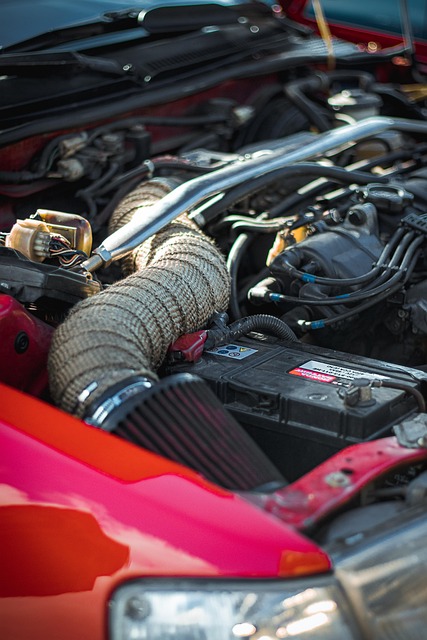
For many learner drivers, the engine is just something that makes the car go. But knowing the basics of what’s under the hood can help build real driving confidence. At No Yelling Driving School , we believe that part of high-quality driver's education is understanding how your car works—even if you're not planning to be a mechanic.
Understanding engines helps new drivers respond better to problems, take better care of their vehicles, and become safer on the road. Whether you're preparing for your Driving Test or just starting driving lessons , this kind of knowledge can set you apart.
The Basics of a Car Engine
The engine is the heart of the car. Most vehicles on Australian roads use either petrol or diesel internal combustion engines. These engines work by burning fuel to create small explosions that push pistons. Those pistons move up and down quickly, turning the crankshaft. This motion eventually turns the wheels of your car.
Modern engines are more efficient and powerful than ever, but they all follow this basic process. Knowing these steps can help you understand why things like oil levels and temperature matter.
Manual vs. Automatic: How the Engine Connects to the Wheels
In manual driving lessons , you’ll learn how to use a clutch to connect and disconnect the engine from the wheels. This lets you control the power better, especially in tricky conditions like hills or heavy traffic.
Automatic driving lessons , on the other hand, teach you to rely on the car’s transmission to do this job for you. Both types of vehicles use the same engine ideas, but the way they handle power is different. Choosing between manual and automatic often comes down to preference and where you’ll be driving. In places like Brisbane , Gold Coast , or Melbourne , automatics are popular for city driving, but manual cars can be more useful for rural or hilly areas.
Petrol vs. Diesel Engines
Petrol engines are the most common in everyday cars. They’re usually quieter and cheaper to buy. Diesel engines, on the other hand, are often used in larger vehicles or utes. They offer better fuel efficiency for long-distance driving but can be louder and more expensive to repair.
If you’re taking driving lessons in Ipswich or a more regional area, your instructor might give you the option to try both types. At No Yelling Driving School, we offer a range of vehicles to match real driving needs, whether you’re commuting in Brisbane or learning to drive in the suburbs of Melbourne.
Hybrid and Electric Engines
Hybrid and electric vehicles are becoming more common in Queensland and Victoria. These cars use electric motors either alongside a petrol engine (in hybrids) or on their own (in full electric vehicles). They’re quieter, cheaper to run, and better for the environment.
At No Yelling Driving School, we’re seeing more learners interested in training with hybrid vehicles. While the basics of driving stay the same, the feel of the engine—and the silence—can be a big adjustment. That’s why our experienced driving instructors guide learners through the differences step by step.
Why Engine Knowledge Builds Better Drivers
When learners understand the type of engine they’re driving, they’re more likely to notice when something’s not right. For example:
- A strange noise might mean an issue with the timing belt.
- Low oil levels could cause engine wear.
- Overheating might signal a coolant leak.
These issues can affect how the car handles and even how safe it is to drive. By covering basic engine knowledge during driving classes , we help students feel more in control, especially in unexpected situations.
We also include engine checks in our driving test preparation . This helps learners feel confident when they’re asked to explain how to check oil, brakes, or coolant under the hood—a common part of the Driving Test in Brisbane, Gold Coast, and other test centres.


