


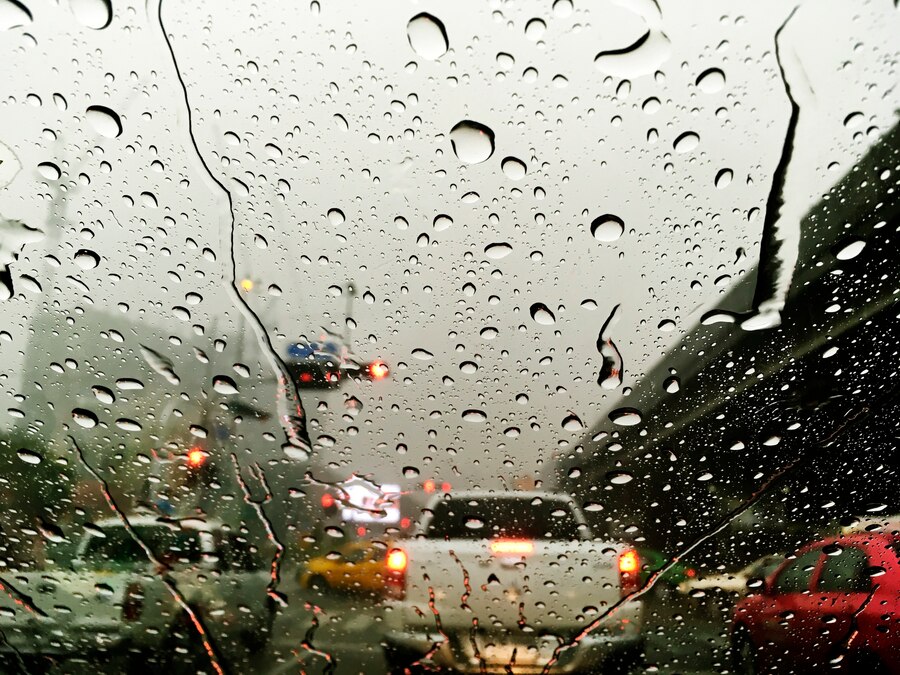
Because of decreased visibility, wet roads, and longer stopping distances, rainy weather can make driving more difficult. These circumstances may seem much more daunting to novice drivers. Fortunately, you can drive safely and confidently in the rain by following a few key tips. Here's how to keep safe when the weather changes.
1. Check Your Wipers and Lights Before You Start
Your windshield wipers and headlights play a major role in safe rain driving. Wipers should be in good condition, with no cracks or tears, so they clear water effectively. If they leave streaks, it may be time to replace them. Headlights, on the other hand, should be turned on as soon as it starts to rain, even in daylight. They increase your visibility to others and improve your view of the road.
2. Slow Down and Keep a Safe Distance
Wet roads require more time to stop, so it’s best to slow down and keep a longer following distance than usual. This extra space gives you time to react if the car in front brakes suddenly or if there’s a puddle you need to avoid. The general rule is to double your usual following distance in wet conditions, aiming for about four to six seconds between you and the vehicle in front.
3. Avoid Sudden Braking and Accelerating
When the roads are wet, avoid sudden movements like quick stops or rapid acceleration, which can cause your tires to lose traction and slide. Brake gently and apply gradual pressure to prevent skidding, and remember that your car will take longer to stop on slick roads. If you need to slow down, let off the accelerator and ease into braking.
4. Watch Out for Puddles and Standing Water
Standing water can lead to hydroplaning, which is when your tires lose contact with the road due to a layer of water. Avoid driving through large puddles whenever possible, as they can hide potholes or other hazards. If you do hit standing water, take your foot off the accelerator and hold the steering wheel steady to regain control once you’re through it. Avoid sudden steering or braking while going through puddles.
5. Use Your Defroster to Keep Windows Clear
Rain can fog up your windows, reducing visibility. Use your car’s defroster settings to keep windows clear. Adjust the temperature and fan speed as needed to remove any fog from the windshield and rear window. This step is especially important when driving at night or early in the morning when temperature changes make fogging more likely.
6. Stick to the Middle Lane on Highways
On multi-lane roads, the middle lane tends to be the safest in the rain. Water often pools in the outer lanes, especially near curbs or shoulders, which increases the risk of hydroplaning. By staying in the middle lane, you reduce your chance of hitting standing water, which helps you maintain better control.
7. Be Aware of Reduced Visibility from Spray
Rain creates spray from other vehicles, which can further reduce visibility. This effect is especially noticeable behind larger vehicles like trucks. If you find that spray is affecting your ability to see, increase your following distance or switch lanes to get out of the spray path. Consider using your wipers at a higher speed to clear the water effectively.
8. Practice Defensive Driving
Defensive driving is particularly important in rainy conditions, as other drivers may have difficulty handling their vehicles or seeing clearly. Keep an eye out for cars that may be drifting, braking suddenly, or merging unexpectedly. Give these vehicles extra space, and be ready to respond calmly and cautiously to sudden changes on the road.
9. Stay Off Cruise Control
While cruise control is a helpful feature on dry roads, it can be dangerous in wet weather. Cruise control can prevent you from responding quickly to changing road conditions and can even increase the risk of hydroplaning. By manually controlling your speed, you’ll have better control over the car and can react more quickly to hazards.
10. Prepare Your Car for Rainy Conditions
Regular maintenance is crucial to rain safety. Make sure your tires have sufficient tread and are inflated to the recommended pressure, as this improves traction on wet roads. Check your brakes for responsiveness, and ensure that your headlights, brake lights, and turn signals are working correctly. Preparing your car for wet weather can make a big difference in how well it handles the rain.
Although driving in the rain may seem difficult at first, you will gain the confidence to manage rainy circumstances with composure and caution if you follow these safety suggestions. In order to maneuver securely, keep your eyes open, slow down, and give yourself more time and space. Rainy-day driving will become a natural part of your driving repertoire with practice.


