


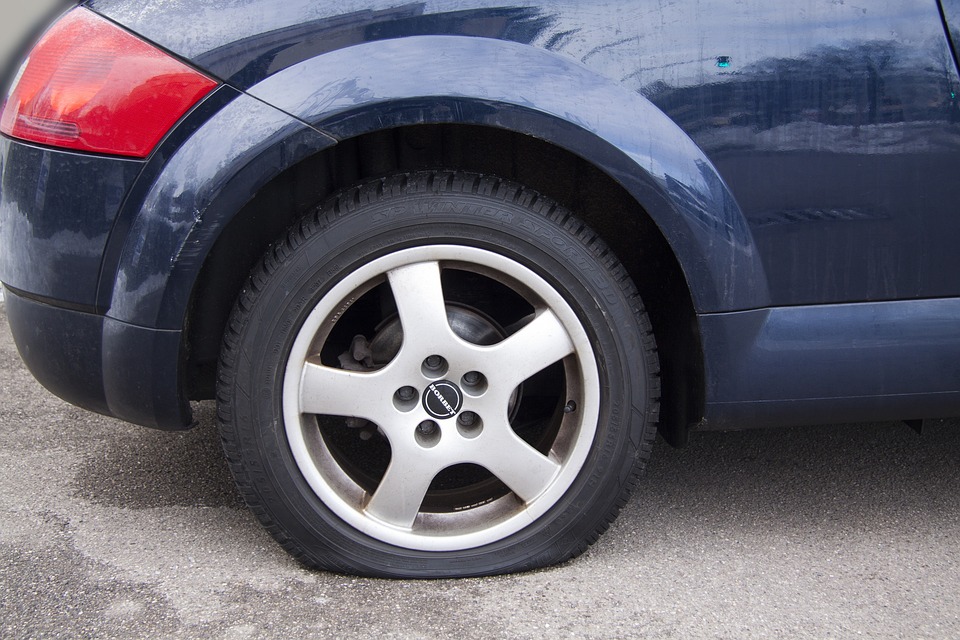
It might be frightening and risky to have a flat tire on a busy roadway. To guarantee both your safety and the protection of others, you must act quickly and carefully. It doesn't matter how long you've been driving; understanding how to handle a flat tire is crucial. Particularly in Brisbane, where traffic may get heavy on the highways during rush hour, this information is crucial. This is a step-by-step strategy to help you confidently handle this scenario.
Recognizing the Signs of a Flat Tire
The first step in dealing with a flat tire is recognizing when it happens. You might feel your car pulling to one side, hear a thumping noise, or notice that your steering feels heavy or unresponsive. If you suspect a flat tire, it's crucial to act quickly but calmly.
Safely Pulling Over
When you're on a busy highway, your priority should be getting to a safe location. Here’s how to do it:
Slow Down Gradually: Avoid sudden braking or sharp turns. Gradually reduce your speed by easing off the accelerator and lightly braking as needed.
Turn on Hazard Lights: As soon as you realize you have a flat tire, switch on your hazard lights to alert other drivers. This is especially important on a highway where traffic is moving quickly.
Look for a Safe Spot: Aim to pull over onto the shoulder of the road, as far away from traffic as possible. If there’s an exit nearby, it might be safer to slowly drive to the off-ramp and stop in a less congested area. Always choose the safest option based on your surroundings.
Position Your Car Safely: Once you’ve pulled over, turn your wheels away from the road and apply the parking brake. This helps prevent your car from rolling back into traffic.
Assessing the Situation
After you've safely pulled over, it's time to assess the situation. Before stepping out of the car, ensure that the traffic around you has slowed down. It's often safer to stay in your vehicle if the road is too busy or if there’s not enough space to change the tire safely.
If it’s safe to exit, take the following steps:
Place Warning Devices: If you have reflective triangles or flares, set them up behind your vehicle to increase visibility. Position them a few meters apart, starting about 30 meters behind your car, to give approaching drivers ample warning.
Check the Tire: Take a close look at the flat tire. If it’s a simple puncture and you have the tools and skills, you can proceed to change it. However, if the tire is badly damaged or the location is unsafe, it’s better to call for roadside assistance.
Changing the Tire (If Safe to Do So)
If you’re confident that it’s safe to change the tire yourself, follow these steps:
Gather Your Tools: You’ll need a spare tire, jack, lug wrench, and any other tools provided by your car manufacturer. These are usually stored in the trunk or under the vehicle.
Loosen the Lug Nuts: Use the lug wrench to slightly loosen the lug nuts on the flat tire before lifting the car. Turn the wrench counterclockwise to loosen them, but don’t remove them completely yet.
Lift the Vehicle: Position the jack under the car’s frame near the flat tire. Consult your car’s manual for the correct jack points. Raise the car until the flat tire is off the ground.
Remove the Flat Tire: Fully unscrew the lug nuts and remove the tire. Place it under the car as a safety precaution in case the jack fails.
Install the Spare Tire: Align the spare tire with the wheel bolts and push it onto the car. Hand-tighten the lug nuts as much as possible.
Lower the Vehicle and Tighten Lug Nuts: Lower the car back to the ground and use the lug wrench to fully tighten the lug nuts in a star pattern. This ensures even tightening and a secure fit.
Check the Spare: Once the spare tire is on, check its pressure if you have a gauge. Spare tires are usually smaller and intended for temporary use, so drive carefully until you can get a full-size replacement.
Calling for Assistance
In some cases, it may not be safe or possible to change the tire yourself, especially on a busy highway. Here’s when to call for help:
Unsafe Location: If traffic is too heavy or the shoulder is too narrow, it’s safer to stay in your car and call for roadside assistance. They are trained to handle these situations and can arrive with the necessary equipment to get you back on the road.
Damaged Tire: If the tire has blown out or is too damaged to be replaced with a spare, professional help is required. They can tow your car to a safer location or a repair shop.
Lack of Tools or Experience: If you don’t have the right tools or are unsure how to change the tire, it’s better to wait for assistance. Your safety is the most important factor.
Preventing Flat Tires
While flat tires can’t always be avoided, regular maintenance can reduce the chances of experiencing one. Check your tire pressure regularly, inspect your tires for wear and tear, and replace them when necessary. Additionally, avoid driving over debris or potholes, which can cause punctures.
We at No Yelling Driving School stress the value of being ready for any eventuality when driving, even flat tires. Acquiring the ability to manage situations such as these instills confidence and guarantees that you can remain composed and make the correct decisions when things count most.
Make sure you have the information and abilities necessary to deal with typical roadside problems, whether you're taking driving lessons in Brisbane or anywhere else. This makes driving safer for everyone and improves your own driving experience as well.


