


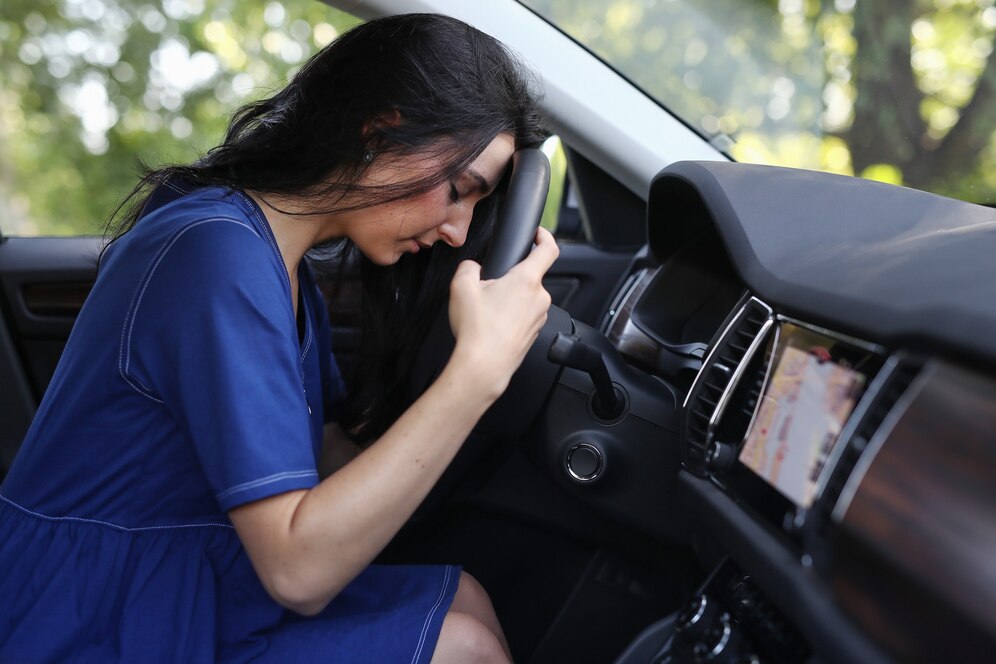
Whether a person is a novice driver or an experienced one who has grown afraid of driving over time, many people struggle with driving anxiety. A previous accident, a fear of losing control, or even the strain of driving in congested traffic can all be causes of this anxiety. It's critical to get over your driving anxiety if you want to drive safely, confidently, and with enjoyment. These useful actions will assist you in controlling and lowering your driving anxiety .
Start with Professional Guidance
One of the most effective ways to overcome driving anxiety is by enrolling in driving lessons with a professional driving instructor. A qualified instructor can provide you with the skills and knowledge needed to handle various driving situations. In Brisbane, No Yelling Driving School offers driving lessons specifically designed to help anxious drivers build confidence behind the wheel. These lessons are tailored to your individual needs, allowing you to progress at your own pace.
Gradual Exposure to Driving
Gradual exposure to driving is a proven method for reducing anxiety. Start by driving in low-pressure environments, such as quiet residential streets or empty parking lots. This allows you to practice basic driving skills without the stress of heavy traffic or complex road conditions. As you become more comfortable, gradually increase the level of difficulty by driving during off-peak hours, then eventually tackling busier roads. This step-by-step approach helps desensitize you to the triggers of your anxiety, making driving feel more manageable over time.
Practice Deep Breathing and Relaxation Techniques
Anxiety often leads to physical symptoms like shallow breathing, muscle tension, and a racing heart. Practicing deep breathing and relaxation techniques can help you stay calm and focused while driving. Before you start the car, take a few deep breaths to center yourself. While driving, if you feel your anxiety rising, consciously relax your grip on the steering wheel, roll your shoulders back, and take slow, deep breaths. These techniques can help prevent panic and keep you in control of the situation.
Set Realistic Goals
Setting realistic and achievable goals is crucial when working to overcome driving anxiety. Begin by setting small, manageable goals, such as driving around the block or taking a short trip to a nearby store. Celebrate each success, no matter how minor it may seem. Gradually, as your confidence grows, you can set more challenging goals, such as driving in light traffic or navigating unfamiliar roads. This approach helps build your confidence step by step, reinforcing positive experiences behind the wheel.
Use Visualization and Positive Affirmations
Visualization and positive affirmations are powerful tools for reducing driving anxiety. Before getting behind the wheel, spend a few minutes visualizing yourself driving calmly and confidently. Picture yourself successfully navigating through different driving scenarios , such as merging onto a highway or parallel parking. Positive affirmations, such as “I am a capable and confident driver,” can also help shift your mindset from fear to empowerment. Repeating these affirmations regularly can reinforce a positive attitude towards driving.
Take Advantage of Defensive Driving Courses
Defensive driving courses are an excellent way to improve your driving skills and boost your confidence. These courses teach you how to anticipate and respond to potential hazards on the road, making you feel more in control while driving.In Brisbane, you can find defensive driving courses that cater specifically to drivers with anxiety, offering practical strategies to manage stress and stay safe. Learning how to handle challenging situations, such as sudden stops or adverse weather conditions, can significantly reduce anxiety and increase your confidence behind the wheel.
Avoid High-Pressure Situations Initially
When working to overcome driving anxiety, it’s important to avoid high-pressure situations until you feel more confident. This includes avoiding rush hour traffic, unfamiliar routes, and challenging weather conditions like heavy rain or fog. As you gain experience and your anxiety decreases, you can gradually introduce these situations into your driving routine. Starting with less stressful driving environments allows you to build a solid foundation of confidence before tackling more difficult scenarios.
Having a network of support can be very helpful in getting over driving anxiety. Friends, family, or even a driving teacher can provide this assistance. For example, practice drives can be made more comfortable and encouraging by having a trusted friend or family member around. If worry begins to set in, they can also assist you in maintaining composure and concentration. Sharing your accomplishments and difficulties with your support network can also keep you inspired and determined to conquer your anxiety.


