


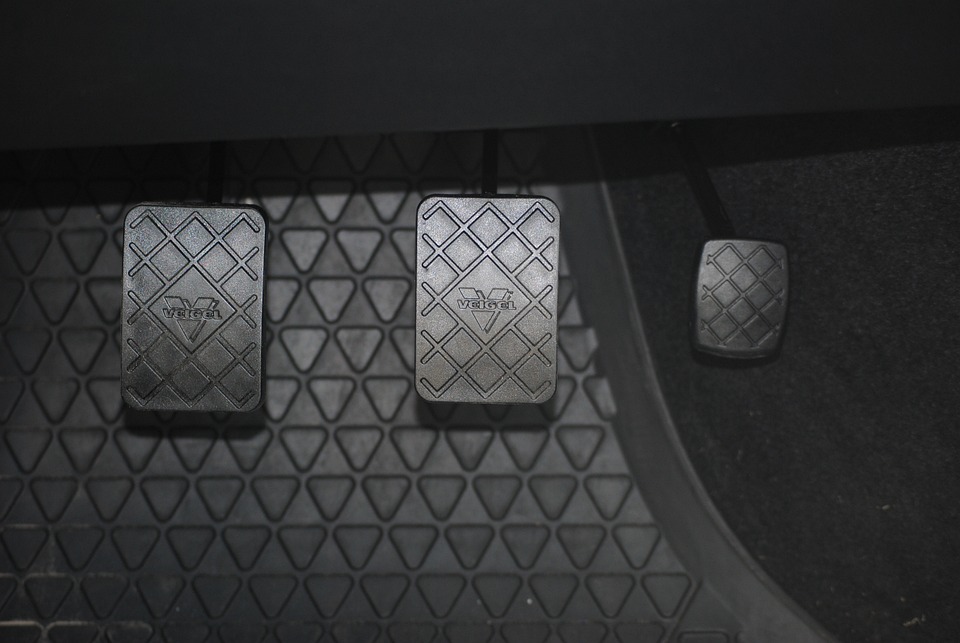
For many people, driving is a daily activity, and safety comes first. However, what would happen if your car's brakes failed? Being aware of what to do can have a significant impact. Here's what to do in this scenario, step-by-step instructions provided.
Stay Calm and Assess the Situation
The first thing to remember is to stay calm. Panicking can make the situation worse. Take a deep breath and assess what is happening. Try to understand if the brakes have completely failed or if they are just not working as effectively.
Take Your Foot Off the Gas
Immediately remove your foot from the accelerator to reduce your speed. This will help you gain better control of the car and slow down gradually.
Turn on Hazard Lights
Switch on your hazard lights to warn other drivers that you are experiencing a problem. This alerts them to keep their distance and avoid potential collisions.
Pump the Brake Pedal
If your brakes are not responding, try pumping the brake pedal several times. In some cases, this can build up enough pressure to engage the brakes. This is particularly useful if the brake fluid is low.
Use the Emergency Brake
If pumping the brakes doesn’t work, slowly engage the emergency brake. The emergency brake, also known as the handbrake or parking brake, operates independently of the main braking system. Use it gradually to avoid skidding.
Downshift to Lower Gears
If you are driving a manual transmission , downshift to lower gears to help slow the car. In an automatic car, shift to a lower gear if possible. This technique uses the engine to reduce speed.
Look for a Safe Place to Stop
Scan the road ahead for a safe place to pull over. Aim for areas with minimal traffic, such as the shoulder of the road, an empty parking lot, or a side street. Avoid stopping in the middle of the road to prevent accidents.
Use Objects to Slow Down
If you are unable to stop the car using the emergency brake or downshifting, look for objects that can help slow you down. These can include guardrails, bushes, or even fences. Choose something that will minimize damage and injury.
Steer the Car to Safety
Carefully steer the car towards the safe area you identified. Use your mirrors and check blind spots to avoid hitting other vehicles. Keep your movements smooth and controlled to maintain stability.
Turn Off the Engine
Once you have brought the car to a safe stop, turn off the engine. This ensures that the car won’t move any further and allows you to safely exit the vehicle.
Call for Help
After you have safely stopped, call for roadside assistance. Explain your situation and provide your location. It’s important to get professional help to inspect and fix the brake issue before driving again.
Preventive Measures
To prevent brake failure, regular maintenance is key. Schedule routine check-ups with experienced driving instructors or mechanics. No Yelling Driving School offers driving lessons Brisbane that include vehicle safety checks. Understanding your car’s mechanics can help you identify potential issues early.
Regular Brake Checks
Make it a habit to check your brakes regularly. Listen for unusual noises, feel for changes in brake pedal pressure, and watch for warning lights on your dashboard. Early detection can prevent complete brake failure.
Practice Emergency Procedures
During your driving lessons, practice emergency procedures. No Yelling Driving School 's professional driving instructors Brisbane can teach you how to handle brake failure and other emergencies. This practice can build your confidence and prepare you for unexpected situations.
Stay Informed and Prepared
Knowing what to do if your brakes fail is crucial for safe driving. Stay informed and always be prepared for emergencies. Learning to drive with No Yelling Driving School ensures you receive high-quality driving education and practical advice on handling various driving scenarios.
Invest in Defensive Driving Courses
Consider enrolling in defensive driving courses. These courses teach advanced driving skills and emergency handling techniques. Defensive driving Brisbane courses from No Yelling Driving School can enhance your driving knowledge and improve your response to brake failure and other critical situations.
You can handle brake failure with confidence and ensure the safety of other drivers and yourself on the road by adhering to these guidelines and taking preventative actions.


