


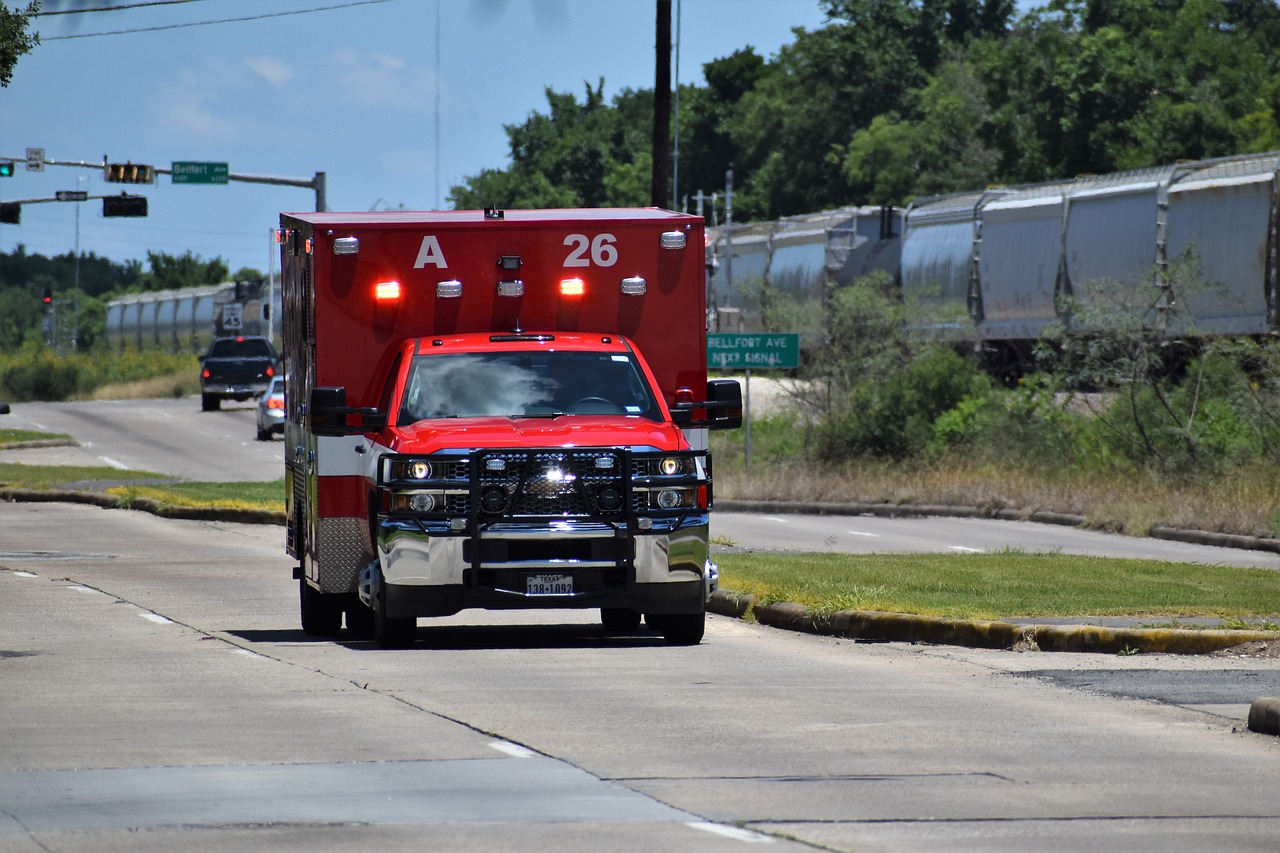
While it can be unsettling to come into emergency vehicles while driving, it's important to know how to react effectively and safely. Teaching pupils how to manage emergency situations on the road, such as yielding to and making room for emergency vehicles, is a top priority at No Yelling Driving School. Let's examine the procedures for doing so safely when passing emergency vehicles.
Understanding the Importance of Yielding
When emergency vehicles, such as ambulances, fire trucks, or police cars, approach with their lights flashing and sirens blaring, it's essential to yield the right of way promptly. Yielding to emergency vehicles allows them to reach their destinations quickly and effectively, potentially saving lives in critical situations.
Stay Calm and Aware
The first step in handling an approaching emergency vehicle is to remain calm and alert. Keep an eye out for flashing lights and listen for sirens, especially in heavy traffic or congested areas. Stay focused on the road and avoid distractions, such as changing the radio station or using your phone.
Check Your Surroundings
Before taking any action, assess your surroundings to determine the safest course of action. Check your mirrors and blind spots to ensure that you can safely move aside without endangering yourself or other drivers . Look for a clear path to pull over to the right side of the road, allowing the emergency vehicle to pass on the left.
Signal Your Intentions
Once you've identified a safe opportunity to yield, use your turn signal to indicate your intention to pull over. Signal well in advance to alert other drivers of your intentions and give them time to react accordingly. Avoid sudden maneuvers or abrupt stops that could catch other drivers off guard.
Pull Over Safely
When pulling over to yield to an emergency vehicle, make sure to do so safely and smoothly. Reduce your speed gradually and move as far to the right side of the road as possible without driving onto the shoulder or into a hazard. Avoid stopping in intersections or blocking the path of the emergency vehicle.
Wait for Clearance
After pulling over, come to a complete stop and wait for the emergency vehicle to pass safely. Keep your distance and avoid following the vehicle closely, as it may need to make sudden maneuvers or stops. Once the emergency vehicle has passed, check your surroundings again before merging back into traffic.
Stay Alert and Aware
Even after the emergency vehicle has passed, it's essential to remain vigilant and aware of your surroundings. Other emergency vehicles or law enforcement officers may be following closely behind, so continue to drive cautiously and be prepared to yield again if necessary.
It takes quick thinking, effective communication, and a dedication to putting other drivers' safety first when handling emergency vehicles. Drivers can make a significant contribution to ensuring that assistance reaches individuals in need as soon as possible and safely by being aware of the procedures for yielding and making room for emergency vehicles.
To keep everyone safe on the road, we at No Yelling Driving School place a strong emphasis on being prepared and using responsible driving techniques. Together, let's foster a culture of safety and knowledge that will help both motorists and first responders.


