


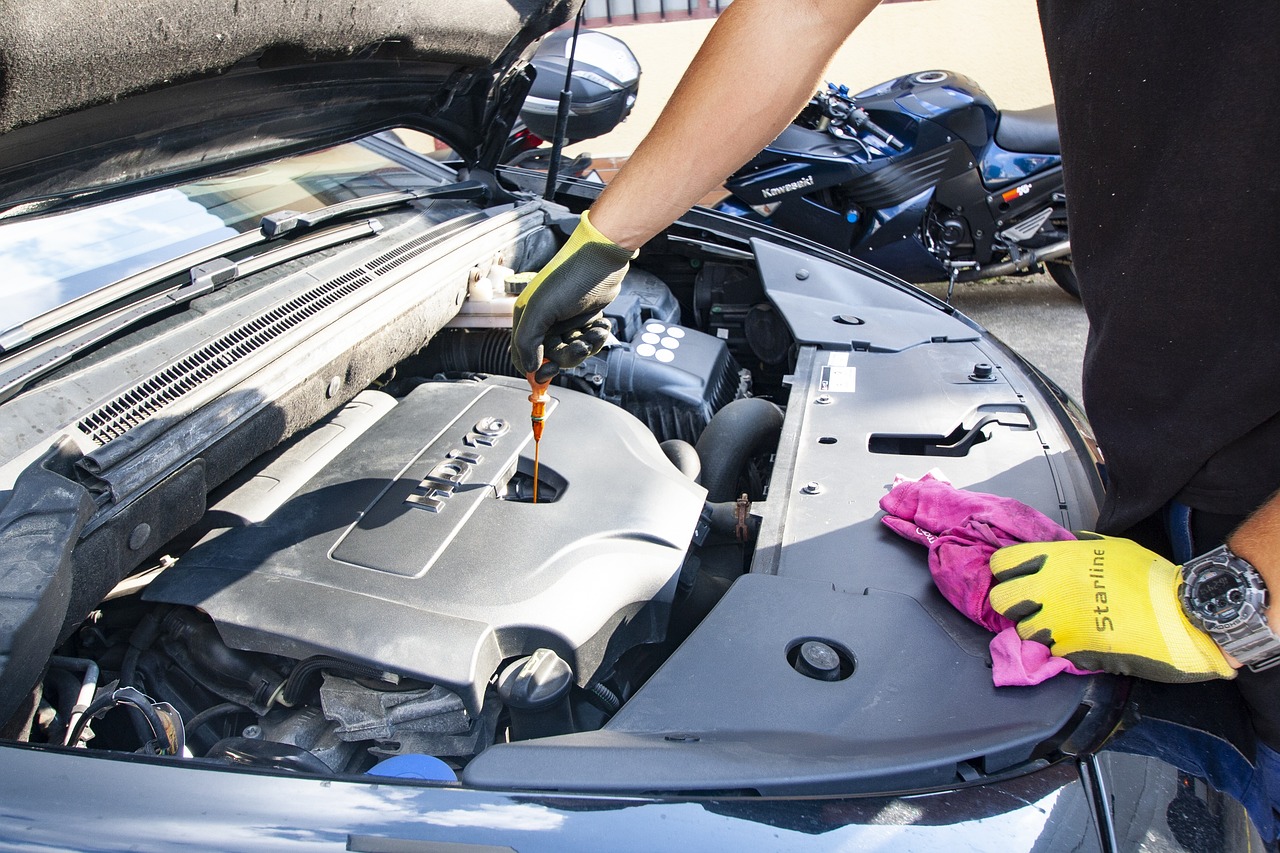
The longevity and good health of your car's engine depend on routine oil changes. However, a lot of drivers neglect this important part of auto maintenance. In this article, we'll look at the value of routine oil changes, how often they should be done, and what kinds of oil are best for your car.
Why Are Regular Oil Changes Important?
Lubrication: Oil lubricates the engine's moving parts, reducing friction and minimizing wear and tear. Over time, oil breaks down and becomes less effective, leading to increased friction and potential damage to engine components. Regular oil changes ensure that your engine remains properly lubricated, preserving its longevity and efficiency.
Heat Dissipation: In addition to lubrication, oil helps dissipate heat generated by the engine's operation. As oil ages, its ability to absorb and dissipate heat diminishes, putting the engine at risk of overheating. Fresh oil maintains optimal temperature regulation, preventing overheating and potential engine damage.
Contaminant Removal: Over time, dirt, debris, and contaminants accumulate in the engine oil, compromising its effectiveness. Regular oil changes remove these impurities, preventing them from circulating through the engine and causing damage. Clean oil promotes smoother engine performance and reduces the risk of engine failure.
Preservation of Engine Performance: A well-lubricated engine operates more efficiently, delivering optimal performance and fuel economy. Neglecting oil changes can lead to decreased engine performance, reduced fuel efficiency, and increased emissions. Regular maintenance, including timely oil changes, helps preserve your vehicle's performance and minimize operational costs.
How Often Should You Change Your Oil?
The frequency of oil changes depends on several factors, including the type of vehicle, driving conditions , and oil type. As a general guideline:
Regular Oil: Conventional motor oil typically requires changing every 3,000 to 5,000 miles or every three to six months, whichever comes first. However, it's essential to consult your vehicle's owner's manual for manufacturer-recommended intervals.
Synthetic Oil: Synthetic oils offer superior performance and longevity compared to conventional oils. Vehicles using synthetic oil may have longer intervals between oil changes, ranging from 5,000 to 10,000 miles. Again, refer to your owner's manual for specific recommendations.
Driving Conditions: If you frequently engage in stop-and-go city driving, towing heavy loads, or driving in extreme temperatures, you may need more frequent oil changes. These driving conditions can accelerate oil degradation and necessitate shorter change intervals.
Oil Change Reminder: Many modern vehicles are equipped with oil change reminder systems that monitor driving conditions and mileage to determine when an oil change is due. Pay attention to these reminders and schedule oil changes accordingly.
Choosing the Right Oil for Your Vehicle
When selecting oil for your vehicle, consider factors such as viscosity, performance specifications, and manufacturer recommendations. Common types of engine oil include:
Conventional Oil: Traditional motor oil derived from crude oil. Suitable for older vehicles with simple engine designs and moderate driving conditions.
Synthetic Oil: Engineered for superior performance and protection. Ideal for modern vehicles, high-performance engines, and harsh driving conditions.
Synthetic Blend: A combination of conventional and synthetic oils, offering improved performance over conventional oil at a lower cost than full synthetic.
High Mileage Oil: Formulated specifically for vehicles with high mileage, providing added protection for aging engines and addressing common issues such as oil leaks and engine wear.
Maintaining the health and efficiency of your car's engine requires routine oil changes. For maximum engine performance, safe driving, and fuel efficiency, make sure you use the right type of oil for your car and follow suggested oil change intervals. Make sure you remember to plan your next oil change in order to keep your car operating properly for many miles to come.


