


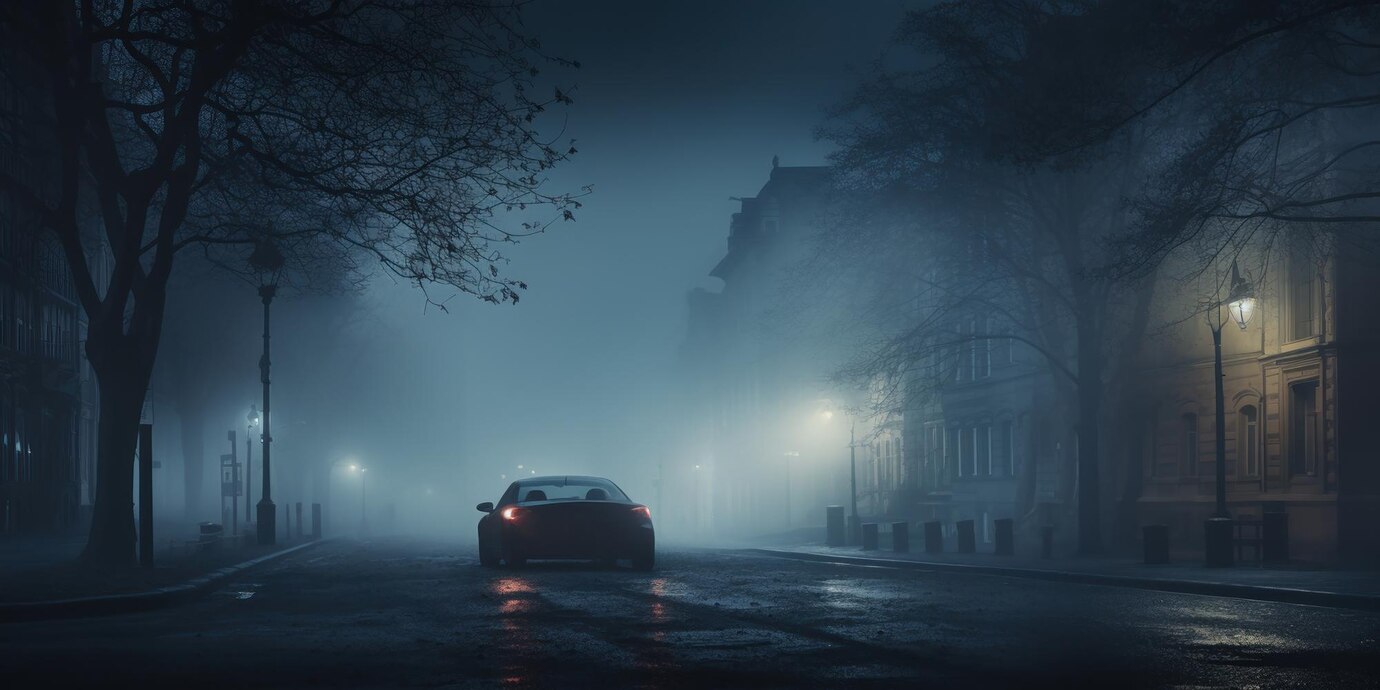
There are special difficulties when driving at night, so you have to be particularly careful and organized. Driving in the dark can be risky and more difficult due to reduced vision, headlamp glare, and fatigue. However, you may overcome these obstacles and drive safely if you use the appropriate tactics. We at No Yelling Driving School recognize how critical it is to develop your nighttime driving abilities. Let's examine some typical problems with driving at night and how to solve them.
Reduced Visibility:
One of the primary challenges of driving in the dark is reduced visibility, which can make it harder to see potential hazards on the road. To overcome this challenge, ensure that your vehicle's headlights, taillights, and turn signals are in good working condition and properly adjusted. Use your headlights wisely – switch to low beams when driving in urban areas or well-lit areas and use high beams on dark, unlit roads to illuminate the road ahead without blinding other drivers. Additionally, keep your windshield clean and free of dirt, debris, and streaks to minimize glare and improve visibility.
Glare from Oncoming Headlights:
Glare from oncoming headlights can be distracting and make it difficult to see the road ahead, especially on poorly lit roads or highways. To reduce glare, focus your gaze slightly to the right edge of the road and avoid looking directly into oncoming headlights. Use your vehicle's sun visor to block out excessive glare, and consider investing in anti-glare glasses or lenses if you frequently experience discomfort from glare while driving at night. Remember to dim your headlights when approaching other vehicles to minimize glare for other drivers as well.
Fatigue and Drowsiness:
Driving at night can be more physically and mentally demanding than driving during the day, increasing the risk of fatigue and drowsiness. To combat fatigue, make sure you get plenty of rest before embarking on a nighttime drive and take regular breaks to stretch, walk around, and refresh yourself. Avoid driving for extended periods without adequate rest, and be mindful of signs of drowsiness such as yawning, heavy eyelids, or difficulty focusing. If you feel tired or drowsy while driving, pull over to a safe location and take a short nap or switch drivers if possible.
Increased Risk of Wildlife Encounters:
Wildlife, such as deer or raccoons, are more active at night and may pose a hazard to drivers, especially in rural or wooded areas. To reduce the risk of wildlife encounters while driving in the dark, stay alert and scan the road ahead for any signs of movement or reflective eyes. Use caution when driving through areas known to have high wildlife populations, and reduce your speed if necessary to give yourself more time to react to unexpected wildlife crossings. If you encounter wildlife on the road, slow down and avoid swerving sharply to avoid a collision.
Limited Depth Perception:
Driving in the dark can also affect your depth perception, making it harder to judge distances and the speed of approaching vehicles or obstacles. To compensate for limited depth perception, increase your following distance and reduce your speed to allow for more reaction time in case of sudden stops or hazards. Use reference points such as road signs, lane markings, and the headlights of other vehicles to gauge distance and maintain a safe driving position.
You may handle nighttime driving conditions safely and confidently by being aware of the difficulties associated with driving in the dark and putting these methods into practice. We at No Yelling Driving School are committed to giving you a thorough driving education that will give you the know-how to manage any driving situation, including nighttime driving. Drive safely and attentively at all times of the day or night.


