


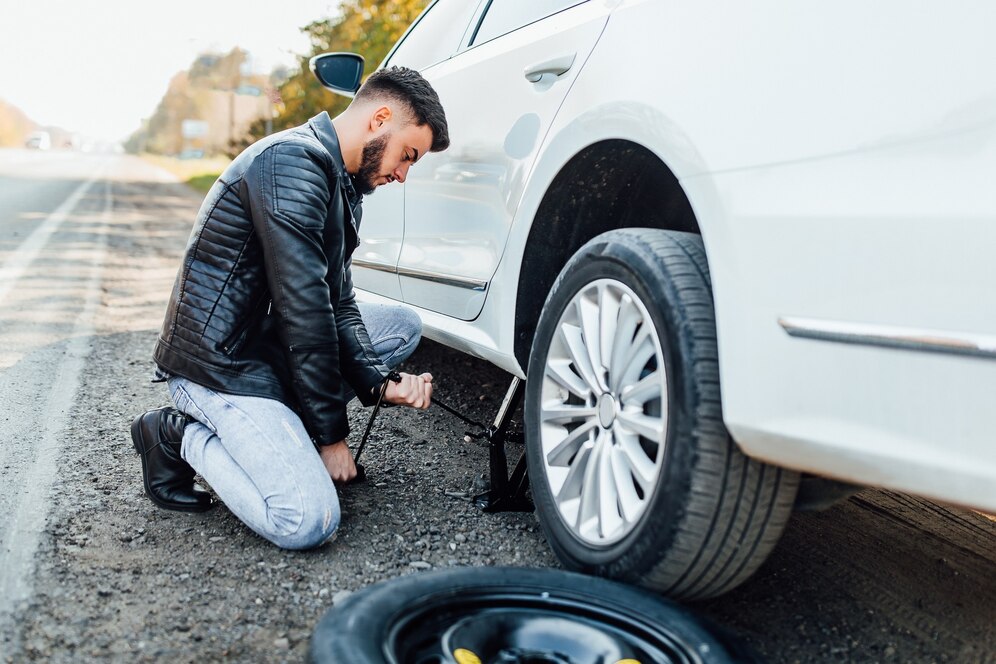
Are you ready to hit the road with confidence? Ensuring your tires are in top condition is a crucial step toward safe and enjoyable driving. Whether you're a new driver or a seasoned pro, understanding the basics of tire care is essential for maintaining optimal performance and prolonging the life of your tires. In this guide, we'll cover everything you need to know about tire care, including how to check tire pressure, tread depth, and rotation.
1. Checking Tire Pressure:
Proper tire pressure is vital for safety, fuel efficiency, and overall performance. Here's how to check your tire pressure:
Use a Pressure Gauge: Start by obtaining a reliable tire pressure gauge. You can find analog or digital gauges at most auto parts stores.
Consult the Manual: Refer to your vehicle's owner's manual or the placard located on the driver's side door jamb for the recommended tire pressure. This information is crucial as it varies depending on the vehicle make and model.
Check When Cold: Ensure that your tires are cold before checking the pressure. Tire pressure increases as the tires heat up from driving, which can result in inaccurate readings.
Remove Valve Cap: Unscrew the valve cap from the tire's valve stem and set it aside in a safe place.
Check Pressure: Press the tire pressure gauge firmly onto the valve stem to obtain a reading. Compare the measured pressure to the recommended pressure specified in your owner's manual.
Inflate or Deflate: If the pressure is too low, use an air compressor to inflate the tire to the correct pressure. Conversely, if the pressure is too high, release air until it matches the recommended level.
Repeat for All Tires: Remember to check the pressure of all four tires, including the spare if applicable.
2. Inspecting Tread Depth:
Tire tread provides traction and stability, especially in adverse weather conditions. Follow these steps to inspect your tire tread:
Use a Penny: Insert a penny into the tread grooves with Lincoln's head facing down. If you can see the top of Lincoln's head, it's time to replace your tires as the tread depth is too shallow.
Check for Wear Bars: Many tires come equipped with built-in wear bars. These are indicators molded into the tire tread. If the wear bars are flush with the tire's tread, it's a sign that the tire needs to be replaced.
Measure Tread Depth: Consider investing in a tread depth gauge for more precise measurements. The recommended minimum tread depth is typically 2/32 of an inch.
3. Rotating Your Tires:
Rotating your tires regularly promotes even wear and extends their lifespan. Follow these guidelines for tire rotation:
Refer to Manual: Consult your vehicle's owner's manual for the recommended tire rotation pattern. It's typically recommended to rotate tires every 6,000 to 8,000 miles.
Visit a Professional: While some DIY enthusiasts prefer to rotate their tires themselves, it's often more convenient to have it done during routine maintenance visits to a trusted mechanic or tire shop.
Maintain Proper Alignment: Proper wheel alignment is crucial for even tire wear. If you notice uneven wear patterns or steering issues, have your alignment checked promptly.
By following these tire care tips, you'll not only ensure your safety on the road but also optimize fuel efficiency and prolong the life of your tires. Make tire maintenance a regular part of your vehicle care routine, and you'll enjoy a smoother, safer driving experience for miles to come.
Remember, No Yelling Driving School is here to support you every step of the way on your journey toward confident and enjoyable driving. Stay tuned for more informative posts to help you become a skilled and responsible driver.
Drive safely and happy travels!


