


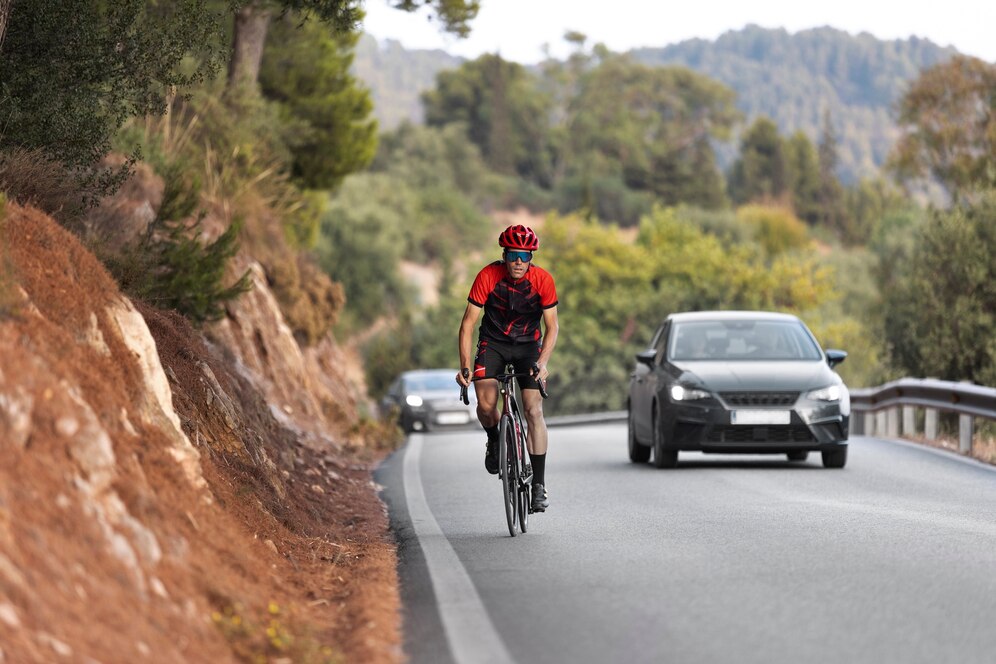
Understanding right of way rules is essential for all road users to ensure safe and efficient traffic flow. Whether you're a driver, cyclist, or pedestrian, knowing when to yield and when to proceed can prevent accidents and promote harmony on the road. In this guide, we'll explore the principles of right of way and provide clarity for navigating various traffic scenarios.
Right of Way Basics:
Right of way refers to the legal priority granted to certain road users in specific situations. While road rules may vary depending on location, the fundamental principle remains consistent: prioritize safety and cooperation to prevent collisions.
Key Right of Way Principles:
Intersection Priority:
At intersections without traffic lights or signs, drivers must yield to vehicles already in the intersection or approaching from the right. When turning, give way to pedestrians and cyclists crossing the intersection or designated crossing points.
Pedestrian Crossings:
Pedestrians have the right of way at marked crossings, such as zebra crossings and pedestrian traffic lights. Drivers must come to a complete stop and allow pedestrians to cross safely before proceeding.
Roundabouts:
When entering a roundabout, yield to vehicles already inside the roundabout. Approach with caution, signal your intentions, and merge smoothly into the traffic flow. Cyclists should use the appropriate lane and follow the same rules as drivers.
Turning Vehicles:
When turning at intersections or driveways, drivers must give way to pedestrians, cyclists, and vehicles already proceeding straight. Cyclists should signal their turns and position themselves appropriately to make their intentions clear to other road users.
Emergency Vehicles:
When emergency vehicles with flashing lights and sirens approach, drivers must give way by moving to the side of the road and stopping if safe to do so. Avoid blocking intersections or impeding the passage of emergency vehicles.
Shared Spaces:
In areas where pedestrians, cyclists, and vehicles share the road, mutual respect and awareness are crucial. Yield to pedestrians and cyclists when entering or exiting shared spaces, and maintain a safe distance to ensure everyone's safety.
School Zones and Crossings:
Exercise heightened caution in school zones and near school crossings, where children may be present. Reduce speed, obey speed limits, and yield to pedestrians using designated crossing points.
By understanding and respecting right of way rules, drivers, cyclists, and pedestrians can contribute to safer road environments and reduce the risk of accidents. Stay informed, stay vigilant, and prioritize safety in every traffic interaction.
At No Yelling Driving School, we prioritize comprehensive driver education that emphasizes road safety and responsible behavior. Our experienced instructors provide guidance on right of way rules and practical strategies for navigating complex traffic situations.
Whether you're learning to drive, cycling on city streets, or walking to your destination, remember to respect the right of way and prioritize safety for yourself and others.
Drive, cycle, and walk safely with No Yelling Driving School!


