


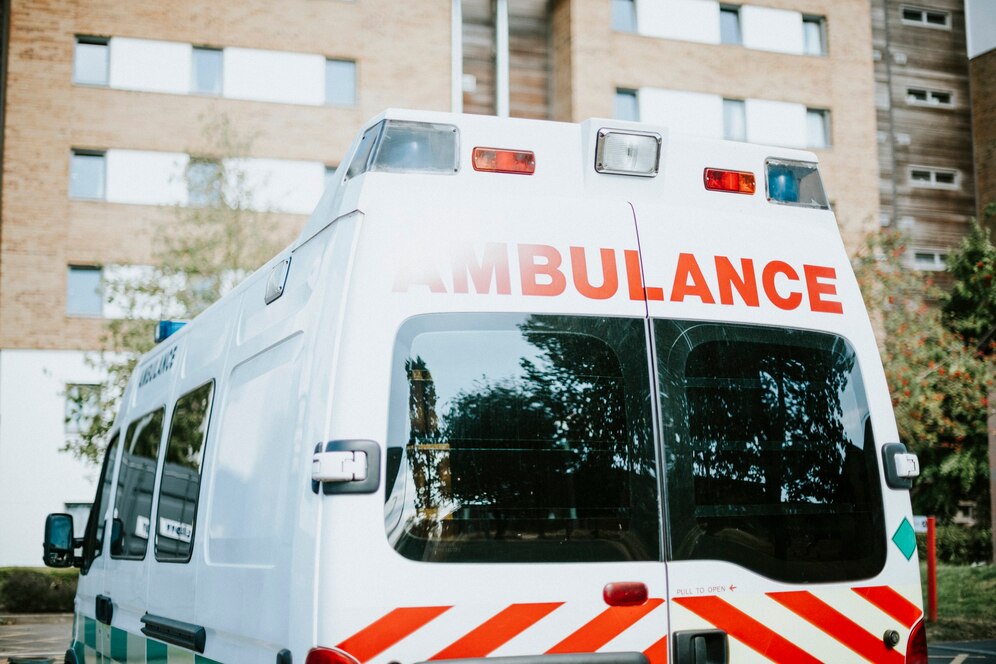
Encountering emergency vehicles while driving requires quick thinking and adherence to specific protocols to ensure the safety of everyone on the road, including emergency responders, other drivers, and pedestrians. In this blog post, we'll discuss essential guidelines for handling emergency vehicles, including protocols for yielding and safely clearing the way.
Stay Alert and Vigilant: The first step in handling emergency vehicles is to stay alert and vigilant while driving. Keep an eye out for flashing lights, sirens, and other indicators of approaching emergency vehicles, especially in busy urban areas or near intersections.
Identify the Emergency Vehicle: As soon as you become aware of an approaching emergency vehicle, quickly identify its location and direction of travel. Use your mirrors and check your blind spots to determine the vehicle's position relative to your own.
React Promptly and Safely: React promptly to the presence of an emergency vehicle by safely maneuvering your vehicle to yield and clear the way. Signal your intention to move to the side of the road and begin slowing down gradually to create a clear path for the emergency vehicle to pass. Our experienced instructors can teach you how to respond in such situations.
Yield the Right of Way: When an emergency vehicle with lights and sirens activated approaches from behind or from an intersecting road, yield the right of way by safely pulling over to the right-hand side of the road and coming to a complete stop, if possible. Allow the emergency vehicle to pass safely and efficiently.
Avoid Abrupt Movements: When yielding to an emergency vehicle, avoid making abrupt movements or sudden stops that could endanger yourself or other road users. Signal your intention to yield, check your mirrors and blind spots, and maneuver your vehicle smoothly and predictably to the side of the road.
Stay Clear of Intersections: If you're approaching an intersection and an emergency vehicle is approaching from another direction, avoid blocking the intersection by stopping before entering it. Allow the emergency vehicle to pass through the intersection safely before proceeding.
Do Not Follow Too Closely: After an emergency vehicle has passed, do not follow too closely behind it. Maintain a safe following distance and continue driving at a safe and lawful speed, keeping an eye out for any additional emergency vehicles that may be following behind.
Remain Calm and Cooperative: Above all, remain calm and cooperative when encountering emergency vehicles on the road. Follow the instructions of emergency responders and cooperate with other drivers to ensure a safe and orderly flow of traffic.
By following these protocols for handling emergency vehicles, you can play a crucial role in ensuring the safety of everyone on the road, including emergency responders, fellow drivers, and pedestrians. At No Yelling Driving School, we prioritize safe driving practices and provide comprehensive training on how to respond to various driving scenarios, including encounters with emergency vehicles. Contact us today to learn more about our driver programs and start your journey towards becoming a skilled and responsible driver.


