


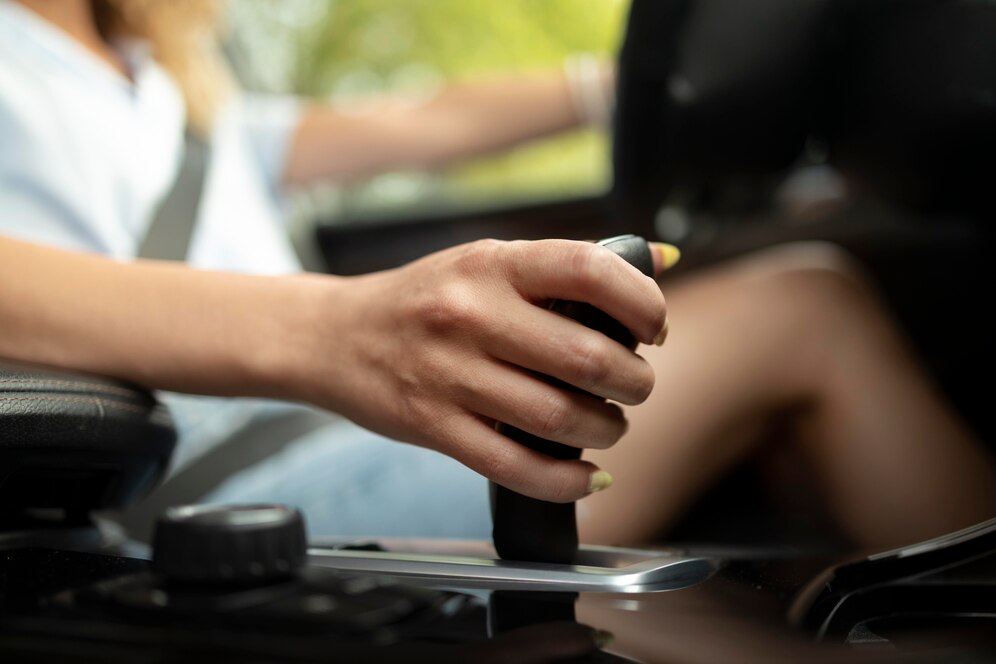
Welcome to another insightful post from No Yelling Driving School! Today, we're exploring the pros and cons of learning to drive with an automatic transmission. While both automatic and manual transmissions have their merits, understanding the advantages and disadvantages of each can help you make an informed decision when embarking on your driving journey. Let's dive into the key factors to consider when choosing an automatic transmission for your driving lessons.
Pros of Learning to Drive with an Automatic Transmission
Simplified Operation: Automatic transmissions eliminate the need for manual gear shifting, making them easier to operate, especially for novice drivers. This can reduce the learning curve and help learners focus on mastering other essential driving skills.
Smooth and Effortless Driving: With an automatic transmission, drivers can enjoy smoother acceleration and seamless gear changes without the need to coordinate clutch and gear shifts. This can result in a more comfortable driving experience, particularly in heavy traffic or urban environments.
Reduced Stress: Learning to drive with an automatic transmission can be less stressful for some learners, as they don't have to worry about stalling or mastering the intricacies of manual gear changes. This can boost confidence and promote a positive learning experience.
Focus on Core Driving Skills: By eliminating the complexities of manual gear shifting, learners can focus more on mastering fundamental driving skills such as steering, braking, and hazard awareness. This can lay a solid foundation for safe and confident driving habits.
Cons of Learning to Drive with an Automatic Transmission
Limited Skill Set: Drivers who learn exclusively with an automatic transmission may lack proficiency in operating manual vehicles. This can be a disadvantage in situations where manual transmission cars are the only option or when driving abroad, where manual transmissions are more common.
Higher Costs: Automatic transmission vehicles tend to be more expensive to purchase and maintain compared to their manual counterparts. Additionally, automatic driving lessons may be pricier due to the higher demand for automatic instructors.
Less Control: Some drivers prefer the level of control offered by manual transmissions, especially in challenging driving conditions such as steep hills or adverse weather. Automatic transmissions may provide less control over the vehicle's power output and speed.
Fuel Efficiency: In general, manual transmission vehicles offer better fuel efficiency compared to automatics, as they allow drivers to optimize gear selection for optimal engine performance. However, advancements in automatic transmission technology have narrowed this gap in recent years.
Choosing whether to learn to drive with an automatic transmission is a personal decision that depends on individual preferences, driving goals, and circumstances. While automatic transmissions offer simplicity, comfort, and ease of use, they also come with limitations in terms of skill development and cost. Ultimately, the choice between automatic and manual transmission should align with your driving needs and aspirations. Stay tuned to the No Yelling Driving School blog for more valuable insights into mastering the art of driving!


