


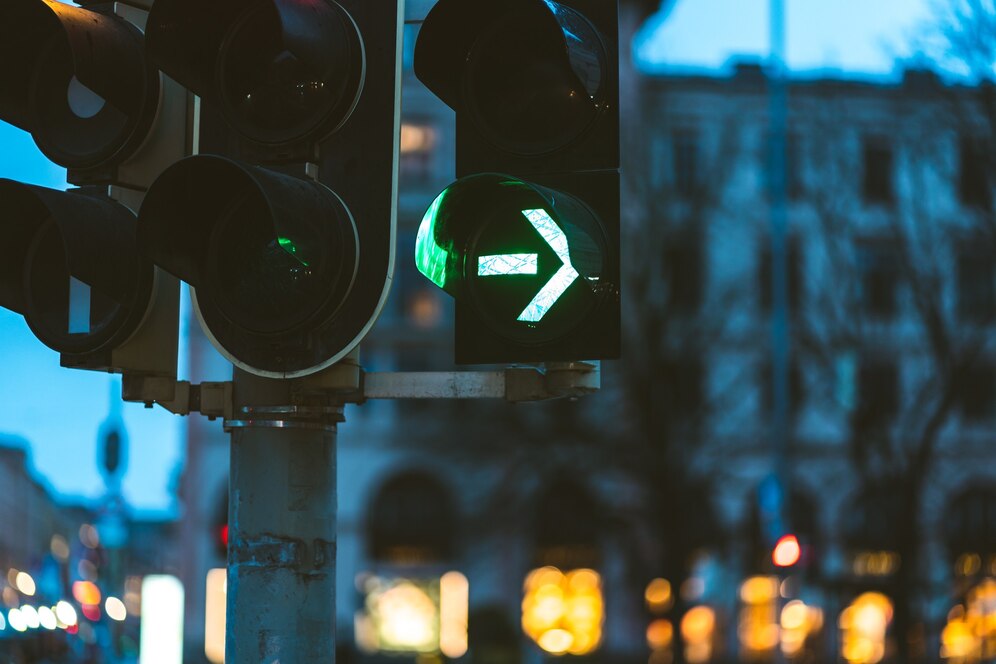
Welcome to another insightful No Yelling Driving School blog post! Today, we're delving into a fundamental aspect of safe driving: using turn signals effectively. While it may seem like a small detail, signaling your intentions can significantly enhance road safety for yourself and others. Let's explore why turn signals matter and how you can use them effectively during your driving lessons and beyond.
Understanding the Importance of Turn Signals
Turn signals serve as communication tools between drivers, indicating their intentions to turn, change lanes, or merge. By signaling your intentions, you provide crucial information to other road users, allowing them to anticipate your actions and react accordingly. This helps prevent misunderstandings, reduces the risk of accidents, and promotes smoother traffic flow.
Benefits of Using Turn Signals
Enhanced Safety: Proper use of turn signals reduces the likelihood of collisions and near-misses by alerting other drivers to your next move. This is particularly crucial in busy traffic or complex road situations.
Legal Requirement: In most jurisdictions, signaling before turning or changing lanes is a legal requirement. Failing to signal properly can result in fines or penalties, emphasizing the importance of this basic driving skill.
Courtesy and Respect: Using turn signals demonstrates courtesy and respect for fellow road users. It shows that you are mindful of their presence and are committed to safe, cooperative driving behavior.
Tips for Using Turn Signals Effectively
Signal in Advance: Signal your intention to turn or change lanes well in advance of making the maneuver. Aim to activate your turn signal at least 100 feet before your intended action, giving other drivers ample time to react.
Maintain Consistency: Ensure your turn signals align with your actual driving behavior. Inconsistent signaling, such as failing to turn after signaling or changing lanes without signaling, can confuse other road users and compromise safety.
Check Your Surroundings: Before signaling, check your mirrors and blind spots to assess the traffic situation around you. Ensure that it is safe to execute the intended maneuver and that other drivers have noticed your signal.
Signal Even in Empty Roads: Make it a habit to use your turn signals consistently, even when there are no other vehicles nearby. This reinforces good driving habits and ensures that signaling becomes second nature to you.
Cancel Signals Appropriately: After completing a turn or lane change, remember to switch off your turn signal promptly. Failing to do so can mislead other drivers about your intentions and potentially lead to confusion or accidents.
Effective use of turn signals is a fundamental aspect of safe driving, contributing to smoother traffic flow, reduced accidents, and improved overall road safety. By incorporating these tips into your driving practice, our experienced instructors can help you develop strong signaling habits that enhance your confidence and competence behind the wheel. Stay tuned to the No Yelling Driving School blog for more valuable insights into mastering the art of safe and enjoyable driving!


