


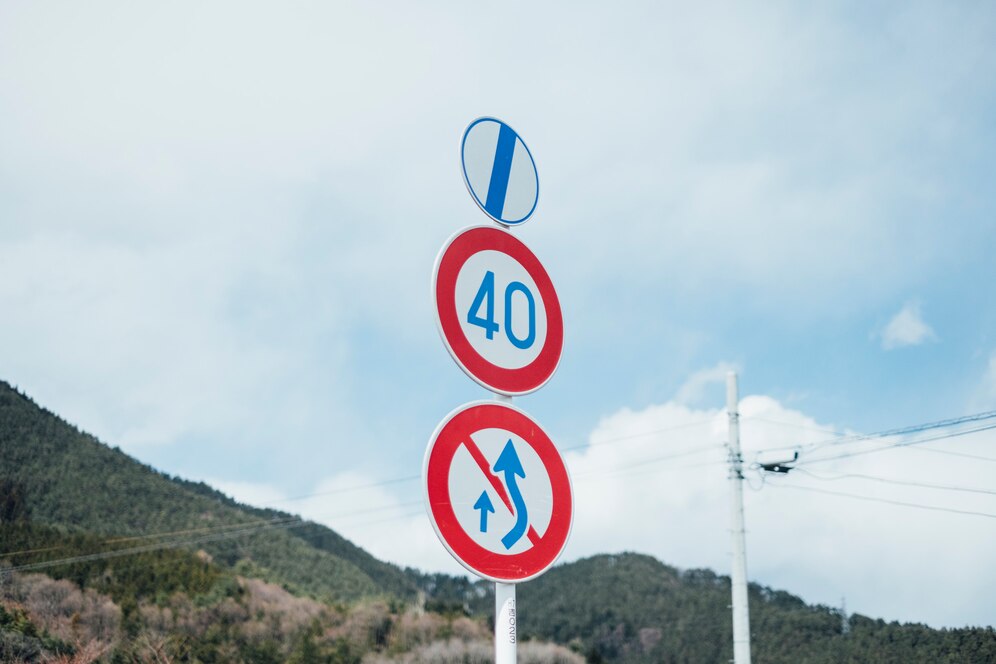
Driving in a new country can be both exciting and daunting, especially when faced with unfamiliar road signs. At No Yelling Driving School, we understand the challenges international drivers may encounter. That's why we've put together this comprehensive guide to help you navigate road signs confidently and safely.
Understanding Road Sign Shapes and Colors:
- Road signs come in various shapes and colors, each conveying specific messages. Here's a quick overview:
- Regulatory Signs: Rectangular signs with black lettering or symbols on a white background. These signs indicate traffic laws or regulations that drivers must follow.
- Warning Signs: Typically yellow and diamond-shaped, warning signs alert drivers to upcoming hazards or changes in road conditions.
- Informational Signs: These signs provide information about destinations, distances, services, and other helpful details. They are usually rectangular and green or blue.
- Directional Signs: These signs guide drivers to specific locations, such as highways, cities, or landmarks. They often feature arrows and are typically rectangular or square.
Common Road Signs:
- Stop Sign: Recognizable by its octagonal shape and red color, the stop sign indicates that drivers must come to a complete stop and yield the right-of-way to vehicles and pedestrians.
- Speed Limit Signs: Circular signs with black numbers on a white background indicate the maximum speed allowed on that road.
- Pedestrian Crossing Sign: A yellow diamond-shaped sign with a pedestrian symbol indicates a designated crossing area for pedestrians.
- No Parking Sign: A red circle with a slash over a parked car symbol indicates areas where parking is prohibited.
- Roundabout Sign: Warns drivers of an upcoming roundabout and provides directional guidance.
Understanding Traffic Signals:
- Traffic signals play a crucial role in regulating traffic flow and ensuring safety. In most countries, red means stop, green means go, and yellow indicates caution.
- Familiarize yourself with the meanings of different traffic signal configurations, including solid green, solid red, flashing yellow, and pedestrian signals.
Staying Alert to Local Variations:
- While many road signs are standardized internationally, some countries may have variations or unique signs specific to their road networks and regulations.
- Pay attention to any supplementary signs or symbols that provide additional information or instructions.
Practice and Review:
- The best way to become comfortable with road signs is through practice and review. Consider taking practice drives with a licensed instructor or experienced driver to familiarize yourself with local signage.
- Reviewing driving manuals or online resources specific to the region you'll be driving in can also help reinforce your knowledge of road signs and traffic laws.
Navigating road signs as an international driver may seem daunting at first, but with patience, practice, and a positive attitude, you can become confident on the roads. At No Yelling Driving School, we're here to support you every step of the way as you embark on your driving journey in a new country. Remember to stay vigilant, obey traffic laws, and always prioritize safety for yourself and others on the road.


