


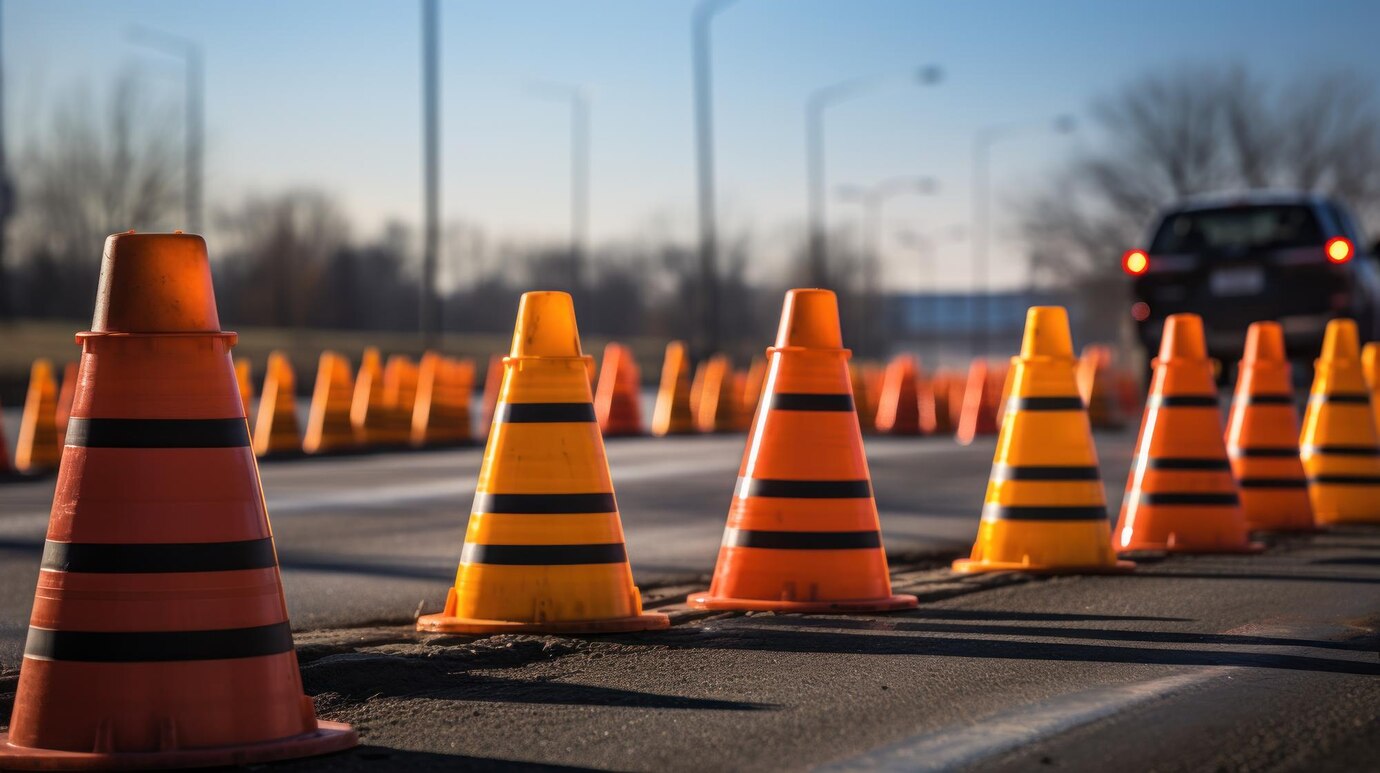
Are you looking to improve your ability to identify and react to hazards while driving? Developing strong hazard perception skills is essential for safe and confident driving on the road. In this guide, we'll explore strategies to enhance your hazard perception abilities, equipping you with the tools to spot and respond to potential dangers effectively.
Understanding Hazard Perception:
Hazard perception refers to the ability to anticipate and react to potential hazards on the road, such as sudden stops, pedestrians, cyclists, and road obstructions. By recognizing hazards early and taking appropriate action, drivers can mitigate risks and avoid accidents.
Techniques for Enhancing Hazard Perception:
Stay Alert and Focused: Maintaining a high level of alertness and concentration is crucial for effective hazard perception. Minimize distractions in the vehicle, such as mobile phones, music players, or excessive conversation, to ensure your full attention is on the road ahead.
Scan the Environment: Practice scanning the road ahead, as well as your mirrors and blind spots, to identify potential hazards early. Pay attention to changing road conditions, traffic patterns, and the behavior of other road users to anticipate potential dangers.
Anticipate Potential Hazards: Think ahead and anticipate potential hazards before they become imminent threats. Look for clues and warning signs, such as brake lights, erratic driving behavior, or pedestrians near crosswalks, to identify potential hazards before they pose a danger.
Maintain a Safe Following Distance: Keeping a safe following distance between your vehicle and the one in front allows you more time to react to sudden stops or obstacles in the road. Use the "two-second rule" or adjust your following distance based on road conditions and vehicle speed.
Use Defensive Driving Techniques: Adopt defensive driving techniques, such as scanning intersections before entering, yielding to pedestrians and cyclists, and anticipating the actions of other drivers. Be prepared to react quickly and decisively to unexpected hazards or emergencies.
Practice Hazard Perception Tests: Familiarize yourself with hazard perception tests and exercises to sharpen your skills. Many online resources offer hazard perception simulations and practice tests that mimic real-world driving scenarios, allowing you to hone your ability to spot and respond to hazards.
By incorporating these techniques into your driving habits and mindset, you can enhance your hazard perception skills and become a safer and more proactive driver on the road. Remember that hazard perception is a skill that can be developed and improved with practice and experience.
Ready to take your hazard perception skills to the next level? Contact No Yelling Driving School to inquire about our comprehensive driving lessons and expert instruction. Our experienced instructors are dedicated to helping you become a confident and vigilant driver. Book your lesson today and start enhancing your hazard perception abilities for safer journeys ahead!


