


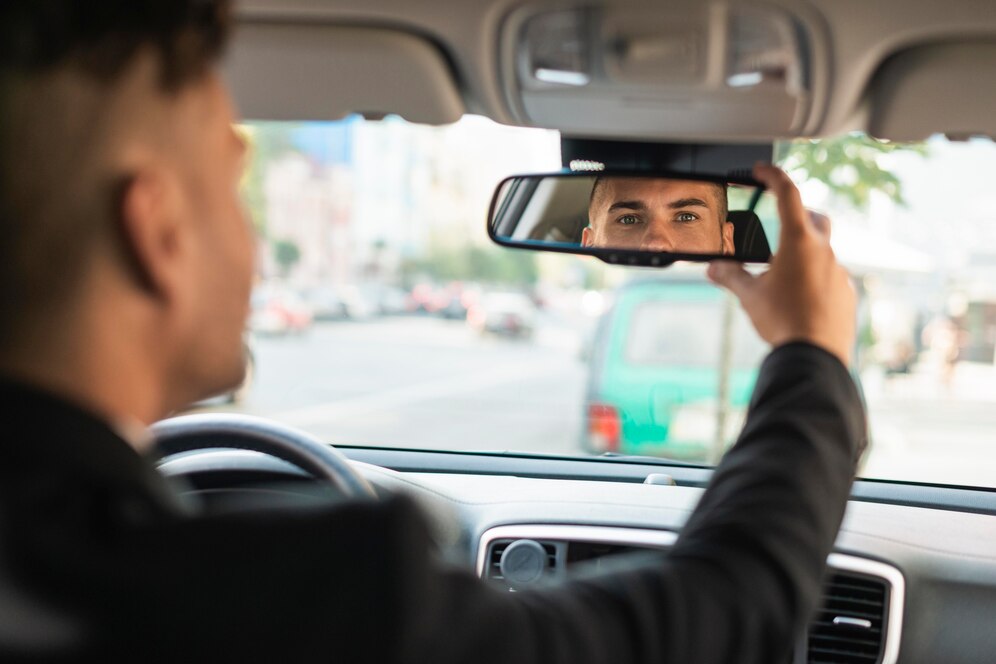
Are you a learner driver striving to improve your awareness of your surroundings while on the road? Mastering mirror use is essential for staying safe and confident behind the wheel. Here are some frequently asked questions about maximizing mirror use, along with techniques to help you stay aware of your surroundings:
1. Why is mirror use important for learner drivers?
Mirror use is crucial for learner drivers because it allows you to monitor the traffic behind and beside your vehicle. Proper mirror use helps you make informed decisions, anticipate potential hazards, and maintain situational awareness while driving.
2. How often should I check my mirrors while driving?
You should check your mirrors regularly, approximately every 5-8 seconds, to stay updated on your surroundings. Additionally, check your mirrors before signaling, changing lanes, turning, or braking to ensure it is safe to proceed.
3. What are the different types of mirrors in a vehicle?
Most vehicles are equipped with three types of mirrors: rearview mirror, side mirrors (also known as wing mirrors), and sometimes, a blind spot mirror. Each serves a specific purpose in providing visibility around your vehicle.
4. How should I adjust my mirrors for maximum effectiveness?
To adjust your mirrors properly, start with the rearview mirror to frame the rear window. Then, adjust the side mirrors so that you can see a small portion of your own vehicle in each mirror's outer edge. This setup minimizes blind spots and maximizes visibility.
5. What are blind spots, and how can I check them?
Blind spots are areas around your vehicle that are not visible in your mirrors. To check your blind spots, briefly turn your head to glance over your shoulder before changing lanes or making a maneuver. This action supplements mirror use and helps ensure no vehicles or obstacles are in your blind spots.
6. How can I use mirrors to anticipate potential hazards?
By regularly scanning your mirrors, you can identify potential hazards such as fast-approaching vehicles, cyclists, or pedestrians. Use your mirrors to assess the speed and distance of surrounding traffic and adjust your driving accordingly to maintain a safe following distance.
7. What should I do if I notice a vehicle approaching quickly from behind?
If you notice a vehicle approaching quickly from behind, signal early and safely move to a lane where you have more space and visibility. Avoid sudden maneuvers and maintain a steady speed to allow the approaching vehicle to pass safely.
8. Are there any advanced techniques for maximizing mirror use?
Advanced techniques for maximizing mirror use include practicing scanning patterns, such as the "SIPDE" (Scan, Identify, Predict, Decide, Execute) method, and utilizing mirrors in combination with other visual cues, such as road signs and pavement markings, to enhance situational awareness.
9. How can No Yelling Driving School help me improve my mirror use skills?
At No Yelling Driving School , we offer comprehensive driver's education programs that include thorough training in mirror use techniques. Our experienced driving instructors provide personalized guidance to help you develop the skills and confidence needed to stay aware of your surroundings on the road.
By following these tips and practicing safe driving habits, you can master mirror use and improve your visibility and awareness on the road. Remember to stay alert, be prepared for unexpected situations, and prioritize safety at all times.


