


Queensland's diverse climate brings with it a unique set of challenges for drivers. From scorching summer heat to torrential rainy seasons and the potential threat of cyclones, navigating the roads of Queensland requires careful consideration and preparation. As trusted providers of driver's education in Queensland, No Yelling Driving School understands the importance of equipping drivers with the knowledge and skills to handle varying weather conditions safely. Join us as we explore the impact of Queensland's climate on driving and essential precautions to take:
1. Summer Heat:
Queensland summers are notorious for their sweltering temperatures, which can pose risks to both drivers and vehicles. High temperatures can cause discomfort, fatigue, and dehydration, impacting driver concentration and reaction times. To mitigate these risks, drivers should:
- Stay hydrated by carrying water and avoiding excessive caffeine consumption.
- Use sun protection, such as sunscreen and sunglasses, to reduce glare and sunburn.
- Ensure their vehicle is properly maintained, with functioning air conditioning and cooling systems.
- Plan journeys to avoid traveling during the hottest parts of the day whenever possible.
2. Rainy Seasons:
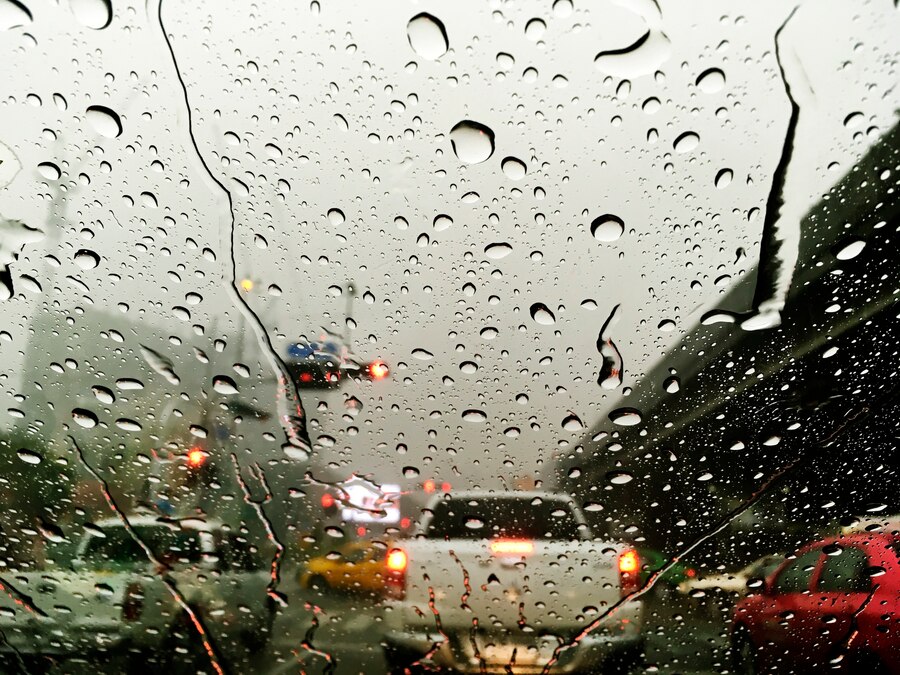
Queensland experiences heavy rainfall and occasional flooding during the rainy seasons, which typically occur from November to March. Wet roads can reduce traction and increase the likelihood of accidents, especially if drivers fail to adjust their driving behavior accordingly. Here's how drivers can stay safe during rainy conditions:
- Slow down and increase following distances to allow for longer stopping distances.
- Turn on headlights to improve visibility and make themselves more visible to other drivers.
- Avoid sudden maneuvers such as sharp turns or abrupt braking, which can cause loss of control on slippery surfaces.
- Be aware of potential hazards such as flash flooding, fallen trees, and debris on the road.
3. Cyclone Precautions:
Cyclones are a recurring threat in Queensland, particularly in the northern regions. While drivers may not be directly impacted by cyclones while on the road, it's essential to take precautions to ensure safety before, during, and after a cyclone event:
- Stay informed about weather warnings and evacuation orders issued by local authorities.
- Plan alternative routes and emergency shelters in case of road closures or evacuation requirements.
- Secure loose objects and debris around homes and properties to prevent them from becoming hazards in high winds.
- Avoid unnecessary travel during cyclone warnings to reduce the risk of accidents and allow emergency services to respond effectively.
By understanding the impact of Queensland's climate on driving and taking appropriate precautions, drivers can better prepare themselves for the challenges they may encounter on the road. At No Yelling Driving School, we're committed to providing comprehensive driver's education that equips learners with the knowledge and skills to drive safely in all conditions. Stay tuned for more tips and insights from our team on navigating Queensland's roads with confidence and caution.


