


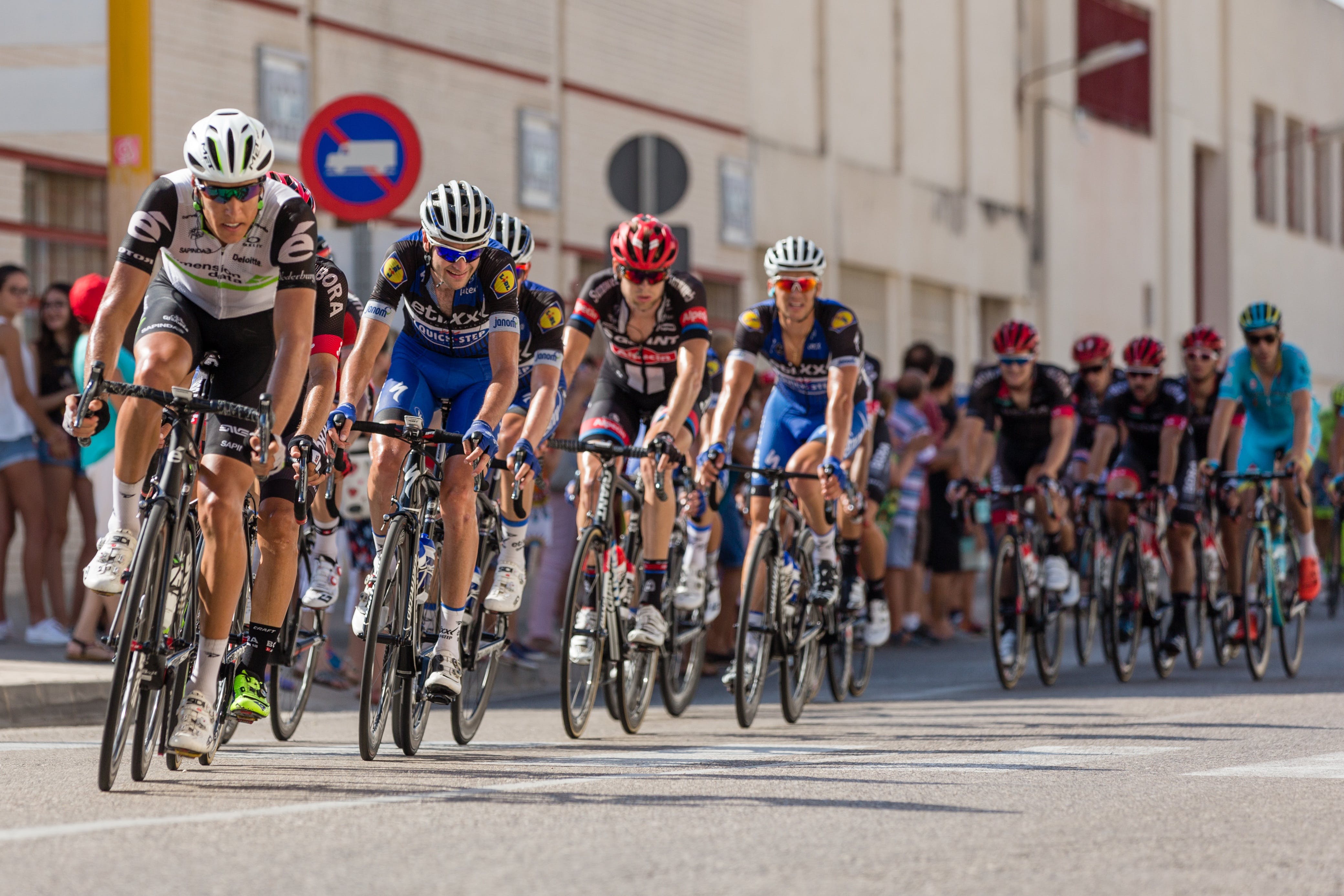
In the vibrant urban landscape of Melbourne, where diverse modes of transportation converge, the role of intersections is pivotal. As the city embraces a culture of cycling, the design of intersections becomes crucial to ensuring the safety and convenience of bikers. In this exploration, we'll delve into the concept of cyclist-friendly cities and the intricate dance of intersections designed with bikers in mind. With a focus on the keyword 'driving school,' we'll uncover how the evolution of cyclist-friendly intersections influences driving schools in Melbourne and prepares learners for a road environment where cyclists are integral participants.
The Rise of Cycling Culture in Melbourne
Melbourne's streets are alive with the hum of bicycles, reflecting a growing cycling culture embraced by residents. To foster this culture, the design of intersections takes centre stage in providing a safe and accessible environment for bikers.
Key Considerations for Cyclist-Friendly Intersections
Dedicated Bike Lanes
Melbourne's commitment to cyclist-friendly intersections includes the incorporation of dedicated bike lanes. These lanes provide a designated space for cyclists, reducing the risk of conflicts with motorized traffic.
Bike Boxes and Advanced Stop Lines
Intersections are equipped with bike boxes and advanced stop lines, allowing cyclists to position themselves at the front of traffic during red lights. This not only enhances cyclist visibility but also provides a head start when the light turns green.
Separate Signal Phases for Bikers
To improve safety, some intersections feature separate signal phases for cyclists. This ensures that bikers have their designated time to navigate the intersection without interference from vehicular traffic.
Cyclist-Friendly Intersection Designs
Intersection designs take into account the unique needs of cyclists, including turning radii that accommodate bicycles, smooth transitions between bike lanes and roadways, and features like bike-specific traffic islands.
Influence on Driving Schools in Melbourne
The transformation towards cyclist-friendly intersections has a direct impact on how driving schools in Melbourne structure their training programs. Let's explore how these schools are adapting to the evolving road environment and preparing learners for a landscape where cyclists are integral road users.
Comprehensive Bike Safety Modules
Recognizing the increasing presence of cyclists on Melbourne's roads, driving schools incorporate comprehensive bike safety modules into their curriculum. Learners are educated about the rights and responsibilities of cyclists, the importance of sharing the road, and strategies for safely interacting with bikers at intersections.
Simulation Training with Biker Interactions
To provide practical experience, driving schools often incorporate simulation training that replicates real-world scenarios involving interactions with cyclists at intersections. Learners navigate simulated intersections where bikers are present, learning to anticipate and respond to the unique dynamics of sharing the road.
Intersection-Specific Biker Awareness
As intersections are key points of interaction between cyclists and motorized traffic, driving schools in Melbourne place a specific emphasis on intersection-specific biker awareness. Learners are educated about the significance of checking for cyclists before turning, understanding bike lanes, and respecting designated bike zones at intersections.
Collaboration with Cycling Advocacy Groups
Some driving schools in Melbourne collaborate with cycling advocacy groups to enhance their bike safety training. This collaboration provides additional resources, insights, and perspectives to ensure that learners are well-prepared to navigate a road environment that prioritizes cyclist-friendly intersections.
FAQs
Q1: How are driving schools in Melbourne adapting to the rise of cycling culture in the city?
A1: Driving schools in Melbourne are adapting by incorporating comprehensive bike safety modules into their curriculum, providing simulation training with biker interactions, emphasizing intersection-specific biker awareness, and collaborating with cycling advocacy groups for additional insights.
Q2: What does intersection-specific biker awareness entail in driving school training?
A2: Intersection-specific biker awareness in driving school training involves educating learners about the significance of checking for cyclists before turning, understanding bike lanes, and respecting designated bike zones at intersections.
Q3: How do driving schools simulate interactions with cyclists at intersections in their training programs?
A3: Many driving schools in Melbourne incorporate simulation training that replicates real-world scenarios involving interactions with cyclists at intersections. Learners navigate simulated intersections where bikers are present, learning to anticipate and respond to the unique dynamics of sharing the road.
Q4: Are driving schools in Melbourne collaborating with cycling advocacy groups for bike safety training?
A4: Yes, some driving schools in Melbourne collaborate with cycling advocacy groups to enhance their bike safety training. This collaboration provides additional resources, insights, and perspectives to ensure that learners are well-prepared to navigate a road environment that prioritizes cyclist-friendly intersections.
Q5: How does the incorporation of dedicated bike lanes influence driving school training in Melbourne?
A5: The incorporation of dedicated bike lanes influences driving school training by necessitating the inclusion of modules that educate learners about the rights and responsibilities of cyclists, the importance of sharing the road, and strategies for safely interacting with bikers at intersections.
Conclusion
As Melbourne pedals towards a future that embraces cycling as a sustainable and vibrant mode of transportation, the design of cyclist-friendly intersections becomes a cornerstone of road safety. Driving schools in the city play a crucial role in shaping the attitudes and skills of learners, preparing them for an environment where cyclists are integral road users. As you embark on your journey to become a responsible and skilled driver in Melbourne, the insights gained from a comprehensive driving school education will not only equip you to navigate cyclist-friendly intersections but also contribute to the overall harmony of Melbourne's diverse and dynamic roadways.


