


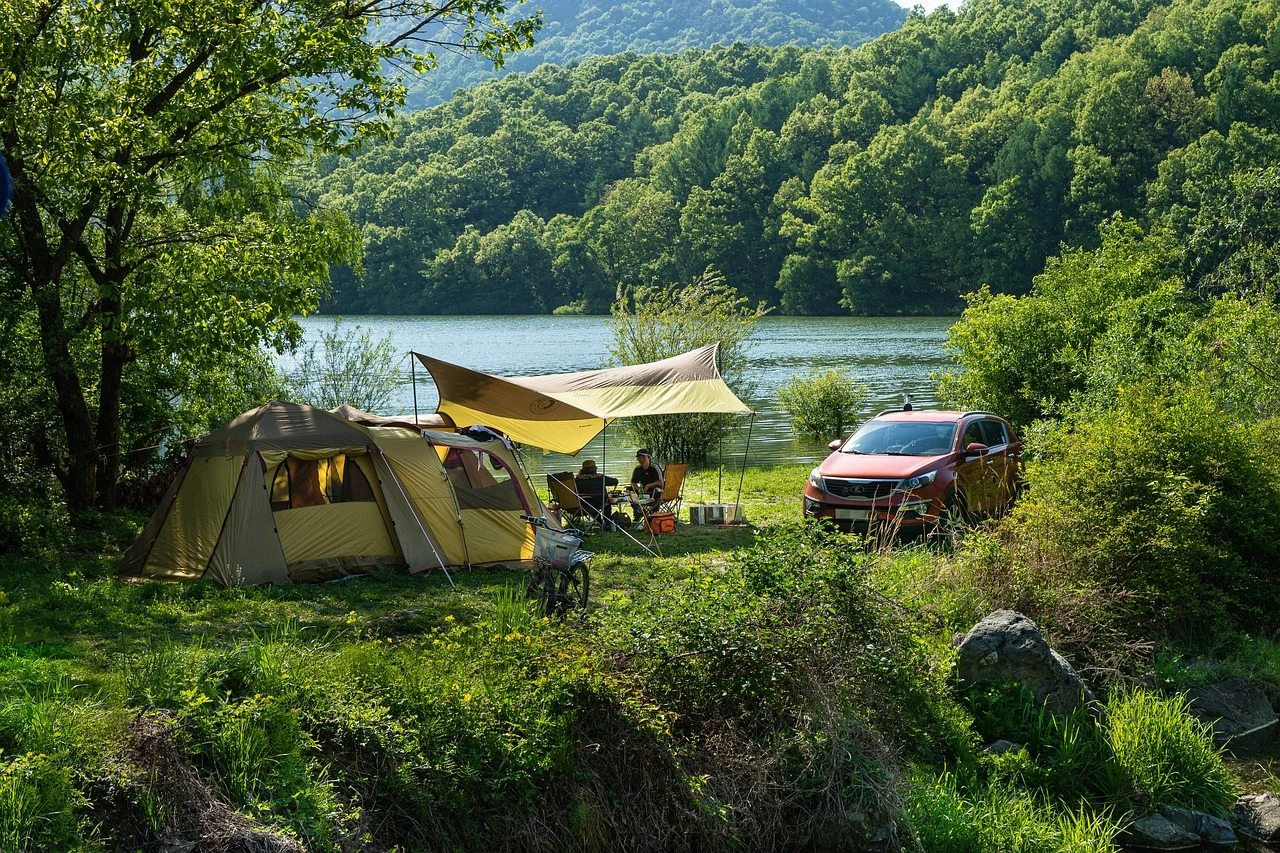
Car camping is a fun and flexible way to explore Australia. Whether you’re heading to the Sunshine Coast, the Hinterland, or down to Byron Bay, sleeping in your car can be an affordable and simple way to travel. But to stay safe and comfortable, you’ll need to pack the right gear.
If you're still gaining experience through driving lessons or just got your licence, short car camping trips near Brisbane are a great way to ease into road travel. With the right tools, you can enjoy a peaceful night under the stars—without the stress.
Choose the Right Sleeping Setup
Comfort is key when it comes to car camping. You have two main options: sleep inside your car or set up a tent next to it.
For inside-the-car sleeping, fold down the back seats and lay down a foam mattress or thick camping mat. If you're tall, consider sleeping with your feet toward the boot for more room. Bring a good sleeping bag or layered blankets, depending on the season.
A window shade or curtain system gives you privacy and helps block light in the morning. Some campers use magnetic covers, others clip fabric to the roof handles.
Keep It Safe and Legal
Not all places allow overnight parking or camping. Check signs and use apps like WikiCamps or CamperMate to find legal spots. Rest stops, some national parks, and designated campgrounds are your best bet.
If you're still learning the rules of the road during your driving lessons Brisbane, understanding parking signs and local laws is part of the process. At No Yelling Driving School, students are taught how to read road signs clearly—including those that affect campers.
Also, always park on flat ground and use your handbrake. Avoid sleeping with the engine running, and crack the windows slightly for airflow (use fly screens to keep bugs out).
Pack Smart: Essentials to Bring
To make your trip comfortable, here are a few must-haves:
- Lighting: Battery-powered lanterns or headlamps make it easy to move around at night.
- Power bank or inverter: Charge your phone, camera, or other small devices.
- Cooler or fridge: Keep drinks and snacks fresh. If your car has a 12V socket, you can plug in a small fridge.
- Cooking gear: A simple camp stove, pot, utensils, and biodegradable soap.
- Water storage: At least 5-10 litres, depending on your location.
- Folding table and chairs: Makes meals more enjoyable and keeps you off the ground.
- Toiletries and wipes: Some rest stops don’t have full facilities.
- Rubbish bags: Leave no trace—always clean up after yourself.
These items don’t just improve comfort—they also help you stay organised and reduce stress, something new drivers may still be learning to manage.
Stay Organised and Minimal
Too much gear can turn your car into a cluttered mess. Store items in stackable bins or soft bags. Keep often-used items near the front. Try packing in stages and testing layouts before the trip.
When you’re just learning to drive or taking lessons from No Yelling Driving School, staying focused behind the wheel is easier when your space is tidy. That goes for your driving space and your car’s backseat.
Weather Matters
Queensland’s weather can be unpredictable. Bring both hot- and cold-weather gear, including rain protection. Ventilation is also important—use window screens or breathable fabric to stop condensation.
If you’re heading out during stormy seasons, keep an eye on road conditions. And if you’re unsure how to drive in wet weather, ask your instructor to cover this during your driving school sessions.


