


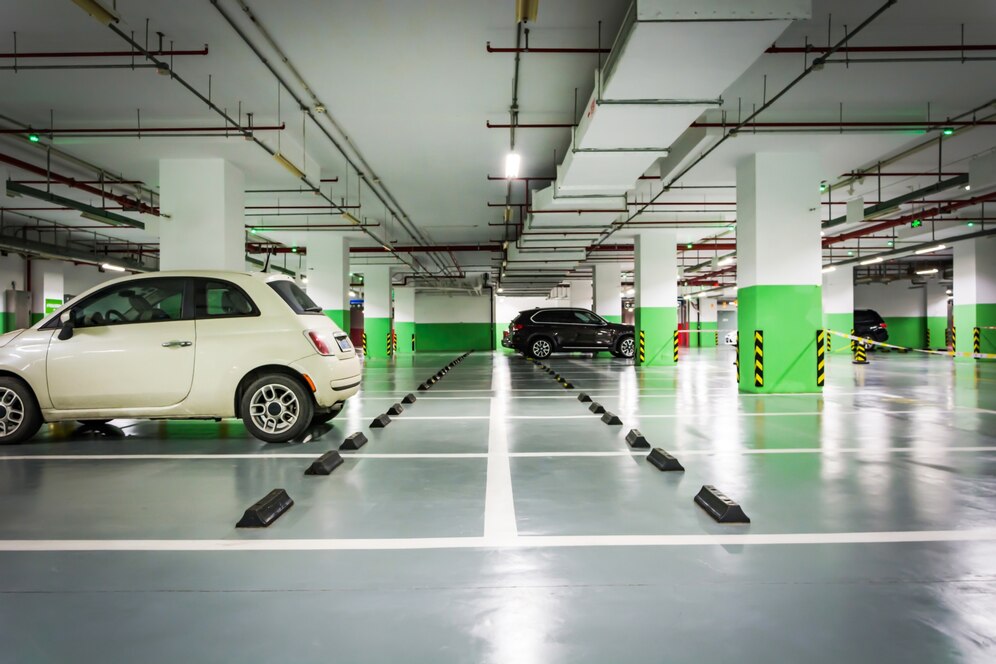
Any new driver must learn how to park, even if it can seem like one of the most difficult driving skills . It takes time, patience, and some helpful advice to become proficient at parking, whether it's parallel, angled, or reverse. We'll go over important parking advice in this article to help novice drivers develop their confidence and driving skills.
1. Start with Straight Parking
Before diving into more complex parking maneuvers, it’s a good idea to start with straight parking. This is often found in parking lots where you can pull directly into a space. As a learner, focus on getting your car aligned within the lines of the parking bay. Here’s how you can approach it:
- Line Up: Make sure your car is centered with the space before turning the steering wheel.
- Check Mirrors: Use your side mirrors to ensure you're parallel to the lines.
- Go Slow: Don’t rush into the space. Take your time to make adjustments.
2. Perfecting Parallel Parking
Parallel parking can be intimidating, but with practice, it becomes second nature. Here’s a step-by-step approach to help you:
- Position Your Car: Pull up alongside the car in front of the parking space, leaving about one meter between the two vehicles.
- Reverse Slowly: Start reversing slowly, and once your back wheels align with the other car’s back bumper, turn the steering wheel toward the curb.
- Straighten Up: Once your car is halfway into the space, turn the wheel the other way to straighten out and slide into the space. Use your side mirrors to ensure you're not too close to the curb or the car behind.
- Adjust: If needed, make small adjustments to ensure your car is evenly parked between both vehicles.
3. Angle Parking
Angle parking is common in car parks and can be a bit simpler for learners . Here’s how to do it:
- Approach the Space: Slow down and approach the space at the correct angle, typically around 45 degrees.
- Turn the Wheel Early: Start turning your steering wheel before reaching the space, so the car is already angled when you pull in.
- Check Your Position: As you enter the space, use your mirrors to make sure you are centered and not too close to the cars on either side.
- Adjust if Needed: If you're not perfectly aligned, don’t hesitate to reverse and make small adjustments.
4. Reverse Parking (Backing Into a Space)
Reverse parking can offer more control and visibility when leaving a space, and it’s an essential skill to master for tight parking areas. Here are some tips:
- Find Your Angle: Begin by driving past the space slightly, then position your car so it’s aligned to reverse in at a slight angle.
- Check Your Mirrors: Use your side and rear-view mirrors to guide you as you reverse into the space.
- Steer Slowly: Turn your steering wheel in the direction of the space as you reverse. Keep your movements slow and controlled to make any necessary adjustments.
- Straighten Up: Once the car is in the space, straighten the wheel to park centrally within the bay.
5. Practice in Quiet Areas First
When you’re first learning to park, it’s important to practice in low-traffic areas. Empty car parks are great for this, as you’ll have the space and time to practice without the pressure of other vehicles around. This allows you to build confidence before attempting parking in busier environments.
6. Use Reference Points
One of the easiest ways to improve your parking is by using reference points. These could be:
- Landmarks: Look for objects like trees, signs, or even markings on the road to guide you.
- Car Parts: Use the positioning of your car’s hood or side mirrors as markers when turning into a parking space.
Learning these reference points will help you gauge when to turn the wheel and how far you need to go.
7. Don’t Forget to Check Your Blind Spots
It’s easy to focus only on the mirrors when parking, but don’t forget to check your blind spots. This ensures that you don’t miss any cyclists, pedestrians, or other vehicles that could be nearby.
- Always check over your shoulder when reversing.
- Use your mirrors to see what's directly behind and around your vehicle.
8. Adjusting for Different Parking Situations
Each parking scenario can present different challenges, from tight parking spaces to uneven surfaces. Be adaptable:
- Tight Spaces: In tighter spaces, go even slower to make more precise adjustments.
- Sloped Areas: When parking on a slope, especially uphill, turn your wheels towards the curb and use your handbrake to keep the car secure.
9. Practicing in Real-World Scenarios
Practice in actual parking situations after you've mastered it in calmer settings. This includes parking on crowded streets or in retail malls where spots are scarce. You'll improve your parking skills by progressively exposing yourself to these more challenging scenarios.


