


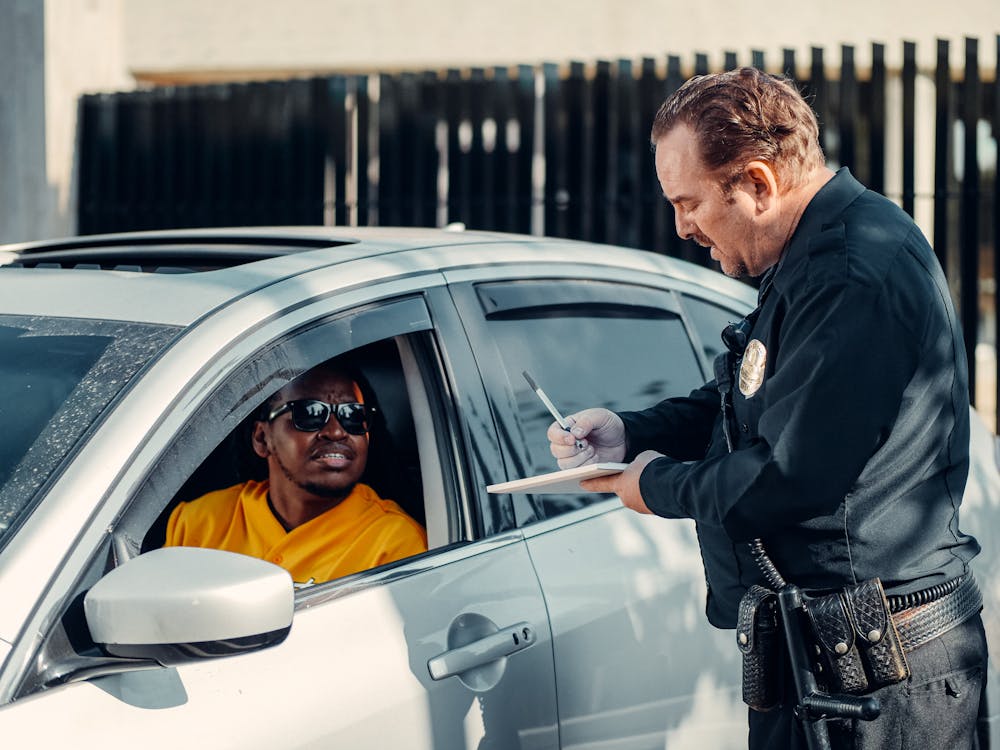
For inexperienced drivers in particular, being pulled over by a police officer can be a frightening experience. Our goal at No Yelling Driving School is to deliver excellent driving instruction with an emphasis on enjoyment and self-assurance. A crucial component of being a responsible driver is understanding what to do if you are pulled over by the police. We'll go over what to do if you notice flashing lights in your rearview mirror in this blog post.
Stay Calm and Pull Over Safely
The first step is to remain calm. Take a deep breath and keep your emotions in check. Look for a safe place to pull over, such as the shoulder of the road, a nearby parking lot, or a side street. Use your turn signal to indicate your intention to pull over, and slow down gradually.
Keep Your Hands Visible
Once you have stopped, keep your hands visible on the steering wheel. This helps reassure the officer that you are not a threat. If it’s dark outside, turn on your interior light so the officer can see inside your vehicle.
Wait for Instructions
Stay in your car and wait for the officer to approach. Avoid making any sudden movements or reaching for anything in the car until the officer asks for your documents. If you need to retrieve something, such as your driver’s license or registration, inform the officer of your intentions before doing so.
Be Polite and Cooperative
When the officer speaks to you, be polite and cooperative. Answer their questions honestly and respectfully. Avoid arguing or being confrontational, as this can escalate the situation. Remember, the officer is doing their job to ensure road safety.
Provide Required Documents
The officer will likely ask for your driver’s license, vehicle registration, and proof of insurance. Have these documents ready to hand over. If they are stored in your glove compartment or another part of the car, let the officer know before reaching for them.
Understand the Reason for the Stop
Listen carefully to the officer’s explanation of why you were pulled over. If you don’t understand or need clarification, politely ask the officer to explain further. This information is important if you need to address the situation later.
Accept the Outcome
If the officer issues you a ticket, accept it calmly. Signing the ticket is not an admission of guilt; it simply acknowledges that you received it. You will have the opportunity to contest the ticket in court if you believe it was issued in error.
Know Your Rights
While it’s important to be cooperative, you also have rights during a traffic stop:
- You have the right to remain silent: You don’t have to answer questions about your destination or activities.
- You have the right to refuse a vehicle search: Unless the officer has probable cause or a warrant, you can refuse a search of your vehicle.
- You have the right to ask for identification: If you are unsure if the person pulling you over is a legitimate officer, you can ask to see their identification.


