


Navigating traffic can sometimes feel like a complex dance, with drivers, cyclists, and pedestrians all vying for their rightful place on the road. Understanding right of way rules is crucial for maintaining safety and preventing accidents. At No Yelling Driving School, we prioritize road safety education, so let's dive into a comprehensive guide to right of way for all road users:
1. Right of Way Basics
Right of way refers to the legal right of one road user to proceed ahead of others in a specific situation. It's important to remember that right of way is not a privilege but a responsibility. As a driver, cyclist, or pedestrian, it's your duty to yield the right of way when necessary to prevent collisions and ensure the safety of everyone on the road.
2. General Right of Way Rules
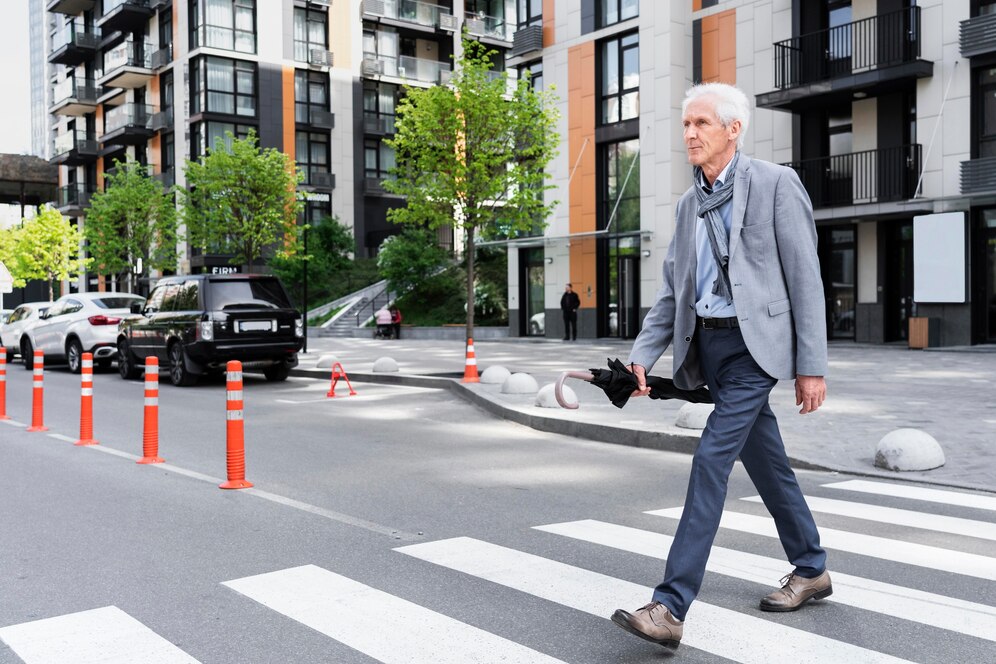
In most situations, drivers must yield to pedestrians in crosswalks and at intersections, even if there are no traffic signals or signs present. Cyclists, on the other hand, must follow the same rules as drivers when it comes to right of way at intersections and must yield to pedestrians in shared spaces such as sidewalks. Pedestrians have the right of way at marked crosswalks and intersections, but they must also exercise caution and look out for oncoming traffic before crossing.
3. Right of Way at Intersections
Intersections are common sites for right of way conflicts. When approaching an intersection, always yield to vehicles already in the intersection or those approaching from the right if you arrive simultaneously. In the absence of traffic signals, the vehicle on the right has the right of way. Remember to use turn signals to indicate your intentions and communicate with other road users.
4. Special Cases
Certain situations require special attention when it comes to right of way. For example, emergency vehicles with lights and sirens activated have the right of way and should be given clear passage. Additionally, when approaching a yield sign, drivers must slow down and yield to oncoming traffic before proceeding. It's essential to be aware of these special cases and adjust your behavior accordingly to ensure the safety of all road users.
5. Communication and Courtesy
Effective communication and courtesy are essential for navigating right of way situations smoothly. Use hand signals, eye contact, and verbal cues to communicate your intentions with other road users. Be patient and respectful, and always give others the benefit of the doubt. Remember, a little courtesy goes a long way in promoting harmony on the road.
Understanding right of way rules is essential for all road users to navigate traffic safely and efficiently. By familiarizing yourself with these rules and practicing courtesy and communication, you can help prevent accidents and ensure the safety of yourself and others on the road. At No Yelling Driving School, we're committed to promoting road safety education and empowering drivers, cyclists, and pedestrians to share the road responsibly.
So, whether you're behind the wheel, on two wheels, or on foot, remember to always respect the right of way and prioritize safety above all else.


