


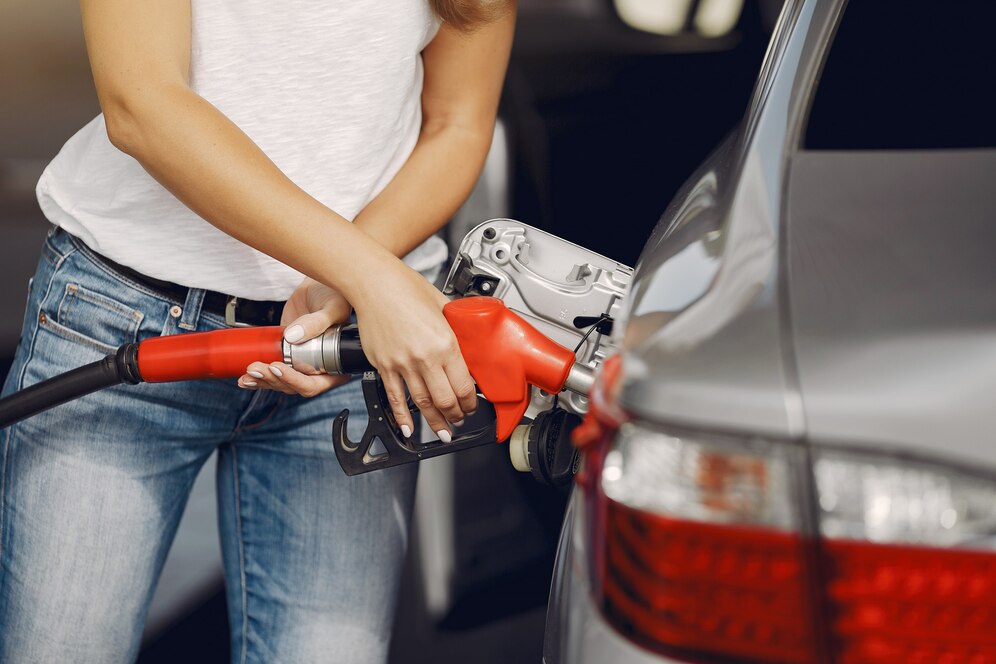
As a learner driver in Queensland, learning to maximize fuel efficiency is not only environmentally friendly but also saves you money in the long run. By adopting some simple driving habits, you can reduce your fuel consumption and minimize your carbon footprint. Here are some practical tips for efficient fuel consumption:
Maintain Proper Tire Pressure:
Ensure that your tires are properly inflated according to the manufacturer's recommendations. Under-inflated tires increase rolling resistance, causing your car to consume more fuel. Regularly check your tire pressure and inflate them to the correct level to optimize fuel efficiency.
Drive Smoothly and Avoid Aggressive Acceleration:
Avoid sudden stops and starts by driving smoothly and maintaining a consistent speed. Aggressive acceleration and braking not only waste fuel but also increase wear and tear on your vehicle. Gradually accelerate and decelerate to conserve fuel and prolong the life of your engine.
Use Cruise Control on Highways:
When driving on highways or open roads, consider using cruise control to maintain a steady speed. Cruise control helps prevent unnecessary fluctuations in speed, which can lead to increased fuel consumption. However, use cruise control wisely and deactivate it in hilly or congested areas where it may not be suitable.
Reduce Aerodynamic Drag:
Keep your car aerodynamic by closing windows at high speeds and removing roof racks or carriers when not in use. Aerodynamic drag increases fuel consumption, especially at higher speeds. By minimizing drag, you can improve fuel efficiency and reduce the workload on your engine.
Plan Your Trips Wisely:
Combine multiple errands into one trip to minimize unnecessary driving. Plan your routes in advance to avoid traffic congestion and inefficient detours. By reducing the number of miles you drive, you can conserve fuel and save time.
Turn Off Engine When Idling:
Avoid unnecessary idling by turning off your engine when parked or waiting for an extended period. Idling wastes fuel and emits harmful pollutants into the atmosphere. If you anticipate being stationary for more than a minute, switch off your engine to conserve fuel and reduce emissions.
Keep Your Vehicle Well-Maintained:
Regular maintenance is essential for optimal fuel efficiency. Ensure that your engine is properly tuned, your air filters are clean, and your fuel system is free from clogs or leaks. A well-maintained vehicle operates more efficiently and consumes less fuel.
Consider Eco-Friendly Driving Techniques:
Explore eco-friendly driving techniques such as coasting to a stop, where you gradually reduce speed without using the brakes excessively. Additionally, anticipate traffic flow and plan your maneuvers accordingly to minimize fuel consumption.
As a learner driver, it is best to get driving lessons from a reputable school like No Yelling Driving School. Their experienced instructors can provide proper guidance for your to become a confident and safe driver. By incorporating these fuel-saving tips into your driving routine, you can become a more eco-conscious and cost-effective driver. Remember that small changes in driving habits can lead to significant savings in fuel expenses and contribute to a cleaner environment for future generations.


