


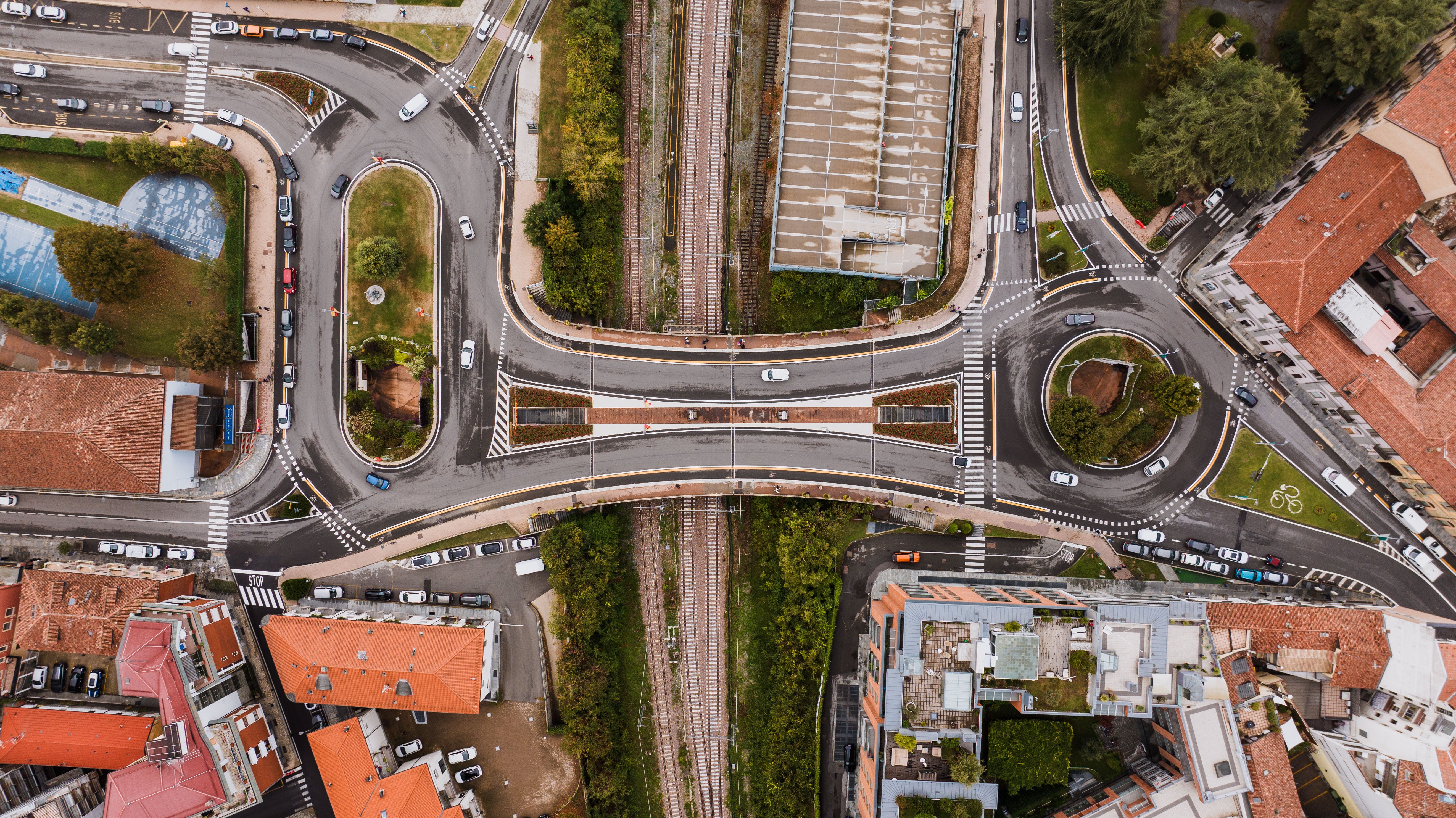
Roundabouts have become a staple of modern traffic management, and Ipswich, with its well-designed circular intersections, is no exception. In this deep dive, we explore the safety and efficiency aspects of roundabouts, shedding light on why they are preferred over traditional intersections. Specifically tailored to Ipswich, we'll also examine how the understanding of roundabout dynamics influences driving schools in the area, emphasizing the importance of incorporating this knowledge into driver education.
The Safety Advantage of Roundabouts
Reduced Conflict Points
Roundabouts significantly reduce conflict points compared to traditional intersections. With no perpendicular traffic crossing paths, the likelihood of high-speed, T-bone collisions is minimized.
Lower Severity of Accidents
In the rare event of a collision within a roundabout, the lower speeds maintained by vehicles generally result in less severe accidents. This is a crucial factor in ensuring the safety of all road users.
Improved Pedestrian Safety
Roundabouts often feature crosswalks and pedestrian islands, enhancing safety for those on foot. The design encourages drivers to yield to pedestrians at clearly marked crossings.
Enhanced Visibility
The circular layout of roundabouts provides better visibility for drivers approaching the intersection. This increased line of sight reduces the likelihood of blind spots, contributing to overall safety.
The Efficiency of Roundabouts
Continuous Traffic Flow
Unlike traditional stop-sign or signal-controlled intersections, roundabouts promote continuous traffic flow. Vehicles merge into the circulating flow, minimizing stops and starts, which leads to smoother traffic movement.
Reduced Congestion and Delay
Roundabouts help reduce congestion by preventing traffic from backing up. The constant flow of vehicles ensures efficient use of road capacity, minimizing delays for all drivers.
Improved Fuel Efficiency
With less stop-and-go traffic, roundabouts contribute to improved fuel efficiency and reduced carbon emissions. This is not only beneficial for drivers but also aligns with environmental sustainability goals.
Capacity for Future Growth
Roundabouts are designed to accommodate increasing traffic volumes. This scalability makes them a suitable choice for growing communities like Ipswich, where urban development is on the rise.
Roundabouts in Ipswich: A Driving School Perspective
Integration into Driving Curriculum
Ipswich driving schools recognize the prevalence of roundabouts in the town and integrate comprehensive roundabout navigation into their training programs. This ensures that new drivers are well-prepared to navigate these circular intersections confidently.
Hands-on Training in Ipswich's Roundabouts
Driving instructors in Ipswich often provide hands-on training in the town's various roundabouts. This practical experience allows learners to apply theoretical knowledge and gain confidence in navigating these intersections.
Emphasizing Safety Protocols
Ipswich driving schools prioritize teaching safety protocols associated with roundabouts, including proper signalling, yielding to pedestrians, and understanding the right-of-way rules. These lessons contribute to creating safer drivers on Ipswich roads.
FAQs
Q1: Are roundabouts confusing for learner drivers in Ipswich?
A: While roundabouts may initially seem daunting, driving schools in Ipswich are equipped to provide comprehensive training, ensuring learners understand the rules and gain confidence in navigating these intersections.
Q2: Are there specific roundabout rules for Ipswich drivers?
A: Ipswich drivers are expected to follow the standard roundabout rules. However, driving schools in the area may provide additional guidance tailored to local traffic patterns and preferences.
Q3: How do roundabouts contribute to the efficiency of Ipswich's traffic flow?
A: Roundabouts in Ipswich facilitate continuous traffic flow, reducing congestion and delays. This efficiency is particularly crucial in managing the growing traffic volumes in the town.
Q4: Do roundabouts impact fuel efficiency in Ipswich?
A: Yes, roundabouts contribute to improved fuel efficiency in Ipswich by minimizing stop-and-go traffic, benefiting both drivers and the environment.
Conclusion
The deep dive into the safety and efficiency of roundabouts in Ipswich reveals their significant advantages over traditional intersections. As integral elements of the town's traffic infrastructure, roundabouts play a crucial role in shaping the driving experience for Ipswich residents. Driving schools in the area recognize the importance of imparting comprehensive roundabout navigation skills to learners, ensuring that they not only understand the rules but also appreciate the safety and efficiency benefits associated with these circular intersections. In embracing the deep dive into roundabouts, Ipswich continues to foster a culture of safe and efficient driving for its residents.


